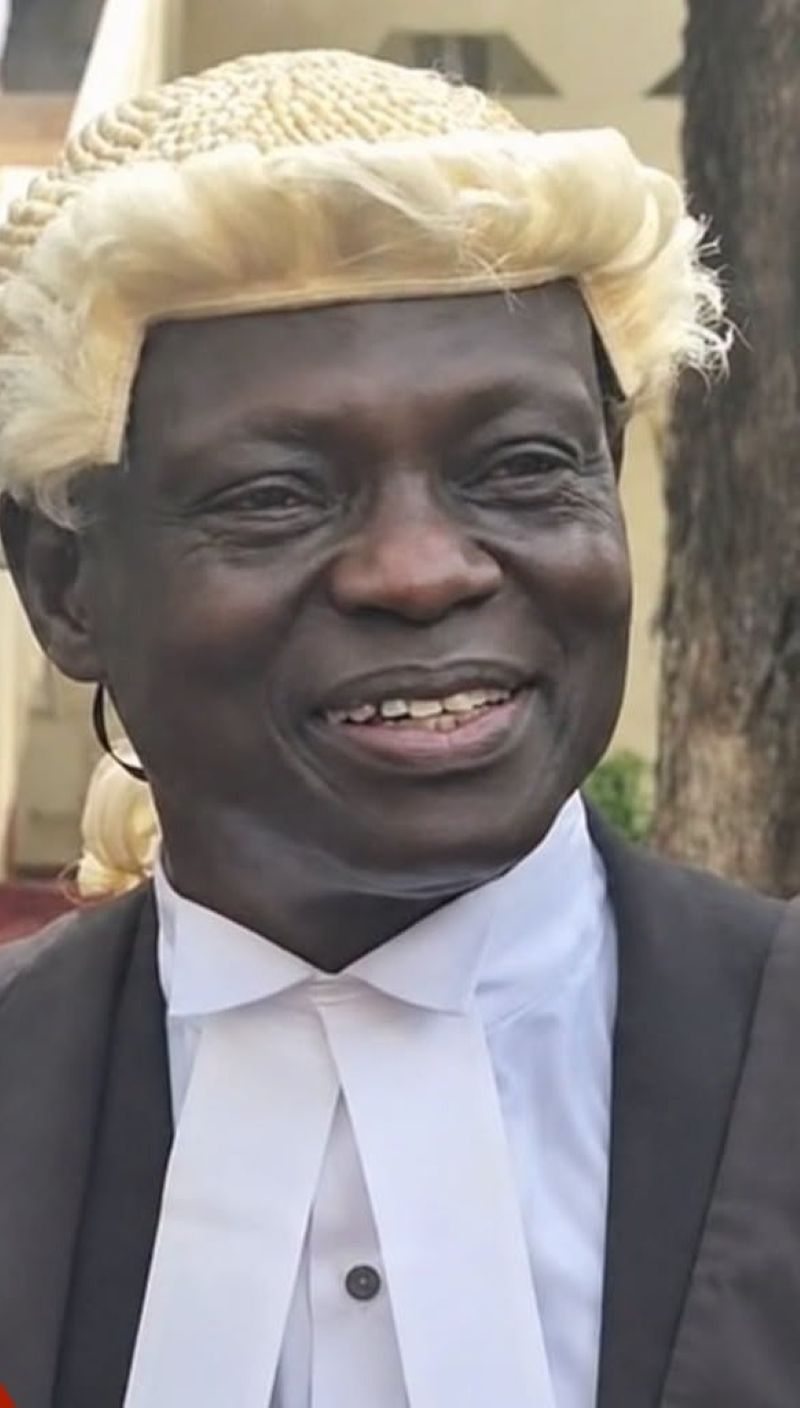
Senior Counsel L.J. Darboe has described as “unfortunate” the financial burden placed on Gambian taxpayers following the Supreme Court’s landmark judgment in favour of former Auditor General Modou Ceesay.
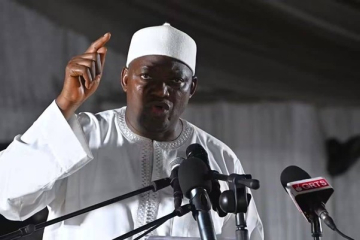
Speaking to journalists at the court premises after the ruling, Darboe welcomed the decision, calling it an important affirmation that constitutionally protected public officers cannot be removed simply because the President disagrees with them.
“The President cannot remove constitutionally protected officers because he disagrees with them,” Darboe said. He rejected claims that Ceesay had resigned voluntarily, insisting instead that he was “forcefully removed” from office.
“We know what happened. Why would you send the police to an office to remove the office holder if he had resigned? We reject the position that he resigned, and the court has rejected that as well,” he added.
Commenting on the Supreme Court’s award of damages, including D4 million against the Inspector General of Police, Darboe acknowledged the amount was substantial but argued it was insufficient given the circumstances.
“I believe D4 million is a substantial amount of money, but on the particular facts of this case, it is not enough,” he said.
Darboe stressed that although the damages were awarded against the IGP and the government, the financial cost would ultimately fall on the public. “The IGP is not going to pay. The police are not going to pay. It’s going to come from the National Treasury, from the Consolidated Fund. So, it’s unfortunate that we, the country, are paying so much money for the unfortunate actions of senior people within the Government of The Gambia,” he said.
He further noted that the Inspector General of Police should understand that his office is not held for the President but for the law.
Addressing comparisons with the case of Ya Kumba Jaiteh, who was reinstated after a court ruling, Darboe explained that the circumstances were different. Jaiteh served within the National Assembly, a separate arm of government, whereas reinstating the Auditor General would be problematic because the office operates within the executive branch and requires close interaction with ministries and the Presidency.
“We understand the dilemma. The Supreme Court can make that order, but it would be to the detriment of the country. That is my opinion. I knew from the onset that reinstating him would be problematic,” Darboe concluded.