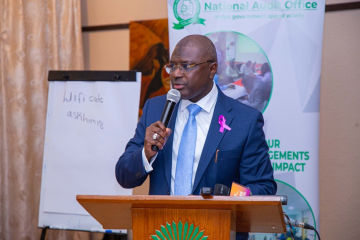
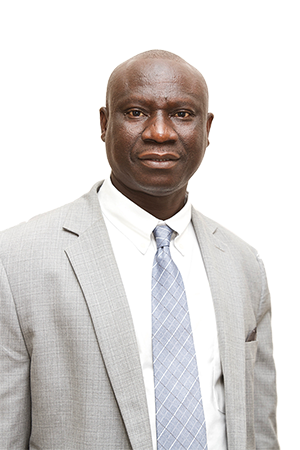
Central Bank of The Gambia Governor Buah Saidy disclosed this at the bank in Banjul while reading the statement of the Monetary Policy Committee (MPC) on the country’s economic situation.
According to Governor Saidy, government’s domestic debt increased from D51.99 billion at the end of 2025 to D55.43 billion by the end of June 2026. The new figure represents 24.4 per cent of the country’s GDP.
He said the increase was mainly due to the government issuing more securities to raise money.
Governor Saidy also said more than half of the government’s domestic debt is now made up of short-term borrowing. He said short-term instruments accounted for 56.2 per cent of the debt at the end of June, up from 53.8 per cent at the end of 2025.
“This suggests continued refinancing and rollover risks,” Governor Saidy said, pointing to the challenge of having to repay or replace these short-term debts.
On interest rates, Governor Saidy said money market rates remained generally stable during the first half of 2026, although rates changed depending on how long the money was borrowed.
He said the rate on 91-day Treasury bills fell from 6.2 per cent in the previous quarter to 4.0 per cent in June 2026. However, the rate on 182-day Treasury bills increased from 6.5 per cent to 7.1 per cent, while the 364-day rate rose from 11.8 per cent to 14.8 per cent.
Governor Saidy said the cost of short-term borrowing between banks also increased, with the average rate rising to 6.8 per cent in the first half of 2026 from 5.6 per cent during the same period in 2025.
Meanwhile, money supply growth slowed sharply, falling from 25.1 per cent in March to 11.4 per cent in June.
Governor Saidy said lending to private businesses and individuals increased by 41.3 per cent compared to a year earlier, although part of the increase was linked to improvements in how banks record and report their financial information.
The banking sector remained “stable and resilient”, with total industry assets reaching D31.7 billion and customer deposits rising to D86.6 billion by June 2026, he stated.