The newly registered Unite Party has declared its full commitment to an opposition coalition ahead of the 2026 elections, but insists that the coalition’s presidential candidate must be chosen by Gambians rather than political parties alone.
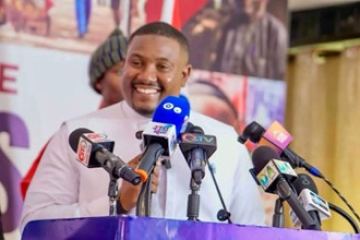
Speaking on Coffee Time with Peter Gomez, party spokesperson Kemo Bojang said Unite remains open to joining forces with other opposition groups, stressing that public demand for unity cannot be ignored.
“We have always said Unite will be the next government or be part of the next government,” Bojang stated. “We are open to working with other opposition parties because Gambian people have said they want a coalition.”
According to him, Unite has already participated in several coalition discussions and has encouraged opposition groups to unite under one platform. While compromise is necessary, he argued that the process of selecting a flagbearer should not repeat the 2016 model, which he believes created mistrust among coalition partners.
“We are building a coalition for the Gambian people, not just for political parties. We need to go back to the people and ask them who they want to lead the coalition,” he said.
Bojang proposed that a credible institution such as CEPRASS conduct a nationwide survey to identify the coalition’s preferred candidate before parties agree on the final choice.
Beyond coalition talks, Bojang described Unite’s recent registration by the Independent Electoral Commission as a milestone that has given the party legitimacy and credibility. He said Unite has built nationwide structures and drawn strong support from young Gambians by focusing on issues affecting their future.
The party’s upcoming manifesto, developed through consultations with communities and Gambians in the diaspora, will prioritise human development, economic integrity and governance. Key areas include agriculture, education, food security, employment and migration.
Bojang blamed the rising cost of living on the country’s dependence on imports, calling for greater investment in agriculture to create jobs, improve food security and reduce poverty. He also criticised the government’s handling of the economy, security and development planning, insisting that political parties should be judged by the promises they have fulfilled rather than new pledges made during election campaigns.