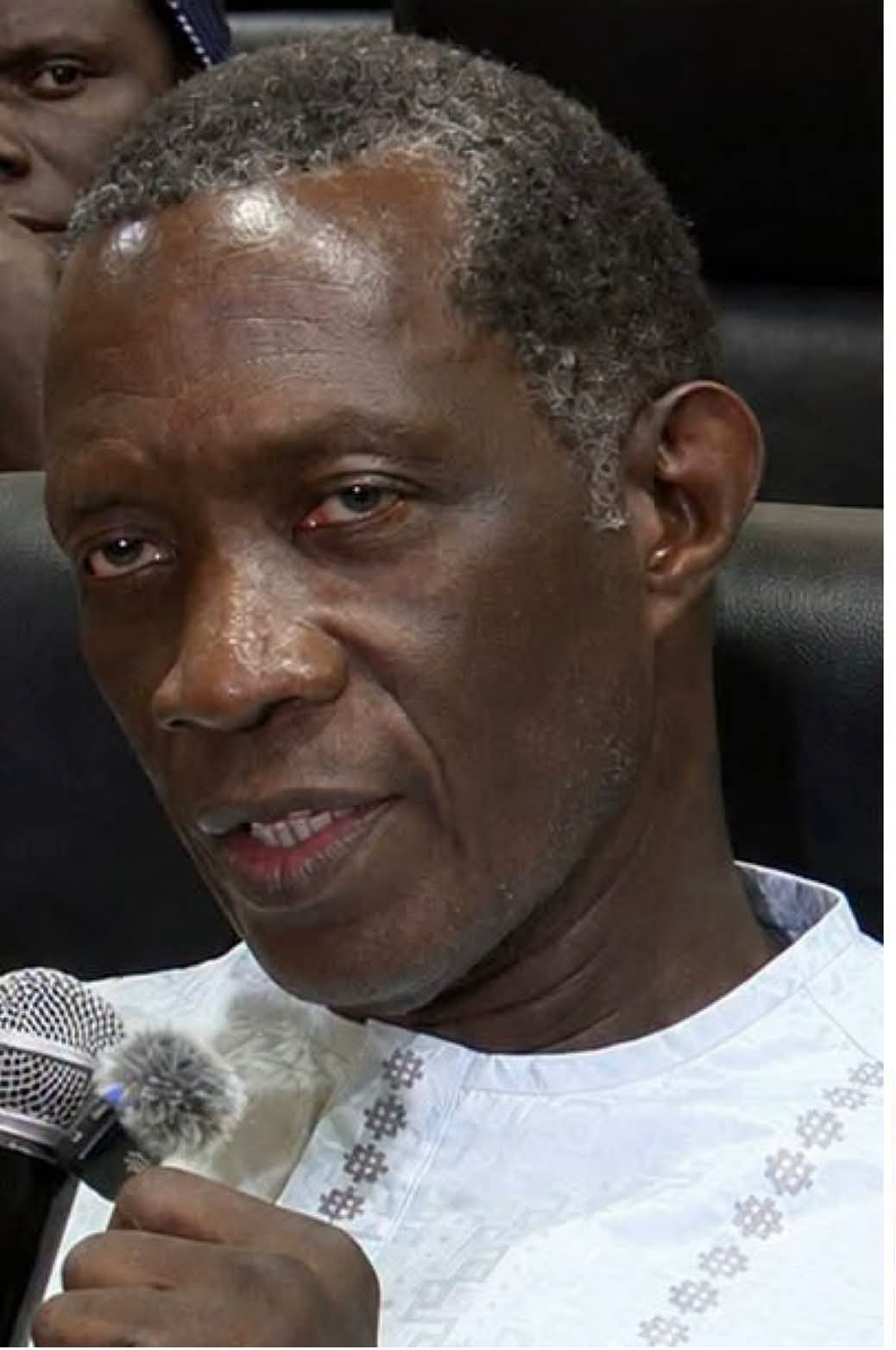
Dr. Lamin Manneh, the UDP’s Deputy Administrative Secretary for External Affairs, voiced these concerns during an interview on Coffee Time with Peter Gomez on West Coast Radio. His remarks have reignited debate about fairness, transparency, and the role of state-owned facilities in political life.
Manneh recounted how the UDP was repeatedly denied use of the Sir Dawda Kairaba Jawara International Conference Centre for major events, including its 30th anniversary celebration, a strategic retreat, and a signing ceremony. Despite offering to pay commercial fees, the party was told political activities were not permitted or that repair works were underway.
Yet, Manneh noted, the NPP has held events at the same venue, including its manifesto launch. “This inconsistency raises serious questions about the management of a facility that was meant to generate revenue and serve all Gambians,” he argued.
The UDP’s frustration extends to the Gambia Radio and Television Services (GRTS). Manneh accused the broadcaster of denying the party airtime and failing to cover its activities, even when formally invited. He alleged that a senior manager at GRTS had once remarked that “dissenting opinions are not allowed on the station.”
For Manneh, such a stance undermines the very essence of democracy. “A publicly funded broadcaster should reflect the diversity of voices in our society, not silence them,” he said.
The claims highlight a broader issue: how state institutions in The Gambia navigate their responsibilities in a multiparty democracy. Critics argue that selective access to venues and media coverage risks entrenching ruling party dominance, while supporters of the current approach may see it as necessary to maintain order.
As political parties prepare for future contests, the debate over equal access to public platforms is likely to intensify. For the UDP, the matter is not just about logistics it is about the credibility of democratic governance.