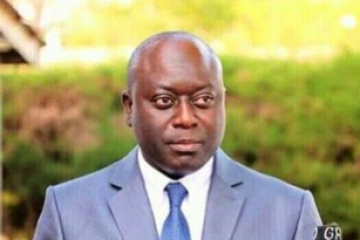
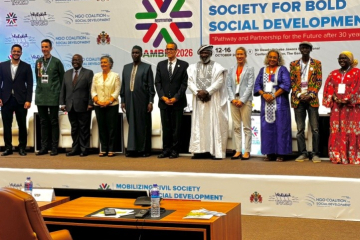
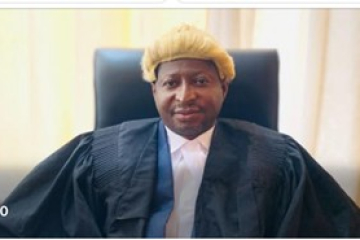
Faal made the allegation during his first appearance on Coffee Time since withdrawing from the Coalition 2026 negotiations shortly before Bensouda was selected as the coalition’s flag bearer.
“We had information that people were bought,” Faal said when asked about the reasons behind his withdrawal.
He claimed that some delegates were allegedly induced to vote for a particular candidate, while others who participated in the process did not belong to the organisations they were said to represent.
“One of my boys told me some of the people who came to vote do not even belong to the organisations they came to represent,” Faal alleged.
Faal said the concerns were not based entirely on information received after the vote, claiming that his team had been receiving messages about alleged attempts to influence the process before the selection took place.
He maintained that his team had evidence to support the allegations but did not publicly present the evidence during the interview.
“We have proof, concrete proof, that this is the case,” he said.
Faal also pointed to what he described as changes in the positions of some participants during the coalition negotiations, particularly their subsequent support for Bensouda.
However, he did not provide specific details of who allegedly paid the delegates, how much was allegedly offered, or identify the individuals he claimed were induced.
The allegations have not been independently verified.
Faal’s claims raise questions about the selection and verification of delegates who participated in the flag-bearer vote, as well as whether all participating organisations were genuinely represented.
Faal has repeatedly rejected suggestions that his withdrawal was primarily motivated by his interest in becoming vice president. He has instead cited procedural concerns and what he described as substantive problems with the credibility of the coalition process.
His latest allegations add another layer to the dispute over the circumstances surrounding the flag-bearer selection.