Air Access: The Missing Link in Unlocking The Gambia’s MICE Economy.
The successful hosting of the Africa IMF/World Bank Caucus Conference at the Sir Dawda Kairaba Jawara International Conference Centre (SDKJ-ICC) demonstrates that The Gambia now possesses one of West Africa’s finest conference facilities. The event has elevated the country’s international profile and reaffirmed its capacity to host high-level continental and global meetings.
However, the conference also exposed a structural constraint that continues to limit The Gambia’s competitiveness as a Meetings, Incentives, Conferences and Exhibitions (MICE) destination:
Limited international air connectivity.
Many ministers, central bank governors, CEOs, development finance executives, investors and business leaders were unable to participate because available flight schedules did not allow attendance within the typical two- to three-day travel window required by senior decision-makers.
This challenge should now become a national policy priority.
The Opportunity.
The global MICE industry generates hundreds of billions of dollars annually and supports:
* Tourism
* Aviation
* Hotels
* Restaurants
* Transportation
* Retail
* Real estate
* Financial services
* Professional services
* Employment
For many countries, conference delegates spend significantly more than leisure tourists.
A single international conference can inject millions of dollars into the local economy.
The Gambia now has the conference infrastructure.
The next challenge is ensuring delegates can reach it conveniently.
The Air Access Challenge
Presently, delegates travelling from:
* Washington
* New York
* London
* Brussels
* Paris
* Frankfurt
* Dubai
* Nairobi
* Johannesburg
* Addis Ababa
* Lagos
* Abidjan
often require:
* lengthy layovers,
* overnight transits,
* multiple connections, or
* travel extending over several days.
For senior officials whose schedules permit only a short absence, these constraints frequently make participation impractical.
Many therefore choose conferences in cities with more direct and frequent air connections.
Air Connectivity Determines Conference Competitiveness
Countries competing successfully in the MICE sector generally offer:
* Daily international flights
* Multiple airline options
* Reliable regional connectivity
* Convenient arrival and departure schedules
* Efficient airport operations
Cities such as:
* Kigali
* Nairobi
* Casablanca
* Addis Ababa
* Cape Town
* Johannesburg
* Accra
have invested heavily in aviation as an integral part of their conference and investment strategies.
The conference centre alone is not enough.
The Gambia’s Strategic Advantage
The Gambia possesses several natural strengths:
* Political stability
* English-speaking business environment
* Modern conference infrastructure
* Atlantic coastline
* High-quality hotels
* Warm hospitality
* Compact geography
* Safe destination
* Pleasant year-round climate
These advantages position the country well to become a preferred venue for regional and international events—provided access improves.
Policy Recommendations
Adopt a National Air Connectivity Strategy
Government should develop a long-term strategy aligned with:
* Tourism
* Trade
* Investment
* Conferences
* Diaspora engagement
rather than treating aviation solely as a transport sector.
Expand Direct International Routes
Prioritise increased connectivity with:
* London
* Brussels
* Paris
* Frankfurt
* Amsterdam
* Washington
* New York
* Dubai
* Istanbul
* Casablanca
* Addis Ababa
* Nairobi
* Lagos
* Dakar
* Abidjan
* Accra
Encourage Hub Connectivity
Strengthen partnerships with major carriers, including:
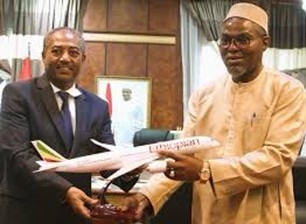
* Ethiopian Airlines
* Royal Air Maroc
* Turkish Airlines
* Emirates
* Qatar Airways
* Brussels Airlines
* Air France
* British Airways
* Air Senegal
* Kenya Airways
to improve onward connections through major global hubs.
Develop Conference Airfare Packages
Collaborate with airlines to offer:
* discounted delegate fares,
* flexible ticket conditions, and
* event-specific travel packages.
Strengthen Regional Aviation
Improve links within ECOWAS so delegates from neighbouring countries can travel quickly without unnecessary overnight stays.
Market The Gambia as a MICE Destination
Establish a dedicated national programme promoting The Gambia as a premier destination for:
* IMF and World Bank meetings
* African Union events
* ECOWAS conferences
* UN agencies
* Development partners
* International associations
* Private sector conventions
Create a National Convention Bureau
A specialised bureau should coordinate:
* bidding for international conferences,
* logistics,
* airline partnerships,
* accommodation,
* transport,
* event marketing.
Expected Economic Benefits
Improved air access would lead to:
* Increased conference tourism
* Higher hotel occupancy
* Greater airline traffic
* Increased foreign exchange earnings
* Growth in business tourism
* Expanded investment opportunities
* More employment
* Stronger national branding
* Enhanced competitiveness
A National Economic Imperative
The successful hosting of the Africa IMF/World Bank Caucus Conference demonstrates that The Gambia has entered a new era in conference diplomacy.
The challenge now is to ensure that our aviation ecosystem keeps pace with our infrastructure ambitions.
Every additional direct flight increases opportunities for investment, tourism, trade, and international engagement.
Air connectivity should therefore be recognised not merely as a transport issue, but as a strategic pillar of national economic development.
Conclusion
The Sir Dawda Kairaba Jawara International Conference Centre has given The Gambia a world-class venue capable of hosting Africa’s most important gatherings.
To maximise the return on this landmark investment, Government should place air access at the centre of its national MICE strategy. By improving international and regional connectivity, The Gambia can attract more conferences, more delegates, more investors, and greater economic value—transforming conference tourism into a major engine of sustainable growth.
Author: Ambassador Abdoulie M. Touray
President, SaHel Knowledge Campus Think Tank (SKCTT)
6 July 2026