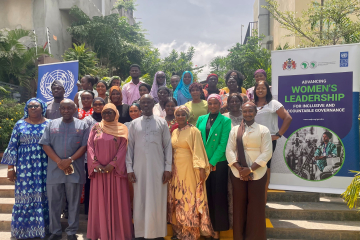
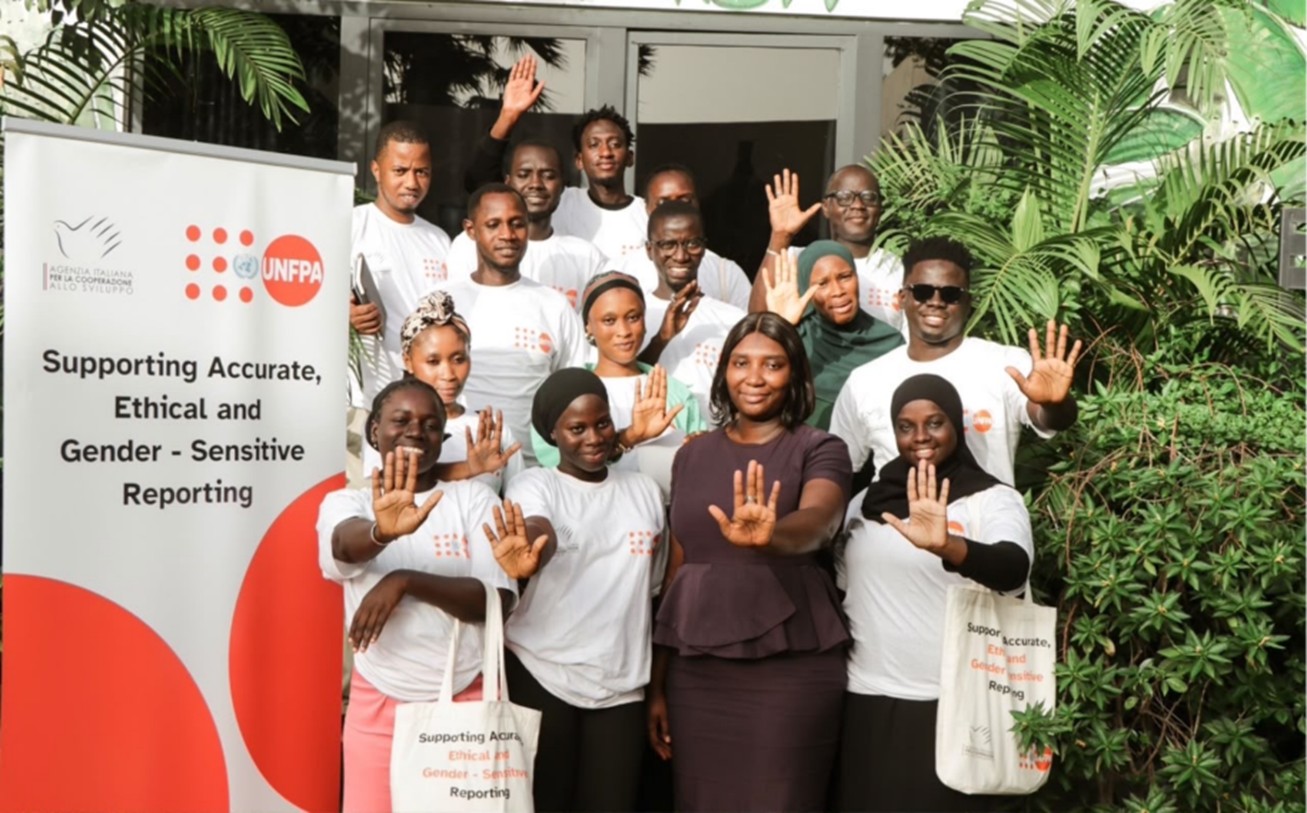
The United Nations Population Fund (UNFPA), in collaboration with its partners, has trained 13 court reporters to strengthen their capacity to report on sexual and gender-based violence (SGBV) cases accurately, ethically and sensitively ahead of the expected operationalisation of The Gambia's specialised SGBV Court later this month.
The two-day residential training, held at Bakadaji Hotel from 12 to 13 October 2026, focused on survivor-centred reporting, trauma-informed approaches, confidentiality, professional ethics and the protection of vulnerable witnesses.
The initiative forms part of broader preparations for the launch of the specialised court, with the trained reporters expected to play a critical role in ensuring responsible and accurate coverage of SGBV proceedings.
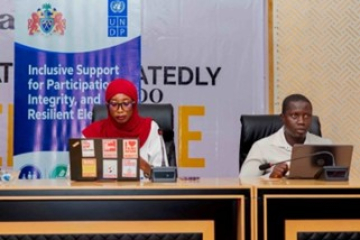
Speaking at the training, Joy Michael, Programme Specialist for Gender and Gender-Based Violence at UNFPA The Gambia, underscored the influential role of the media in shaping public perceptions and attitudes towards gender-based violence.
Drawing lessons from recent public debates surrounding gender-based violence and female genital mutilation (FGM), she noted that media narratives can significantly influence survivors' willingness to participate in legal proceedings.
Michael referenced an FGM-related case currently before the Supreme Court, explaining that some potential witnesses had reportedly been reluctant to testify due to narratives circulating within their communities regarding the case and the government's stance on the ban on FGM.
"The narrative shapes what the community accepts," she said, stressing the need for careful and responsible reporting to prevent misinformation and ensure survivors are not discouraged from seeking justice.
She further urged participants to use the training as an opportunity to reflect on their perceptions of gender-based violence and survivors, noting that journalists' attitudes can influence both their reporting and interactions with vulnerable individuals.
Michael also disclosed that the specialised SGBV Court is expected to become operational before the end of October. She revealed that more than 5,000 SGBV cases are reportedly pending, highlighting the urgent need for a dedicated court to help reduce the backlog and improve access to justice.
According to her, the court will incorporate survivor-friendly measures, including a shielded witness stand designed to prevent survivors from seeing the accused while testifying, thereby reducing the risk of retraumatisation.
Also speaking at the training, Mbasireh Saidybah, Programme Analyst for Partnership and Advocacy at UNFPA The Gambia, said the exercise was aimed at equipping court reporters with the technical and ethical skills needed to cover sensitive cases while protecting the privacy, dignity and wellbeing of survivors.
She emphasised that survivors often face stigma and long-term social consequences, making confidentiality a critical component of responsible reporting.
For his part, Ebrima Jallow, Deputy Judicial Secretary at the Judiciary of The Gambia, described court reporters as vital partners in informing the public about judicial proceedings and enhancing confidence in the justice system.
He noted that accurate, lawful and sensitive reporting could encourage more survivors to come forward, report cases and seek justice through the courts.
The training is expected to contribute to more informed, ethical and survivor-centred media coverage as The Gambia prepares to launch its specialised SGBV Court and strengthen the country's response to sexual and gender-based violence.