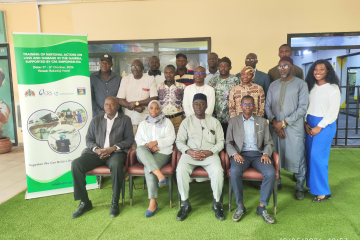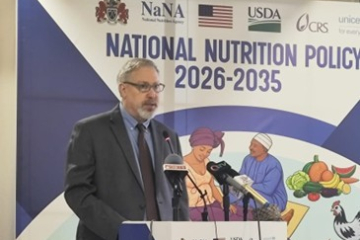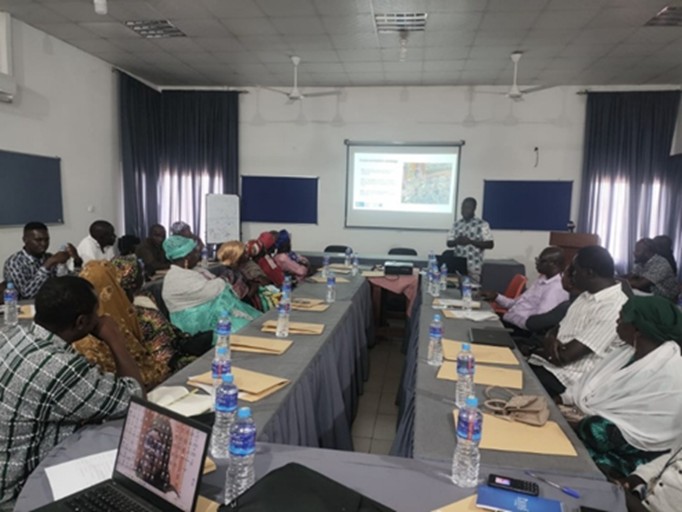
Speaking at the close-out meeting of the Diversifying Gambian Diets for Health and Environmental Sustainability (DiGES) project, held on Wednesday 24 June 2026 at the NaNA conference room, Mr Fofana stressed the importance of consuming a variety of foods to meet nutritional needs.
The meeting was hosted by NaNA in collaboration with the Medical Research Council Unit The Gambia at the London School of Hygiene and Tropical Medicine (MRCG at LSHTM), through the DiGES project.
The DiGES project, a 24-month initiative led by MRCG at LSHTM, was designed to identify and promote the production and consumption of fruits and vegetables that are resilient to climate change and offer significant health benefits.
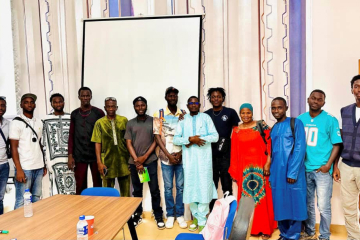
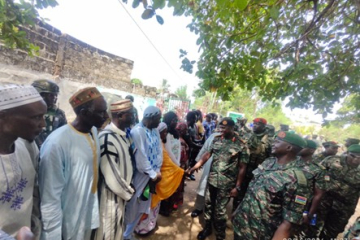
NaNA implemented the Social and Behavioural Change Communication (SBCC) component of the project, training community structures and garden committees in parts of the West Coast Region. These groups received quarterly coaching and mentoring to strengthen their capacity during implementation.
Mr Fofana highlighted the financial challenges households face in accessing diversified diets. He explained that a nutritious diet for a household of eight costs approximately D373 per day, while a fully diversified diet based on recommended standards costs D446 per day.
“We expect the results of this research to help us address some of those fiscal challenges, because it will help us produce food ourselves and consume those foods that can meet our diversified diet,” he said.
He added that the project aims to support the production of crops that contribute to diversified diets, while equipping stakeholders with the knowledge and skills to prepare and consume them.
Mr Fofana underlined that the DiGES project was particularly valuable in promoting the consistent consumption of diversified diets by encouraging the production of foods that can withstand climate change.
Dr Zakari Ali, Research Fellow at MRCG at LSHTM, explained that the project examined farmers’ lived experiences of climate change and explored how these could be harnessed to develop adaptation strategies for improving the production and consumption of climate-resilient crops.
Abdoul Aziz Ceesay, Deputy Director General at NaNA, emphasised the importance of addressing micronutrient deficiencies as part of efforts to improve the nutritional and health status of Gambians.