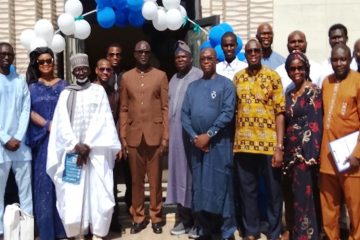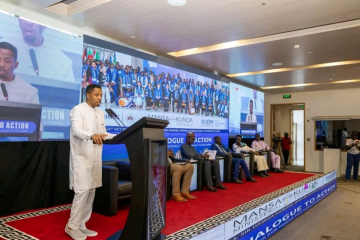
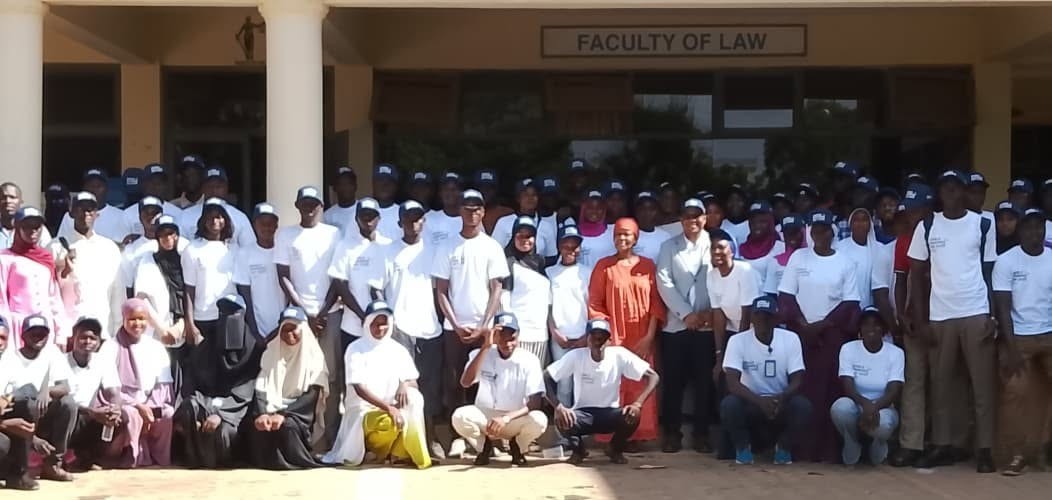
The Ministry of Fisheries, Water Resources and National Assembly Matters in partnership with the Food and Agriculture Organization (FAO) Gambia Office and the EAF-Nansen Programme on Saturday joined the global community to celebrate World Fisheries Day, with a passionate call for proactive measures to strengthen efforts against illegal fishing and protect the country's marine resources.
Held at the University of The Gambia auditorium in Kanifing, the convergence brought together participants from the University of The Gambia (UTG), researchers, boat builders, aquaculture farmers, fish processors, fish mongers, artisanal fishers and all actors within the fisheries sector, among others.
Themed: "Fisheries Governance and Sustainability", the event highlights the importance of sustainable fish stocks in the world, to strengthen human rights for the small-scale fishing communities, to make a true difference in the working conditions of fishing communities, and to eliminate illegal, unreported, and unregulated fishing.
Addressing the gathering, Moshibudi Rampedi, FAO Country Representative, acknowledged that fisheries are vital to The Gambia's food security, jobs, household incomes, foreign exchange earnings, and economic opportunities.
The sector, she added, accounts for approximately 12 per cent of national Gross Domestic Product and supports more than 300,000 people in fishing, processing, marketing, transport, and related activities.
Artisanal fisheries, she outlined, supply approximately 90 per cent of the fish consumed nationally, highlighting their importance in everyday life.
"Women make a major contribution throughout The Gambia's fisheries value chain, from oyster harvesting to fish processing, smoking, drying, and marketing. Their work helps sustain fishing communities, while young people also play an important role in the sector. These contributions are under threat."
She observed that overexploitation, climate change, environmental degradation, inadequate processing infrastructure, and post-harvest losses, put the sector's resilience and economic potential at risk.
The FAO Country Rep indicated that her agency helps advance national fisheries and aquaculture development by strengthening legal and policy frameworks.
This support, she added, includes technical support for the Fisheries Act, 2007, which provides the foundation for conserving, managing and sustainably using fisheries resources.
"More recently, FAO has helped review and update fisheries legislation to meet international standards, including measures to combat illegal, unreported and unregulated fishing."
Babanding Kanyi, Principal Fisheries Officer on behalf of the Permanent Secretary, Ministry of Fisheries, Water Resources and National Assembly Matters, highlighted the importance of the sector in creating jobs, supporting livelihoods and driving the national economy.
"The theme of this year's event reminds us that without good governance, there can be no sustainability. Without sustainability, there can be no future for our fisheries."
Good governance, he added, means transparency, accountability, and participation, science-based decision-making and effective enforcement of our laws.
He assured that the government of The Gambia recognizes fisheries as a priority sector for national development, food security and job creation under the National Development Plan.
In this light, he assured that government will continue to provide strong support to the sector through policy and legal reforms, review and strengthening of the Fisheries Act, regulations and National Fisheries Policy to ensure modern, transparent and sustainable governance of the sector.
"Increased government budgetary allocation to the Ministry and Department of Fisheries for operations, staff welfare, investment in fishing landing sites, cold storage facilities, fish markets and aquaculture facilities across the country."
In fighting Illegal, Unreported, and Unregulated fishing in our waters, he noted that provision of patrol and fishing boats, fuel and equipment to the Department of Fisheries and The Gambia Navy for monitoring.
The celebration also featured a presentations and documentary on the challenges and importance of fisheries on the lives and livelihoods of coastal families across the globe.