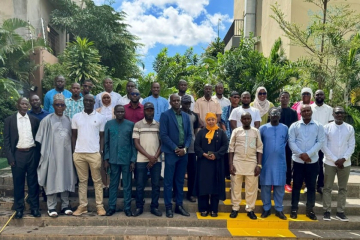
The PEI is sub component 3.1 of The Gambia Resilience, Inclusion, Skills and Equity (RISE), a five-year project initiated by The Gambia government, with funding from the World Bank.
The project is poised to provide a foundation for sustainable livelihoods targeting the poor and vulnerable. It has five components with various stakeholders from diverse institutions.
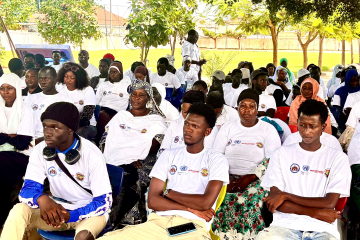
Moreover, the PEI project is being piloted in three districts of The Gambia with the household registration currently underway in various districts.
Upon completion, the PEI project will also provide training, coaching, mentorship and cash support of D20, 000 in grants to 10,000 households in the 22 poorest districts to boost their entrepreneurship skills.
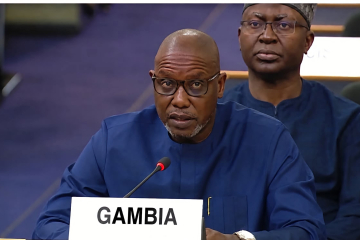
In an interview with journalists, Abdul Aziz Ceesay, Deputy Director of the National Nutrition Agency, said that the PEI is aimed at boosting the productivity and income of the poor through measures such as entrepreneurship or employability so that they can generate a decent income.
He revealed that priority will be given to people living with active disabilities, youth and ensuring a 50 percent quota for women's participation.
The project, he added, will be implemented as a graduation approach to cash transfers and other initiatives, with the goal of providing opportunities to poor and vulnerable people and to help build sustainable and resilient livelihoods.
Ceesay thus applauded his partners for leading what he described as a life-changing initiative.
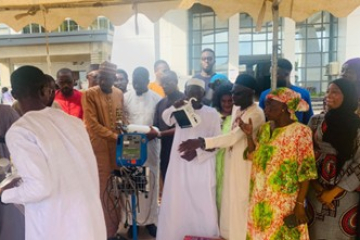
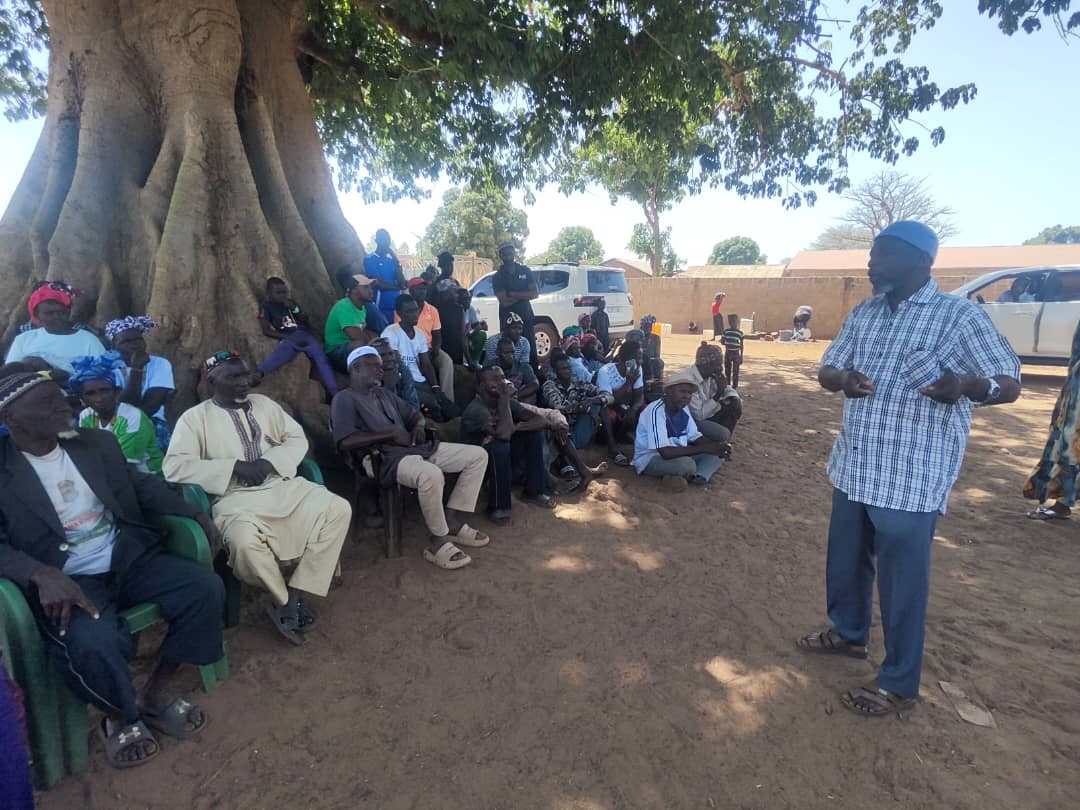
Alhaji Jatta, a Community Development Officer in the West Coast Region, who spoke with reporters at Bullock Registration Centre in Foni Brefet, recalled that 75 percent will be given to beneficiaries with coaching and mentoring after which the remaining 25 percent will be given to complete the disbursement process.
Meanwhile, other registration centers included- Kunyenyeh village, Foni Kansala, Jackoto village, Niamina Dankunku and Mamud Fana village in Niamina East in the Central River Region-South.