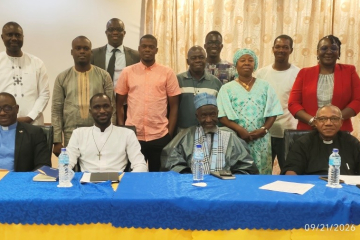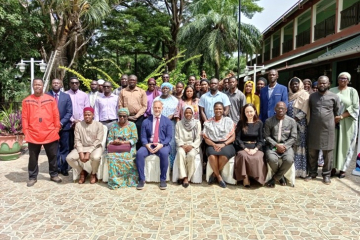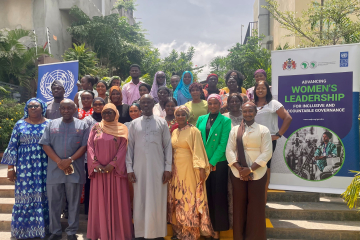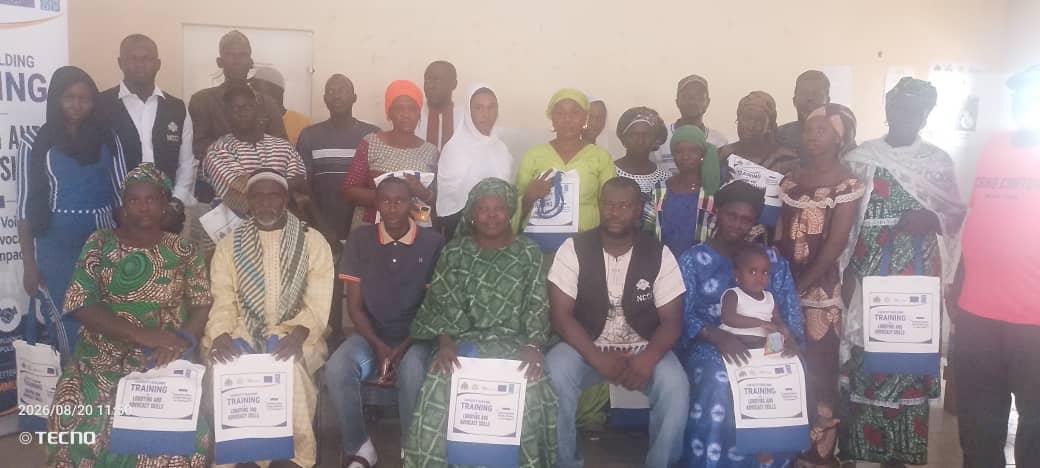
The training brought together community organisations, media practitioners, civil society actors, and representatives from marginalised groups, all united in their efforts to strengthen grassroots advocacy and influence local policy.
In an exclusive interview with The Point, NCCE Programme Manager Ansumana Ceesay stressed the importance of equipping participants with practical tools, techniques, and knowledge to influence policy decisions, mobilise stakeholders, and effectively articulate community needs.
“Effective advocacy is not only about making demands,” he explained. “It is about understanding the issue, identifying the right decision‑makers, developing clear messages, building strategic relationships, using credible evidence, and proposing practical solutions.”
Ebrima Kinteh, Regional Administrative Officer for the National Human Rights Commission (NHRC) in URR and CRR, delivered a session on human rights‑based lobbying and advocacy, outlining strategies for influencing local policies and decision‑makers.
The two‑day programme concluded with group work and participant presentations, fostering collaboration and knowledge‑sharing on lobbying and advocacy strategies tailored to Gambian communities.
This initiative reflects the commitment of NCCE and its partners to empower citizens, strengthen civic engagement, and ensure that communities are equipped to play a meaningful role in shaping policies that affect their lives.