The Ministry of Basic and Secondary Education (MoBSE), in partnership with Learning Masterminds and other stakeholders under the World Bank-funded Gambia RISE Project, is conducting nationwide teacher training in preparation for the rollout of the Foundation Learning Programme (FLP).
The programme aims to strengthen foundational literacy and numeracy among young learners through instruction in seven national languages, namely Fula, Mandinka, Manjaku, Wolof, Pulaar, Soninke and Serer, alongside English.
Targeting learners in Early Childhood Development (ECD) Levels 2 and 3 and Grade 1, the initiative seeks to improve early-grade learning outcomes through mother-tongue and national-language-based instruction, ensuring that no child is left behind.
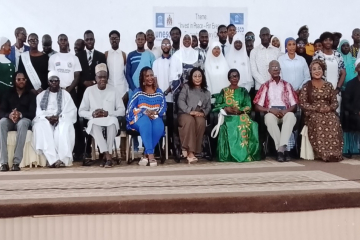
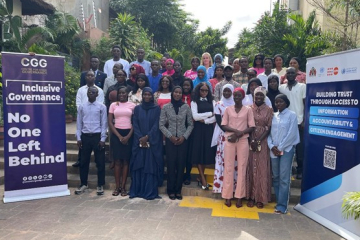
In Region Five North, the training is being held at MadinaWassu Lower Basic School, bringing together headteachers, coaches, classroom teachers and Cluster Monitors from across the region.
The programme is designed to equip participants with the pedagogical knowledge, practical teaching skills and instructional strategies required for the effective implementation of the FLP. Training focuses on literacy in National Language L1 and L2, English language and numeracy.
The intensive two-week programme is divided into two phases. The first week focuses on literacy, covering national languages and English instruction through learner-centred teaching approaches aimed at strengthening early-grade reading skills.
The second week focuses on numeracy for Grade 1 learners, with participants engaging in lesson planning, development of teaching and learning materials, group presentations and micro-teaching exercises.
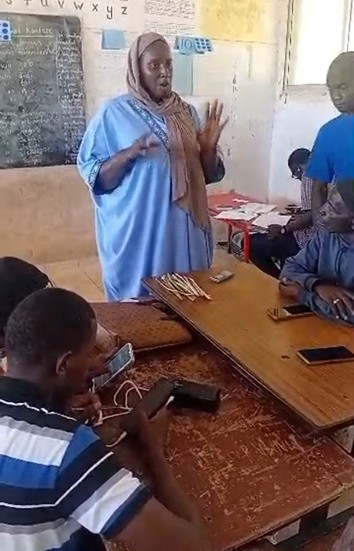
During practical sessions, Grade 1 teachers demonstrate classroom teaching techniques while facilitators and Cluster Monitors assess their performance and provide feedback to enhance instructional delivery.
The numeracy component places particular emphasis on number sense, geometry and real-life problem-solving, supported by pupil textbooks and teacher guides designed to improve classroom engagement and learning outcomes.
To deepen understanding of the programme's methodologies, participants take part in interactive discussions, lesson demonstrations, presentations and micro-teaching activities, enabling them to identify strengths, address challenges and learn collaboratively.
Teachers are also being trained in the use of the widely recognised “I Do, We Do, You Do” instructional approach, which encourages guided learning and gradual pupil independence.
The Foundation Learning Programme represents a significant step towards improving the quality of foundational education in The Gambia. Through enhanced teacher preparation, the provision of appropriate learning materials and the integration of national languages into early-grade instruction, the initiative seeks to build stronger literacy and numeracy skills among young learners.
Education officials believe the programme's success will depend on effective teacher implementation, continuous professional support, strong monitoring mechanisms and sustained collaboration among stakeholders to ensure every child acquires the skills needed for lifelong learning.