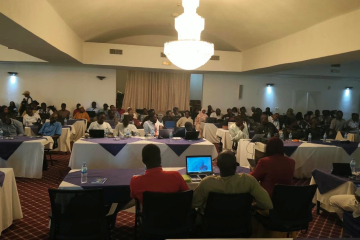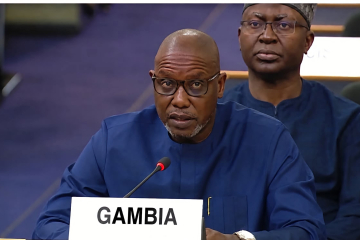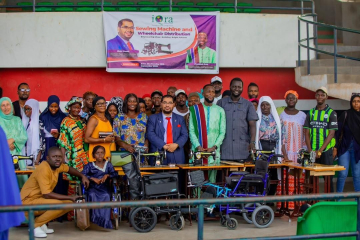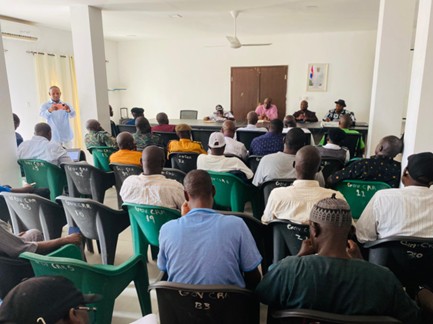
The forum also provided an opportunity for stakeholders to brainstorm on issues affecting communities in the Central River Region (CRR). The meeting, held at the Governor’s Office, forms part of ActionAid’s ongoing efforts to foster inclusive dialogue, transparency, and collaboration in governance and development processes.
At the event, Ousman Bah, Governor of Central River Region, proposed the creation of sub-committees to monitor the implementation of recommendations and strengthen institutional accountability.
“We need to think outside the box. We should divide the TAC into sub-committees, including one dedicated to following up on the recommendations we make, so that our quarterly presentations lead to real action and measurable results,” he said.
Governor Bah also recommended the need to increase stakeholder participation in future interface so as to include key government institutions such as agriculture, health, and security services, ensuring that community concerns receive timely responses.
Bakary Korra, Regional Coordinator of the Gambia Livestock Marketing Agency, dilated on issues relating to encroachment of animal grazing land and cattle tracks, which he observed, fall outside the agency’s mandate.
“Our mandate is strictly livestock commercialisation, including livestock marketing and the collection of cattle tax on behalf of the Government of The Gambia,” Korra explained.
He reminded stakeholders about the security risks involved in collecting cattle taxes in rural communities, highlighting the agency’s increasing reliance on police backup during field operations.
Janko Baldeh, Regional Administrator of Riders for Health (RFH), shared some of the challenges their personnel encounter on night-shift especially during tonight referrals due to limited river transport services.
“During emergencies at night, ambulance drivers have to rely on private boat owners to ferry patients across the river, with costs often falling on the patient’s relatives. In some cases, families pay up to D300 for the crossing,” Baldeh said. He called for 24-hour ferry operations or naval support to ensure timely and affordable emergency referrals.”
The engagement is expected to continue with broader community inclusion, reinforcing ActionAid’s commitment to participatory governance and sustainable development in the Central River Region.