She noted that the issue is compounded by low enrollment in mathematics at the tertiary level and a widespread fear of the subject among students.
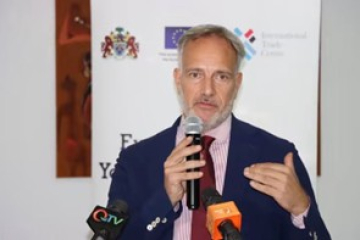
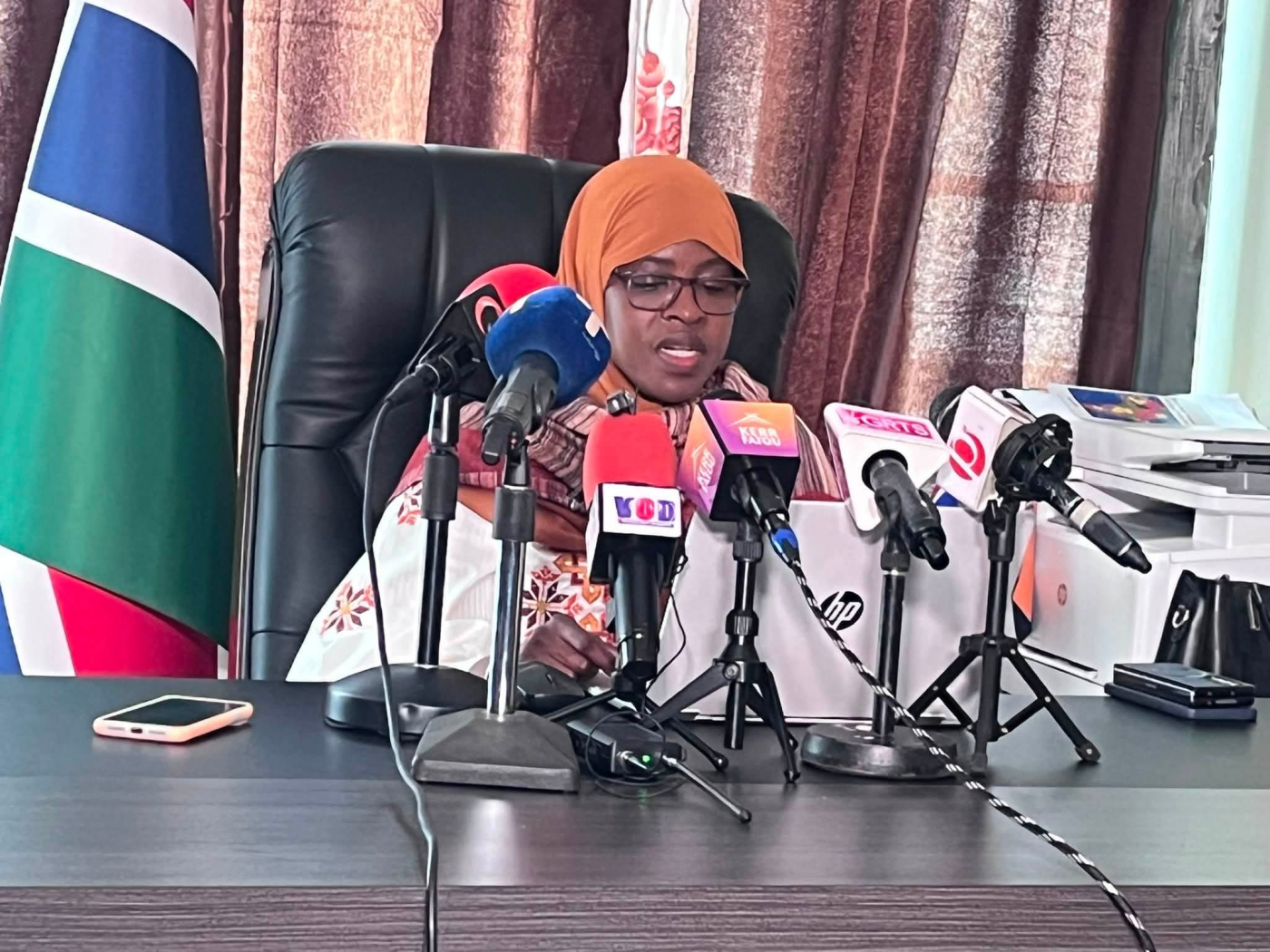
Speaking in an interview with QTV on Tuesday, August 18, 2026, Dr. Drammeh clarified a recent headline suggesting poor performance in mathematics was largely due to a lack of teachers. While acknowledging that the shortage is a significant factor, she stressed that the problem is more complex.
“Sometimes you go to schools, and you realize it because some schools will tell you that we don’t have a math teacher,” she said.
Dr. Drammeh explained that English has seen improvements thanks to an increase in trained teachers and ongoing professional development. Mathematics, however, remains a greater concern. In some schools, administrators are forced to rely on teachers from other subjects to fill the gap.
She pointed out that the shortage begins at the tertiary level, where relatively few students choose to specialize in mathematics. Although the University of The Gambia’s School of Education has the capacity to train more teachers, the number of graduates remains insufficient to meet national demand.
Beyond increasing teacher numbers, Dr. Drammeh emphasized the need to strengthen the skills of those already teaching mathematics. She also highlighted the fear many students have developed toward the subject, often due to negative past experiences or the perception that mathematics is inherently too difficult.
To address these challenges, the ministry plans to review how mathematics is taught in schools, with a focus on making lessons more appealing, improving teaching methods, and expanding the pool of qualified teachers. Technology, she added, could play a role in this transformation, with artificial intelligence tutors and digital tools being explored to make mathematics more interactive and engaging.