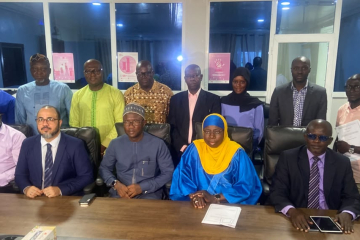
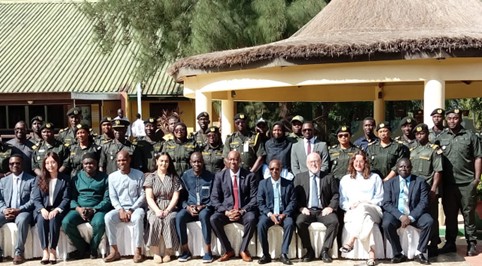
The Gambia Revenue Authority (GRA), in partnership with the World Customs Organization (WCO), has commenced the second phase of an advanced Post-Clearance Audit (PCA) capacity-building programme to strengthen customs compliance, enhance revenue collection, and align the country’s audit framework with international best practices.
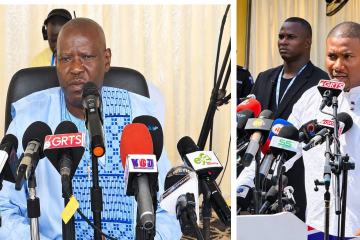
Speaking at the opening, Commissioner General Yankuba Darboe welcomed the WCO delegation and thanked the organisation for its continued technical support.
The programme follows a joint gap analysis by WCO experts and GRA officials through on-site engagements and virtual consultations with the PCA and Legal Teams.
Darboe said the main objective is to review, amend and modernise the existing PCA Regulations and Manual to respond to the operational needs of the PCA Unit and reflect internationally recognised standards.
He said the revised framework is expected to improve audit efficiency, strengthen compliance and boost domestic revenue mobilisation.
Highlighting the Unit’s achievements, Darboe revealed that revenue recovery rose from about D15 million in 2023 to about D27 million in 2025. He said the Unit has strengthened audit procedures, improved risk-based audit selection and fostered stronger cooperation with the trading community. Importer compliance also improved between 2024 and 2025.
“The work of the Post-Clearance Audit Unit remains critical to achieving two key objectives: facilitating international trade and protecting government revenue,” he said.
He acknowledged support from the African Development Bank, International Monetary Fund and WCO in building the Unit’s capacity.
Since becoming fully operational, the Unit has audited more than 60 major importers from 2023 to date. In 2024, one of its officers attained WCO Fellowship recognition, a milestone Darboe described as evidence of GRA’s commitment to developing technical expertise.
He urged participants to ensure the resulting Regulations and Manual are not merely documents on paper but practical tools that guide daily operations, promote consistency, strengthen accountability and improve performance.
Commissioner of Customs Alhagie Mbye commended the PCA Unit’s progress in revenue recovery, trade compliance and institutional capacity.
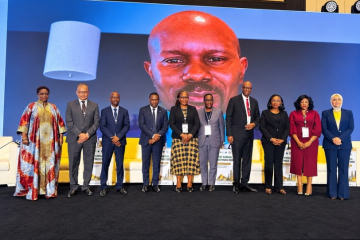
Representatives from the UK’s HM Revenue and Customs (HMRC) and the WCO also praised The Gambia for progress in trade facilitation reforms.
HMRC representative Helena Kern said the visit was to assess the impact of the UK-supported Accelerate Trade Facilitation Programme. She described The Gambia as one of the programme’s trusted partner countries and highlighted progress in the Authorized Economic Operator (AEO) Programme and PCA systems.
“The Accelerate Trade Facilitation Programme is now in its eleventh year, and we have secured funding through 2029,” she said.
WCO Programme Manager David Tanenbaum said cooperation between the WCO and GRA began in 2021 during COVID-19 and has expanded to coordinated border management, time-release studies, performance measurement and AEO regulations.
He revealed that a recent diagnostic mission produced a draft PCA Enhancement Action Plan with 31 recommendations and 74 remedial actions to be implemented between 2026 and 2029. WCO experts and GRA officials have spent the past seven weeks developing draft PCA regulations and an operational manual.
“These improvements make customs officers’ jobs easier while helping traders move their goods faster and more efficiently,” Tanenbaum said.
The Accelerate Trade Facilitation Programme, funded by the UK Government through HMRC and implemented by the WCO, supports partner countries in modernising customs operations and improving border management.