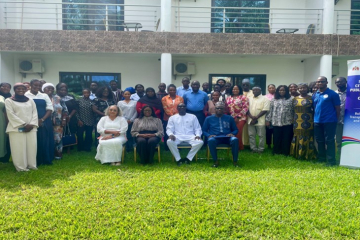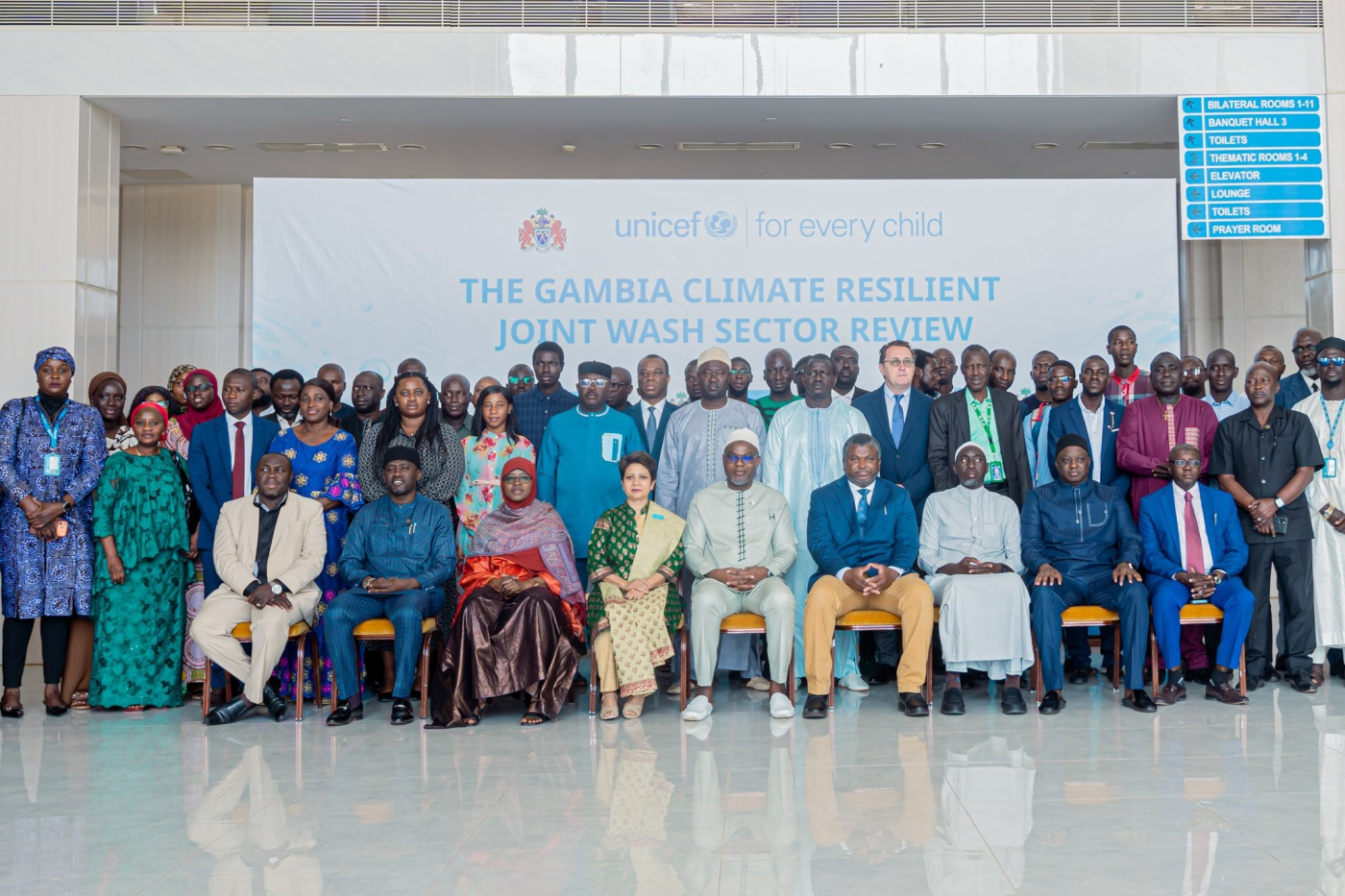
The review aims to consolidate progress and define strategic priorities, strengthen sustainable and inclusive climate resilient WASH sector of The Gambia. It builds upon the outcome of the two major multi-stakeholder sessions held earlier in February and May 2025.
Further, this participatory forum involves government planners, decision makers, practitioners and other stakeholders engaged in WASH service delivery.
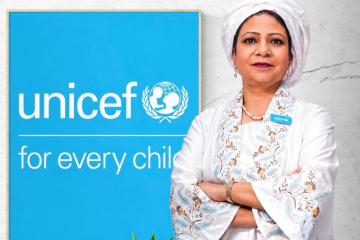
In her welcoming address, Ms Nafisa Binte Shafique, UNICEF Country rep spoke of her commitment to stand with the Government of The Gambia in this landmark engagement - first ever WASH joint sector review in the country.
The initiative, she added, is about national resilience, about equity and above all, about children of The Gambia.
“The Gambia has advanced access to basic drinking water and sanitation, and the country is very close to ending open defecation, an achievement that would place The Gambia among Africa's champions. We are left with only one percent, and that is also not achieved by many countries.”
UNICEF Country rep noted that climate change is no longer a distant risk, but rather it is a present and compounding threat, not only in The Gambia, but globally.
The changing rainfall patterns, she went on, are contributing to crop failures and food shortages, and young children, already the most vulnerable and nutritional deficits, carry the greatest burden for that.
“Floods are forcing families to relocate, disrupting children's education and access to health care, destabilizing family life in ways that affect children's mental well-being and development. Floodwaters contaminate water sources, driving waterborne diseases, and the risks do not occur in isolation.”
Buba Sanyang, permanent secretary at the Ministry of Fisheries, Water Resources and National Assembly Matters, described the forum as timely and important platform for consolidating collective progress under defining strategic priorities to strengthen a sustainable, inclusive, and climate resilient water sector in the Gambia.
“In today's global context, water resources systems are projected to face unprecedented stress. In the Gambia, these risks are no longer theoretical. We are experiencing increasingly unprecedented rainfall patterns, alternating floods, and the prolonged dry spells within the same season. Rapid urban population growth, driving water demand, rising pollution, pressure, and accelerating salination linked to higher temperature and evaporation.”
As a climate-vulnerable nation, PS Sanyang observed that these pressures threaten water supply, livelihood, ecosystem, and public health.
He also dwelled on some major governance reforms aimed at modernising the water sector in the country, recalling that three months ago, they initiated the development of the New National Water Policy (2025–2034), which would succeed the previous one in 2027.
For her part, Habibatou Drammeh, Minister for Basic and Secondary Education, acknowledged her Ministry’s role in the review process, adding that the latter is not merely serving as an educational authority, but a critical player in fostering the health and well-being of children.
“The learning environment we create in this country have a direct and lasting impact on not only the academic success of these children, but also on the physical and mental health of them.”
Minister Drammeh reminded that when they invest in the health of ‘our children, we are ultimately investing in the strength of our country.’
She affirmed that healthy children learn better, thrive well, and ultimately become the pillars of our society.
Also speaking, Dr Ahmadou Lamin Samateh, minister for health, highlighted some statistics regarding the country’s water, hygiene and sanitation indicators, making reference to recent data, which shows that approximately 48% of Gambians currently drink water from a safely managed drinking water source.
“UNICEF data further shows that about 90% of households have access to safe drinking water at least at basic level.”
Minister Samatah noted that while improved accessibility has expanded across water, sanitation and hygiene indicators for example, open defaecation is now within 1%, as 90% of households have access to safe drinking water.
“The low coverage of safely managed services, particularly in sanitation and hygiene, means we need to redouble our efforts to meet SDG 6 targets set for 2030.”
In light of climate change, Minister Samateh maintained that with increasing variability in rainfall, frequent drought conditions and flooding risk, these service gaps translate directly into public health risk, environmental stress and socio-economic vulnerability.
Equally, the Health minister talked about the progress made in the past 11 months especially in the WASH sector, particularly in laying a strong foundation for climate resilience for wash systems in health facilities, schools and communities.
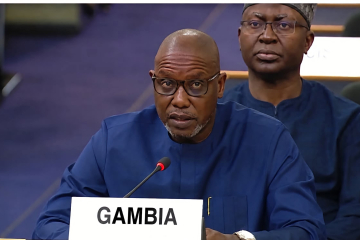
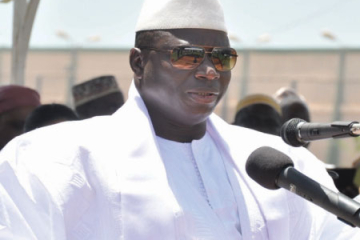
In his opening statement, H.E. Muhamed B.S. Jallow on behalf of the Gambian leader extended sincere appreciation to UNICEF for its consistent technical and financial support to the Government of The Gambia through the Ministry of Health, and to all development partners whose collaboration continues to strengthen the WASH sector.
To that end, VP Jallow reminded that access to safe water, sanitation and hygiene is not only a social service obligation; rather, it is a strategic development investment that directly impacts public health, education outcomes, economic productivity, gender equity, and national resilience.
He talked about the gains by the Gambia in achieving 85% access to drinking water and 61% access to improved sanitation, noting that these gains remain structurally vulnerable to climate shocks, including flooding, salinisation, droughts, and infrastructure degradation.
He recalled that since 2017, Government has pursued key reforms focused on strengthening inter-ministerial coordination and sector governance; expanding domestic resource mobilisation for sustainable financing; leveraging climate finance and blended financing mechanisms; and embedding accountability, transparency and performance management in service delivery systems.