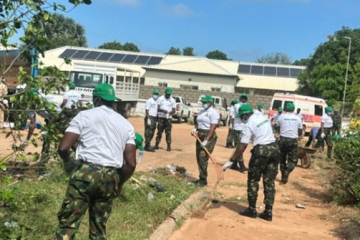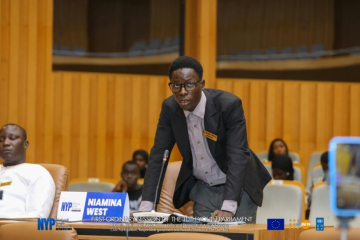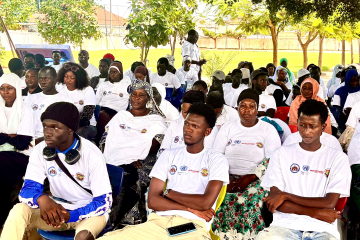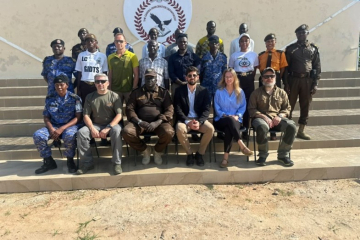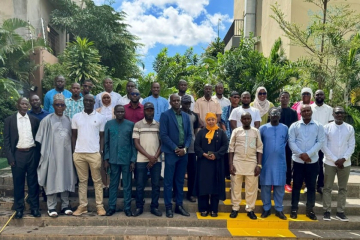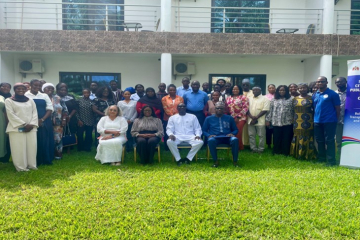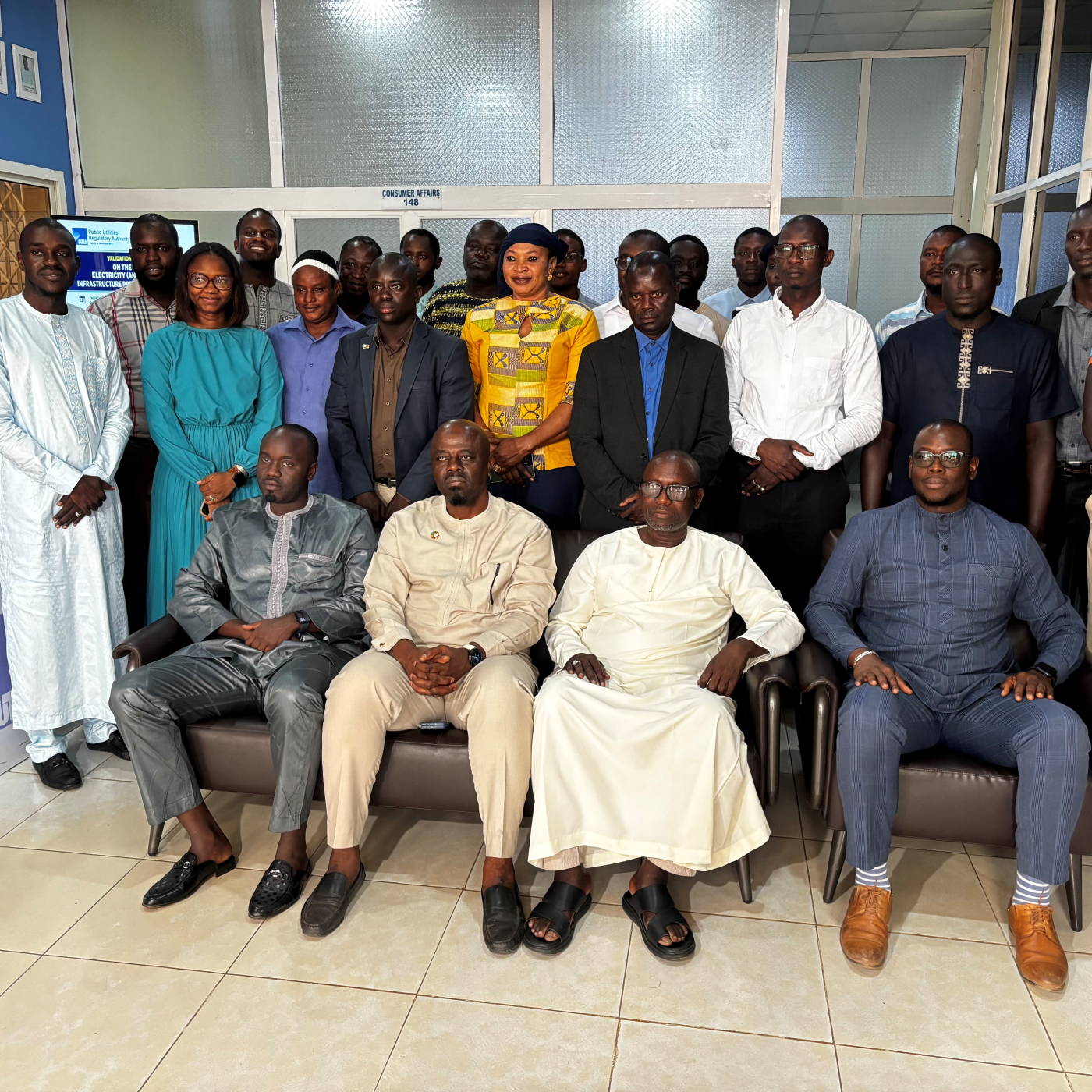
The event attracted representatives from Government Ministries, Departments and Agencies (MDAs), the National Water and Electricity Company (NAWEC), other licensed electricity service providers, including Unique Energy and SESCO, law enforcement and security institutions, the judiciary, academic and research institutions, consumer representatives, development partners, members of the Technical Working Group (TWG), and other key stakeholders to review and validate the draft Regulations.
The initiative is part of a broader initiative aimed at strengthening the legal and regulatory framework for addressing electricity theft, vandalism of electricity network assets, and the protection of critical electricity infrastructure in The Gambia.
Addressing the gathering, Solo Sima, Deputy Director General on behalf of the DG, underscored that electricity is far more than a commodity rather, it is the backbone of economic growth, industrial development, public service delivery, education, health care, security, and the overall quality of life of people.
“How can a nation achieve universal access to reliable electricity if the very infrastructure that delivers it is continually undermined by theft and denial?”
Sima indicated that this is a question that should concern every one, reminding that protecting electricity infrastructure is therefore not solely the responsibility of the utility or the regulator.
“It is a shared national responsibility.” He added.
He noted that as government continues to pursue the global ambition of achieving universal access to modern energy, thus it is important to reflect not only on how far we have come, but also on what remains at stake.
He spoke about the gains made in electricity access over the past decade, reaching approximately 58 percent of the population in 2024.
While this represents a significant progress, he noted that, nearly four out of every 10 people in West Africa still lacks access to electricity.
This, he said, underscores the considerable electrification challenge that continues to come from the region.
“The Gambia, however, has emerged as one of the region's notable success stories.”
Momodou B.T. Senghore, Operations Manager at the Central Project Coordination Unit (CPCU), revealed that the development of the electricity and infrastructure protection regulation is one of the priorities technical assistance activities under the Gambia Infrastructure Project (GIP) financed by the World Bank.
The project, he said, is designed not only to build and upgrade physical infrastructure, but equally to strengthen the policies, legal, and regulatory environment and the infrastructure to deliver sustainable results.
“This regulation sits squarely within that mandate. Electricity, theft and infrastructure vandalism deprive NAWEC of revenue the agency needs to improve services and reliability.”
In addition, Senghore indicated that this unlawful activity also undermines the investment being made by government, adding that addressing this challenge requires a dedicated enforcement and well coordinated regulatory framework is therefore essential and not just for the energy sector, but for the overall development in general.
Senghore also assured that CPCU remains committed to supporting PURA and all implementing entities, and seeing this activity through to a successful conclusion.
Ansumana Sanneh, Deputy Permanent Secretary at the Ministry of Finance and Economic Affairs, (MOFEA), said in developing sound, the relation is a collaborative process forum and the day’s session reflects government's commitment to inclusive stakeholder engagement and evidence-based policy, and regulatory reforms.
He commended PURA and the Ministry and all technical working group for their efforts, further giving insights into the background details of the project, part of which started in January 13th to 15th 2025.
He recalled that there were follow up meetings from the government and stakeholders, noting that the mission was led by the country’s economist and energy specialist in the country.
In accordance with the first operation, he said, the mission confirmed three main objectives part of which includes to enhance domestic revenue mobilisation as well as to support key infrastructures, regulatory skills for the foundation for the private sector development.
The policy measures, DPS Sanneh said have been discussed and agreed with the authorities, further indicating that the mission at the time took stock of implementation of reforms, adopted in the project initiative.