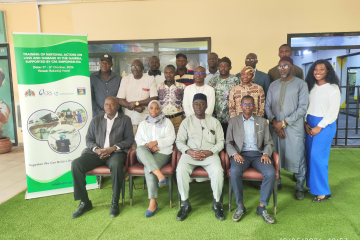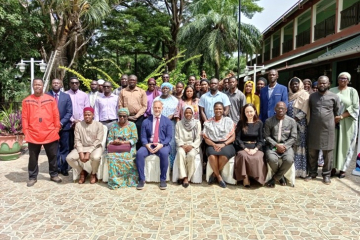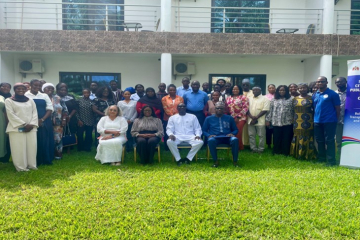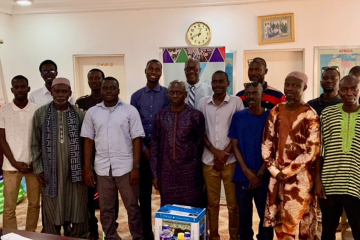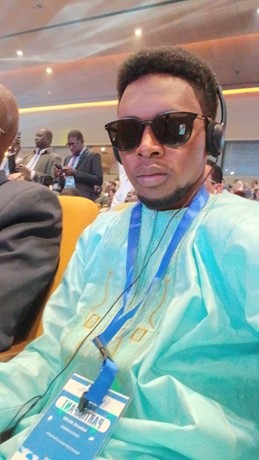
The conference brought together UN officials, government representatives, private sector partners, NGOs, civil society organisations, youth leaders, local government officials, and Indigenous groups from across 191 UN Member States. It followed a Youth Stakeholder Engagement Meeting on 25 January, ensuring that young voices were included in shaping the agenda.
Delegates worked to prepare an actionable roadmap towards achieving Sustainable Development Goal (SDG) 6: ensuring universal access to clean and safe drinking water and sanitation. The roadmap will feed into the UN Water Conference scheduled for later this year in Dubai, UAE.
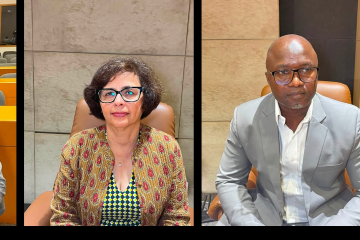
In his written statement to the committee, Mr Jallow stressed that achieving SDG 6 requires bold innovation. He highlighted artificial intelligence (AI), research-driven and data-driven approaches, and Climate-Smart Agriculture as essential pathways for sustainable and equitable progress.
“Access to clean and safe water and sanitation is a fundamental human right,” Mr Jallow declared. “Governments must prioritise and significantly invest in SDG 6, and citizens must hold them accountable.”
He further underscored the need for inclusive policies, noting that underprivileged communities and Indigenous peoples have suffered disproportionately from lack of access. “It is time for fully implemented, actionable programmes,” he stated.
Mr Jallow also championed the role of youth in driving change, insisting that their voices must be amplified and included in decision-making processes. He called for greater recognition of rural communities and differently-abled persons, reminding delegates that “disability does not mean inability.”
The Dakar meeting marked a significant step in global efforts to secure water and sanitation for all, with Gambian youth leadership firmly represented on the international stage.