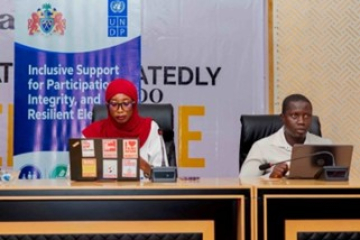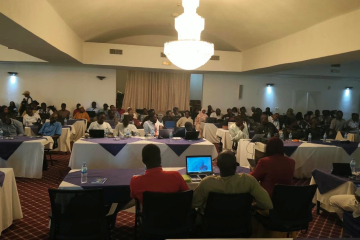
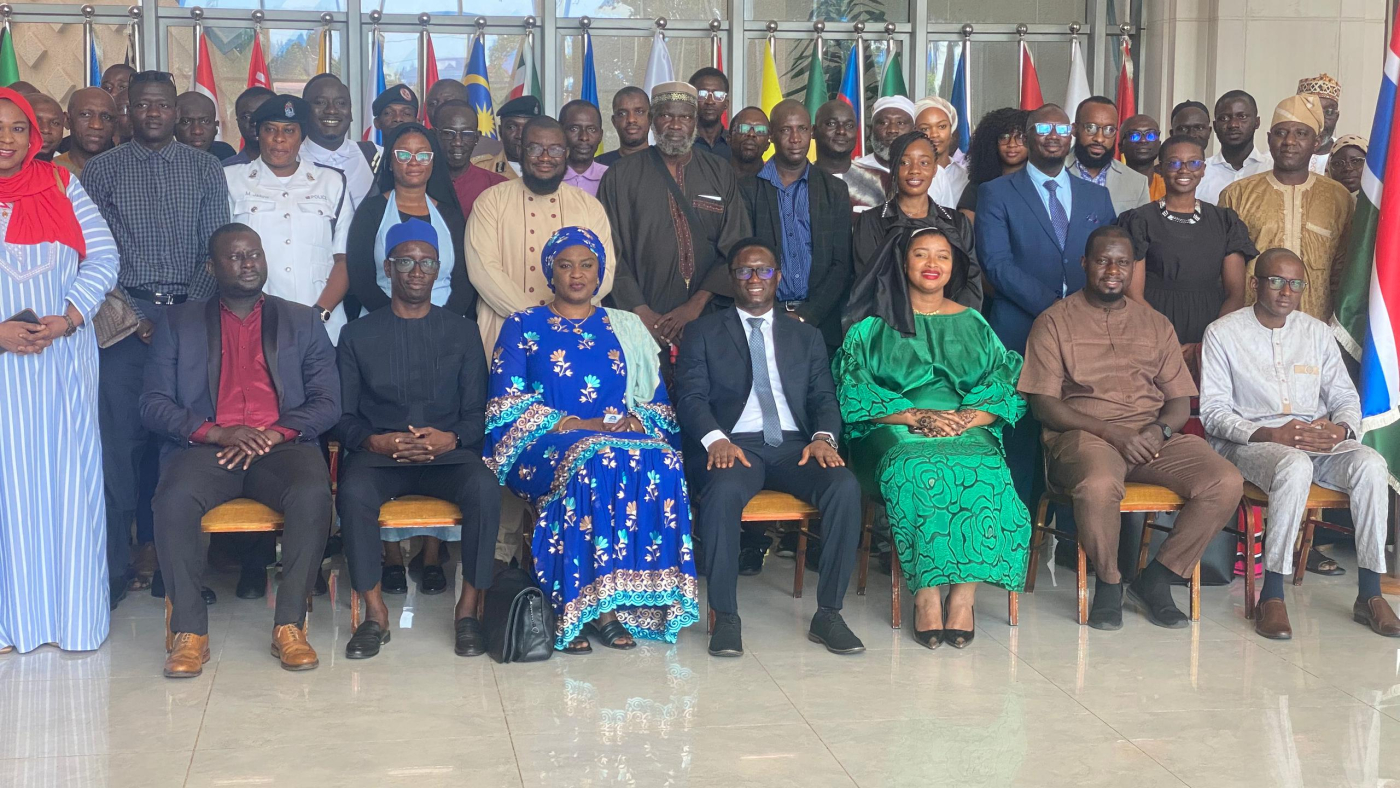
The validation was presided over by Hon. Prof. Pierre Gomez, Minister of Higher Education, Research, Science and Technology, on Monday, August 31st 2026, at the Sir Dawda Kairaba Jawara International Conference Center in Bijilo.
Minister Gomez said the validation marks a key milestone in building a more productive, resilient and knowledge-driven Gambia.
He admitted that the previous STI Policy 2015–2024 failed to deliver, with none of its 12 core objectives fully achieved. He blamed inadequate financing, weak legal and institutional structures, poor coordination, and lack of STI data.
“This new policy directly addresses those weaknesses,” Prof. Gomez said. “By establishing an STI Act and an STI Secretariat within MoHERST, we will strengthen support for research, improve coordination, and ensure accountability.”
The NSTIP 2027–2035 is aligned with ECOWAS Vision 2050, ECOPOST, AU’s STISA-2034, and the UN Sustainable Development Goals.
The policy is built around 10 priority areas: STI leadership and institutions; research financing; digital infrastructure and cyber security; AI and emerging technologies; STEM skills; opportunities for women in STI; climate-resilient and green innovation; university-industry linkages; data and measurement; and regional cooperation.
In practice, the Minister said, the policy will strengthen climate-smart agriculture, digital health innovation, STEM and TVET reform, and support for women scientists and entrepreneurs.
It will also promote commercialization of research through intellectual property structures.
Implementation will happen in three phases: Foundation Phase: 2027–2028; Transformation Phase: 2029–2031 and Consolidation and Scale-up: 2032–2035
To ensure accountability, the policy provides for annual STI reports to the National Assembly, independent reviews every two years, and a public National STI Observatory dashboard for all indicators.
“We are building a knowledge-driven society where science, technology and innovation power sustainable, inclusive and climate-resilient development for every Gambian,” Prof. Gomez stated.