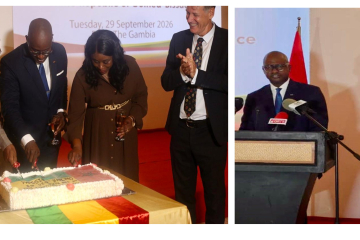
Unveiling its 2025 Monitoring Report on Prisons and Police Stations on Tuesday, the Commission painted a bleak picture following nationwide inspections of prisons and selected police stations. The findings reveal systemic failures that fall short of both national laws and international human rights standards, including the United Nations Nelson Mandela Rules and the Convention Against Torture.
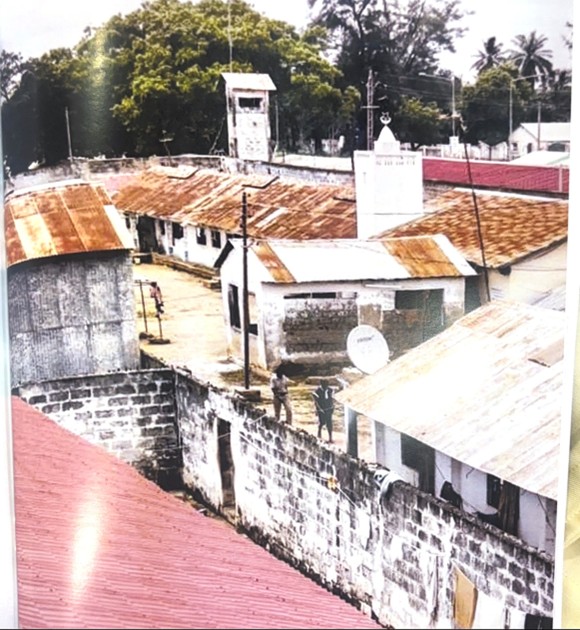
The report identifies severe overcrowding at Mile 2 Central Prison and Janjanbureh Prison as among the country’s most pressing human rights concerns. Poor sanitation, failing infrastructure, inadequate healthcare, weak record‑keeping and prolonged detention caused by judicial delays compound the crisis.
Prisons are also grappling with chronic understaffing, limited rehabilitation programmes and poor welfare conditions for officers factors the NHRC says undermine both security and the protection of inmates’ rights.
Healthcare and Rehabilitation Failures
Healthcare services remain grossly inadequate, with shortages of medical personnel, essential medicines and mental health support. Educational, vocational and psychosocial rehabilitation programmes are either insufficient or non‑existent, leaving detainees without meaningful opportunities for reintegration.
The Commission raised equally serious concerns over police detention facilities, where inspections uncovered overcrowded cells, poor ventilation, unreliable water and electricity supply, and inadequate sanitation. Many stations lack child‑friendly and gender‑sensitive interview rooms, exposing women, children and survivors of sexual and gender‑based violence to further vulnerability. In several cases, minors were detained in unsuitable environments, with no trained Child Welfare or Gender Officers present.
The report highlights inconsistent arrest and detention records, delays in granting bail, limited access to legal representation and poor coordination between police, prisons, prosecutors and the courts - all contributing to prolonged pretrial detention. Rural police stations were found to operate under even harsher conditions, facing shortages of vehicles and basic logistical resources.
Call for Urgent Reform
To address these challenges, the NHRC called for urgent investment in prison and police infrastructure, increased funding for healthcare and rehabilitation services, improved welfare for officers, and mandatory human rights, gender and child protection training for security personnel. It further urged the judiciary to fast‑track remand cases, expand legal aid for vulnerable detainees and strengthen coordination across the justice system to reduce unnecessary detention.
The Commission stressed that meaningful reform is essential not only to uphold the rule of law but to ensure that every person deprived of liberty is treated with dignity and in line with internationally recognised human rights standards.