Minister Njie made this assurance on day-two of the second Indonesia-Gambia Joint Commission for Bilateral Cooperation (JCBC) held at the African Princess Hotel in Banjul.
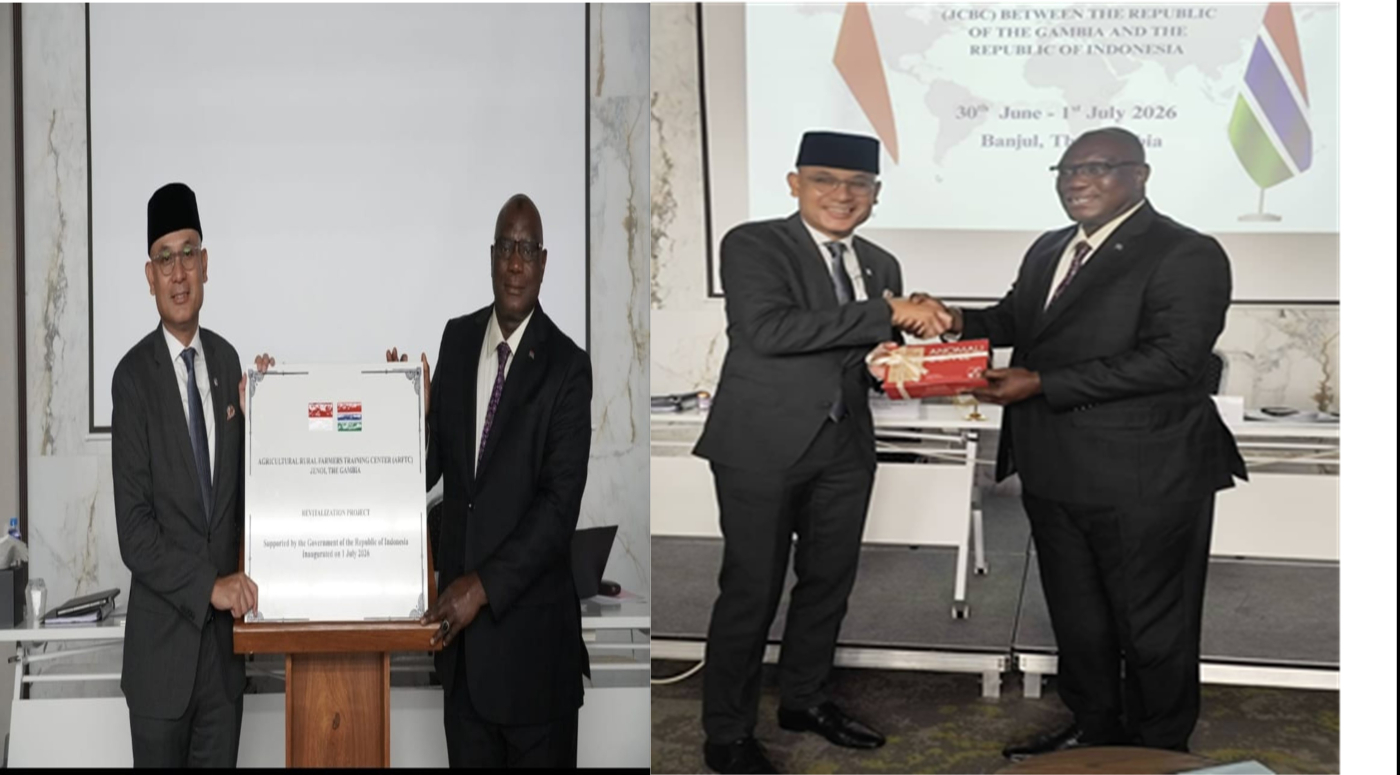
The ministerial meeting held on July 1, 2026 witnessed presentation reports of day-one senior officials meeting, adoption of the agreed minutes of day-one, video presentation of The Gambia development transformation, the official relaunch of the Agricultural Rural Farmers Training Center (ARFTC) project, and handing over of commemorative plague /inscription from the Vice Minister of Indonesia to the Minister of Foreign Affairs of The Gambia.
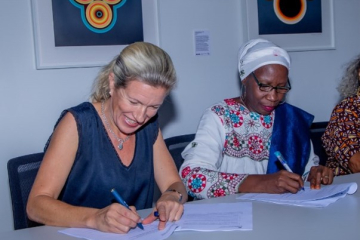
The meeting ended with the signing of a Joint Communique and a Memorandum of Understanding on the General Framework Agreement (GFA).
In his remarks, Minister Njie expressed optimism on successful implementation of all matters and targets discussed during the two-day meeting. He said there would be effective follow-up mechanisms, and sustained engagement between their institutions essential to ensuring the successful implementation of their shared commitments.
He noted that The Gambia and Indonesia enjoy a longstanding and cordial relationship founded on mutual respect, solidarity, friendship, and a shared commitment to peace, development, and international cooperation.
Though geographically distant, he said, the two countries are united by common values and a strong belief in the importance of South-South Cooperation as an effective vehicle for sustainable development and mutual prosperity.
He said the bilateral partnership has evolved into meaningful cooperation across several sectors of mutual interests. He also said The Gambia values Indonesia's continued support to national development, particularly in agriculture, human resource development, technical cooperation, and capacity building.
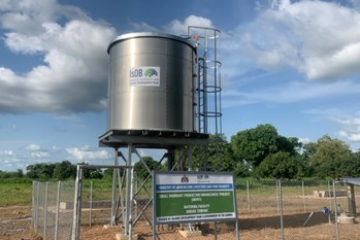
The Jenoi agricultural training centre project represents a practical demonstration of Indonesia's commitment to supporting The Gambia's national development priorities, particularly in advancing food security, agricultural modernization, rural development, and youth empowerment.
For his part, H.E. Arrmanatha C. Nasir, Vice Minister for Foreign Affairs of the Republic of Indonesia, recalled that Indonesia and The Gambia established diplomatic relations on 30 May 1982, with a friendship rooted in the principles of equality and mutual respect set forth in the Bandung Spirit.
H.E. Nasir, head of the delegation, noted that it has been twelve years since their first Joint Commission Meeting in Jakarta in March 2014, adding that Indonesia and The Gambia stand at an important juncture in their bilateral relations.
As fellow democracies of the Global South, he said, their partnership has evolved beyond traditional friendship into one founded on shared aspirations for sustainable development, regional stability, and a more inclusive international order.
However, he emphasised that their objective should not merely be to sustain cooperation, but “to transform our partnership into one that delivers, as well impactful”.
For example, he said: “On trade, our bilateral trade reached USD 61.1 million in 2025, anchored by exports such as CPO, soap, and sardines.”
He also said they would continue to strengthen diplomatic cooperation between their Ministries of Foreign Affairs.
He further highlighted the Gambia-Indonesia association, saying AL-GamIndas will grow into a vibrant platform for academic exchange, professional collaboration, and lasting friendship, further strengthening the people-to-people ties between Indonesia and The Gambia.
He underscored that today's students, researchers, diplomats, and young professionals will become tomorrow's leaders of Indonesia-Gambia relations.
Despite the geographical distance between the two countries and the cross-accreditation of their diplomatic missions through Dakar and New Delhi, he said their bilateral engagement has remained active, resilient, and forward-looking.
As like-minded partners, he noted, Indonesia and The Gambia have consistently supported multilateralism, the United Nations, and the collective voice of developing countries.
He said that they should continue to strengthen their coordination in international fora to advance shared priorities of peace, sustainable development, and equitable global governance.