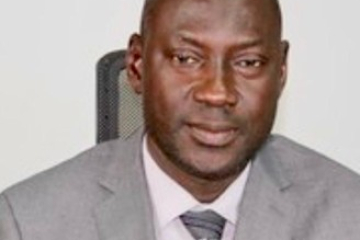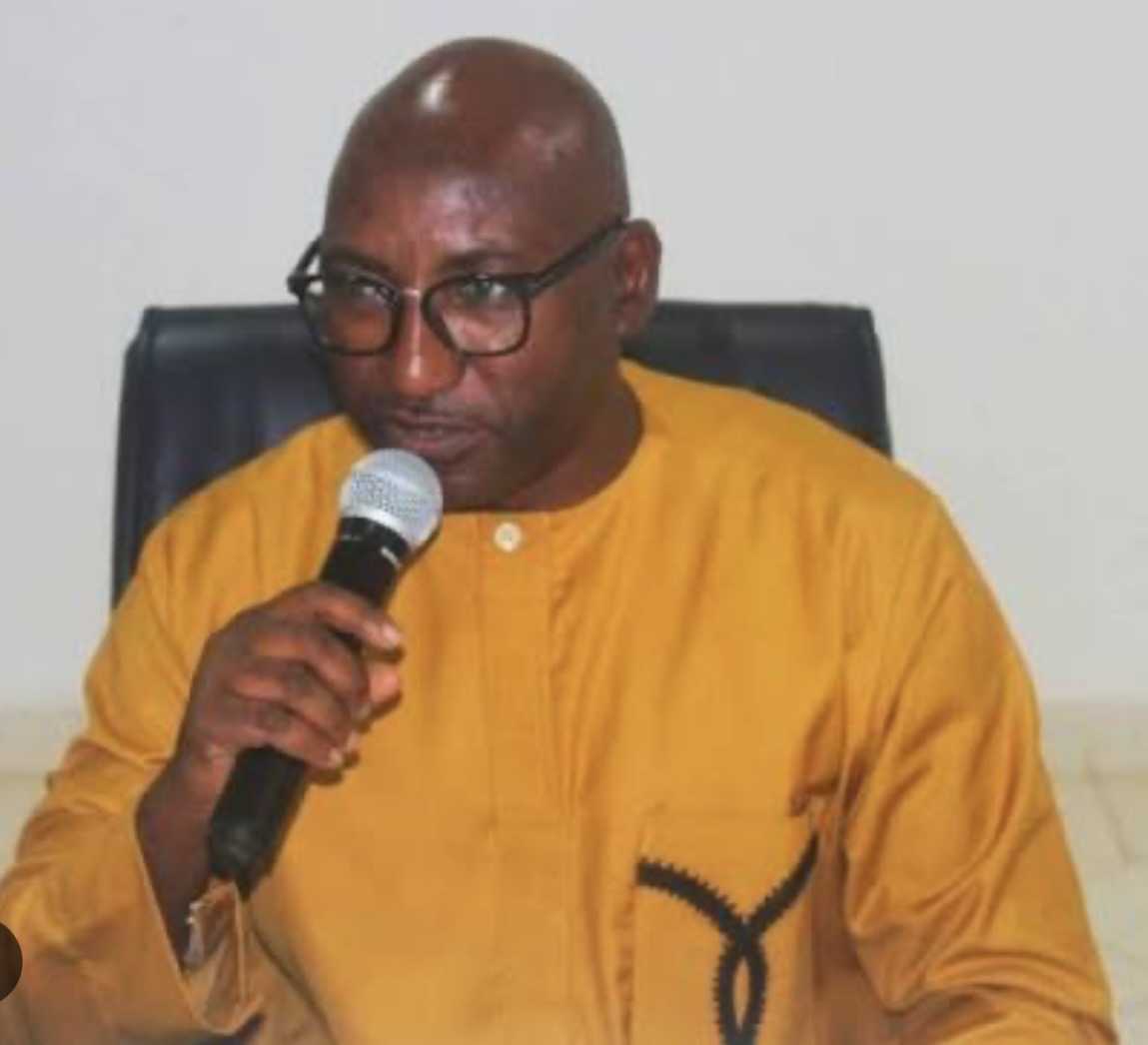
Speaking on QTV’s State of Affairs, Mr Bah said the three cases were handed over to the prosecuting authorities, but the authority is yet to receive a final judgment in any of them.
“For the past six years, we have prosecuted, I know of three,” Mr Bah said.
The disclosure came after he was asked to respond to an audit which, according to the interviewer, indicated that FSQA had not prosecuted anyone under his leadership.
Mr Bah disputed the audit finding, saying the authority had indeed taken three cases for prosecution.
He said the first involved a shop that was allegedly re-bagging rice infested with weevils. The second concerned people who were using tyres to process cow hide around the bushes of Abuko and surrounding areas. According to Mr Bah, some of those involved pleaded guilty, but the case has yet to receive a judgment.
The third case involved mayonnaise that was confiscated by the authority and remains unresolved.
Asked who should be blamed for the lack of judgments, Mr Bah declined to point fingers, saying the matter could be linked to the country’s legal system.
“I don’t know I’m not blaming anybody,” he said.
He explained that FSQA is not responsible for prosecution, but hands cases requiring prosecution over to the prosecuting agency.
“For me, all I can do if something that is supposed to be prosecuted, we are not prosecutors. We hand it over to the prosecuting agency and they do the rest,” he said.
Asked whether he meant the police, Mr Bah responded the police, yes.
The FSQA chief also acknowledged that the authority does not have enough inspectors for the country, although their number has increased from about 20 to 25 when he assumed office in 2020 to nearly 40 currently.
He said the authority relies on risk-based inspection, focusing its limited resources on areas considered to have higher risks.
Mr Bah also admitted that digitalisation remains one of FSQA’s biggest failures, saying the authority has started moving away from paper-based inspections but the system is not yet fully operational.
He identified inadequate resources, including specialised experts and testing laboratory capacity, as another major challenge facing the authority.