The Gambia government has earmarked D1 billion to subsidise electricity tariffs in 2027 as the country continues to grapple with frequent power outages and efforts to stabilise electricity supply.
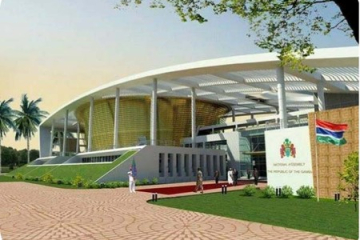
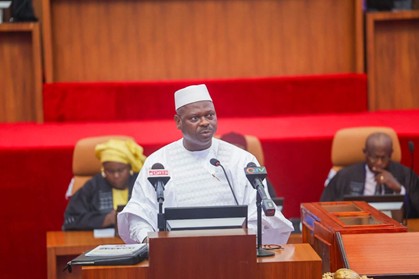
Finance and Economic Affairs Minister Seedy Keita announced the allocation on Friday, October 23, 2026, while presenting the proposed 2027 national budget before the National Assembly.
The minister said the government spent D2.4 billion on electricity subsidies in 2025 and allocated another D1 billion in 2026, of which D500 million has so far been disbursed. The electricity sector also received $13 million in support from the World Bank Group.
The proposed allocation is intended to support electricity tariffs as the government works to address the country’s ongoing power crisis.
Mr Keita said President Adama Barrow had acknowledged the impact of frequent power outages on households and businesses and reaffirmed his administration’s commitment to finding a lasting solution.
“He has established a task force headed by the vice president to address the current electricity crisis that the country is witnessing,” the minister said.
He said the government was exploring measures to stabilise electricity supply, including increasing power imports from neighbouring countries such as Guinea, Senegal and Côte d’Ivoire.
The government is also working to improve domestic electricity generation as part of efforts to strengthen national energy security.
“Furthermore, the Government is working hard to improve on domestic generating capacity in order to address the issue of national energy security,” Mr Keita said.
Frequent power outages have continued to affect households and businesses, making electricity supply a key concern for the government as it prepares its 2027 spending plan.
Beyond the energy sector, the minister said the proposed budget was designed to support national development priorities while maintaining fiscal discipline and managing public debt risks.
He said the government was targeting an overall fiscal deficit of one percent of gross domestic product across all funds, while the deficit for Government Local Funds was projected at 0.05 percent.
Mr Keita added that the government would continue to protect poverty-related expenditure and other priority investments aimed at supporting economic development and improving living standards.
The proposed 2027 budget is subject to debate and approval by the National Assembly.