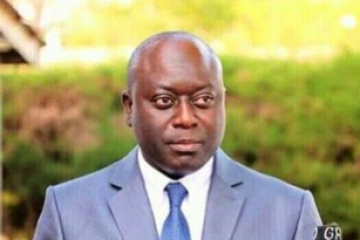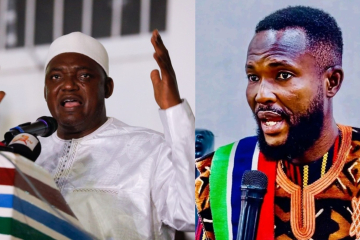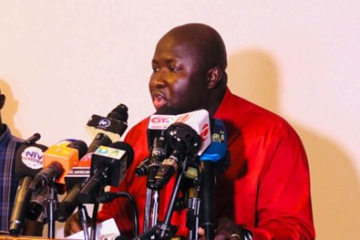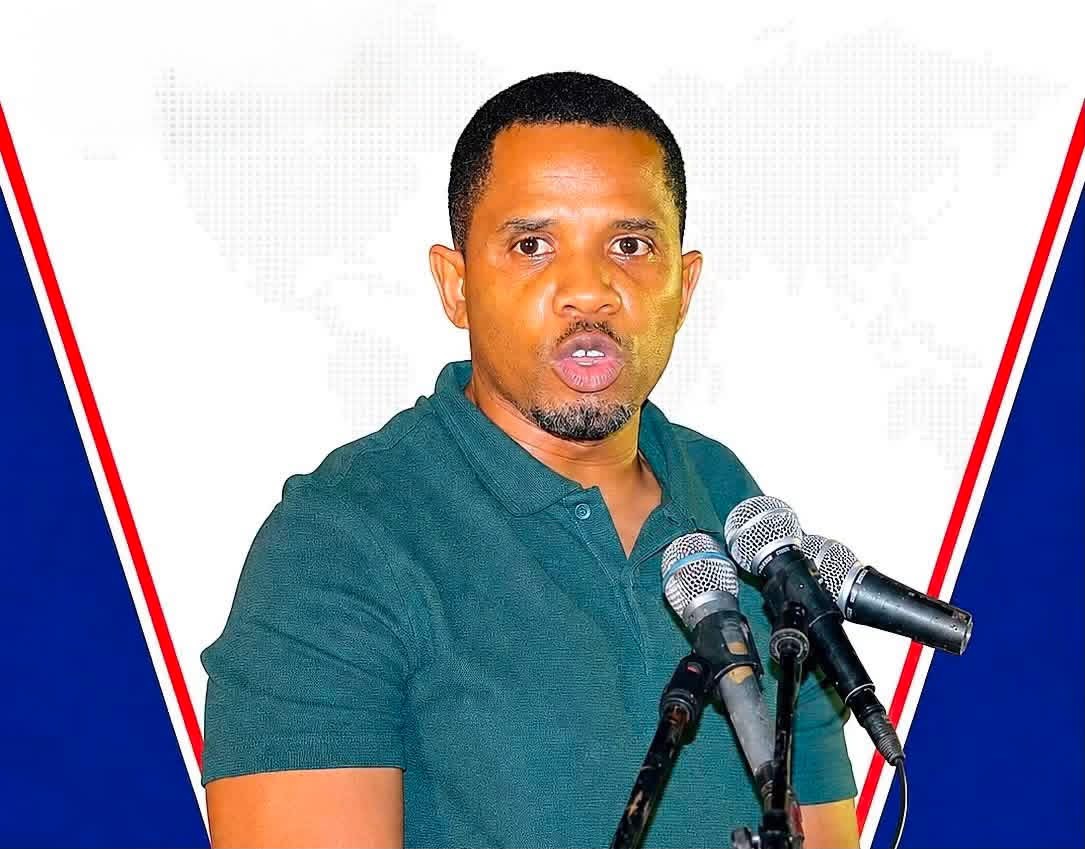
Speaking on Coffee Time with Peter Gomez on Monday, Ceesay said the UDP’s support base was “dwindling” and described the party as being back to its default position.
His comments came as he discussed the latest opinion poll, which showed the UDP moving from 12 percent in the first round to 24 percent in the second round, representing a 12.8 percentage-point increase.
Ceesay said the figures should instead prompt questions about where the UDP’s new support came from.
“The question should be now, why were they at 12% in round one, even being overtaken by the Talib’s?” he said.
He pointed to the sharp fall in undecided voters, from 29 percent in the first round to 16.9 percent in the second, arguing that the UDP appeared to have gained much of that support.
“If NPP and the allied parties moved only 0.6% point and Talib only 1.3% point, and UDP 12.8% point, it means that the UDP took from the undecided voters,” Ceesay said.
However, he stressed that he was not endorsing the poll’s findings, saying opinion polls were only an indication of public opinion and not an electoral verdict.
“I’m here to look at the numbers and let’s make sense of the numbers,” he said.
Ceesay also rejected suggestions that the UDP’s growth should worry the government, insisting that the party remained no threat to the NPP and its allied parties.
“We said in the first opinion poll they were shown at 12%, in this very one, 25% they went back to default position,” he said.
Despite his confidence in President Adama Barrow’s re-election, Ceesay acknowledged that the government faced challenges, including unstable electricity and youth unemployment.
He said the government was working to make electricity more stable, reliable and affordable, while investing in technical and vocational education and youth entrepreneurship.
On the election, Ceesay maintained that President Barrow is going to win and said there was no doubt about his confidence in the president’s victory.