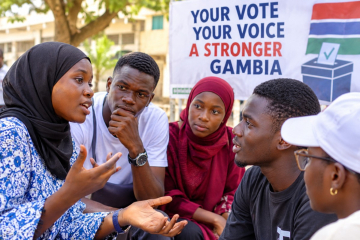
As The Gambia prepares for the December 2026 Presidential Election and the subsequent 2027 electoral cycle, ChildFund International has called on political parties and candidates to put children’s rights, protection and welfare at the centre of their campaign messages and policy commitments.
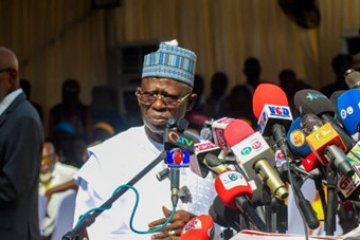
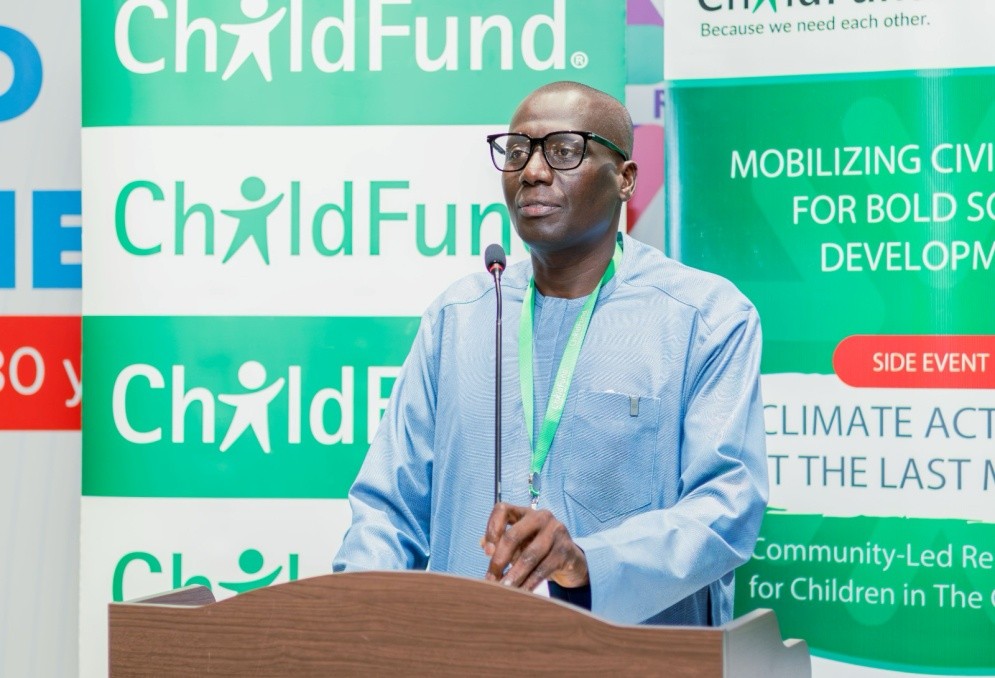
Nfamara Dabo, Interim Country Director of ChildFund International, The Gambia, said elections should not only be about winning power but also about addressing the needs of children, who remain among the most affected by government policies despite having no vote.
In an opinion article titled _Children Must Come First in The Gambia’s Elections_, Dabo noted that as parties refine their messages and citizens prepare to vote, children’s interests must not be overlooked in national political discussions.
He observed that children make up a significant proportion of the population, yet do not vote or directly determine electoral outcomes. Decisions taken by leaders today will have lasting consequences for their access to quality education, healthcare, protection from violence and exploitation, and opportunities for the future.
“For this reason, election campaigns should not only focus on who wins power. They should also focus on how political leaders intend to improve the lives of children,” he stated.
Dabo also warned of the risks children face as political activities intensify. Election periods are often characterised by large crowds, campaign convoys, late-night rallies, heightened emotions and increased movement, which could expose children to avoidable dangers.
He noted that children are frequently seen at rallies and campaign processions, situations that could expose them to injuries, road accidents, separation from caregivers and other inappropriate circumstances.
He stressed that children’s safety, dignity and well-being must remain a priority throughout the electoral period, and that the pursuit of political support must not come at the expense of child protection.
“Children should not be used as tools for political mobilisation, publicity, or demonstrations of support,” he emphasised.
Dabo urged parents and caregivers to know where their children are, who they are with, and what activities they participate in. Keeping children away from overcrowded gatherings and late-night events, he said, is not restricting their civic awareness but protecting them from unnecessary risks.
He also highlighted the responsibility of the media, civil society, religious and community leaders in promoting child protection messages.
Beyond protection, Dabo said the elections are an opportunity for parties to show how they intend to address children’s issues. He urged candidates to make clear commitments on improving learning outcomes, reducing child poverty, strengthening child protection systems, expanding access to quality healthcare, and creating opportunities for children to reach their full potential.
He maintained that children’s issues should not be secondary in manifestos but an essential part of national development priorities.
Reaffirming ChildFund’s commitment to working with government, communities, families and development partners, Dabo called on parties to make children visible in their manifestos, parents to prioritise their safety, and the media to continue highlighting issues affecting them.
“Elections determine who will lead a nation, but the true test of leadership lies in how a society protects and invests in its children,” he stated.