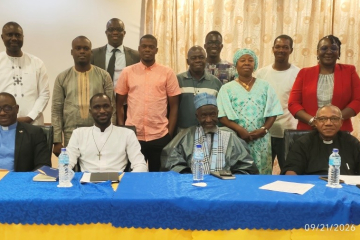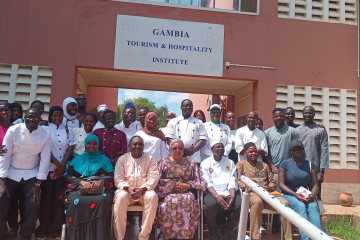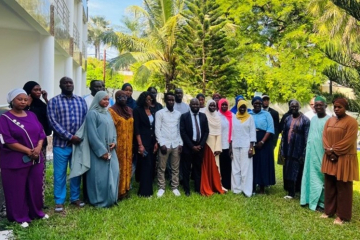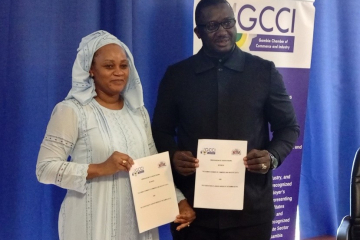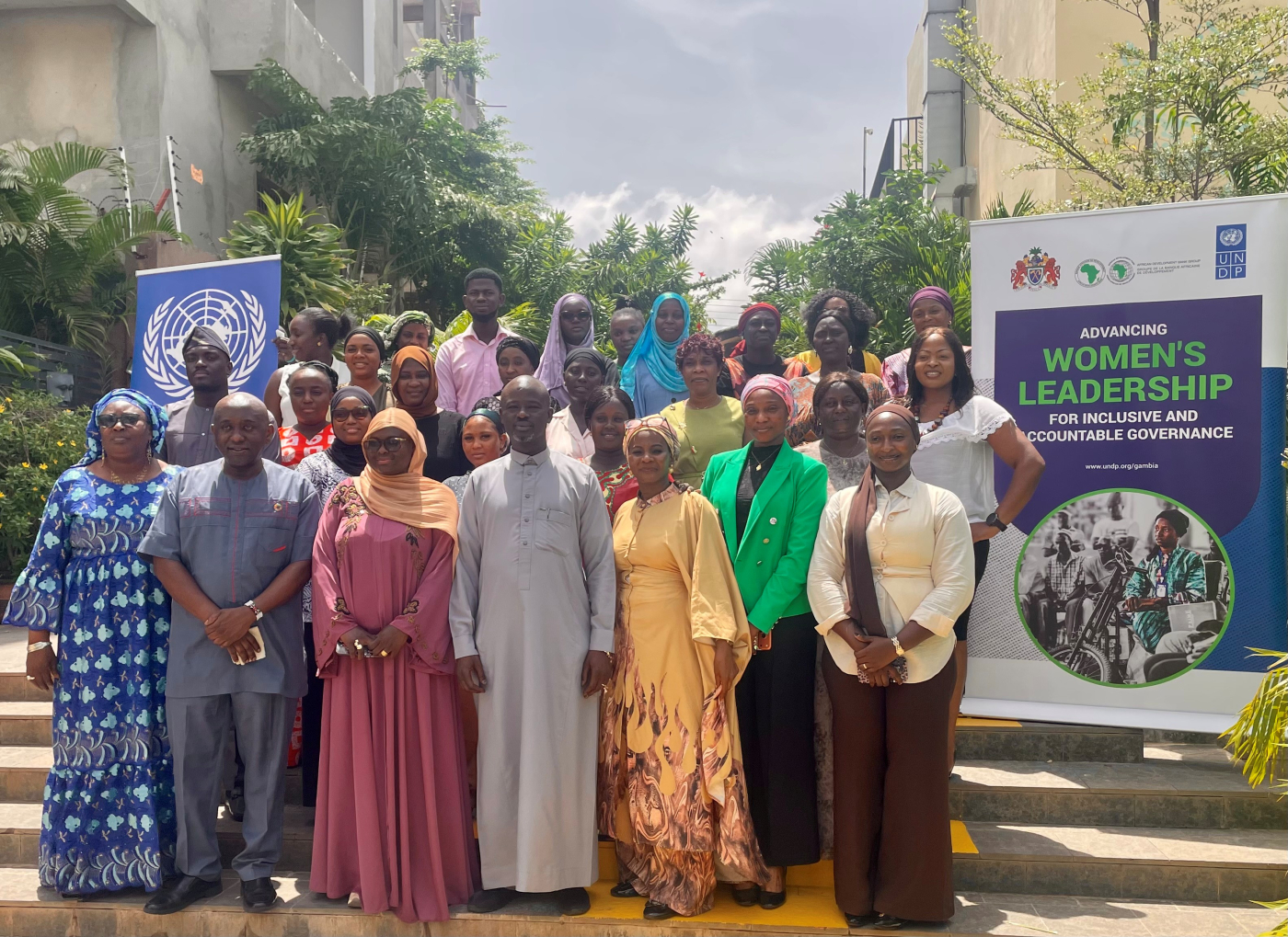
The three-day initiative, supported under the Building Resilient and Inclusive Development for Governance and Equity (BRIDGE) Project, focuses on electoral preparedness, manifesto development, leadership and practical support for women seeking political office.
The move comes as women remain significantly underrepresented in elected positions despite making up 51 per cent of the country’s population and 57 per cent of registered voters.
At the opening ceremony, UNDP Project Manager Thomas Kimaru, speaking on behalf of the Country Representative, decried the low representation of women, disclosing that only three women were elected to the National Assembly and 17 as Councillors in the 2022 elections.
Kimaru said the programme seeks to create an inclusive and supportive environment that enables aspiring female candidates to participate effectively in the country’s political landscape.
The initiative, he added, is intended to move beyond simply increasing the number of women contesting elections by helping them engage communities, understand their priorities, build networks, develop citizen-responsive manifestos and effectively use traditional and digital platforms.
“A key component of the initiative is the pairing of each aspiring female candidate with a young volunteer who will provide support before, during and after the elections,” Kimaru said.
He said the volunteers bring energy, innovation and grassroots connections that can strengthen campaign outreach and community engagement, while encouraging young people to move from observing public life to actively shaping it.
WILL Communications Officer Fatoumata Sanneh said the initiative was necessary because, despite years of conversations and training on women’s political participation, the numbers have remained low.
She questioned what happens when women decide to enter politics — who supports them, prepares them and makes political spaces accessible to them.
Sanneh said women are already leading communities, organising, running businesses, advocating for families and communities, building movements and solving everyday problems. The challenge, she said, is creating pathways for such leadership to translate into meaningful participation in formal political spaces.
Permanent Secretary at the Ministry of Gender, Children and Social Welfare, Ambassador Habib T.B. Jarra, said aspiring women politicians continue to face barriers including limited financial resources and political networks, inadequate leadership opportunities, gender-based violence and harassment, restrictive social and cultural norms, and underrepresentation in decision-making structures.
He urged political parties, civil society organisations and grassroots groups to support mentorship strengthen women’s capacities and expand their access to networks and resources.
Jarra said women’s political participation should also be accompanied by safety, dignity and economic security, stressing that addressing gender-based violence and other structural barriers must remain central to efforts to advance women’s leadership.