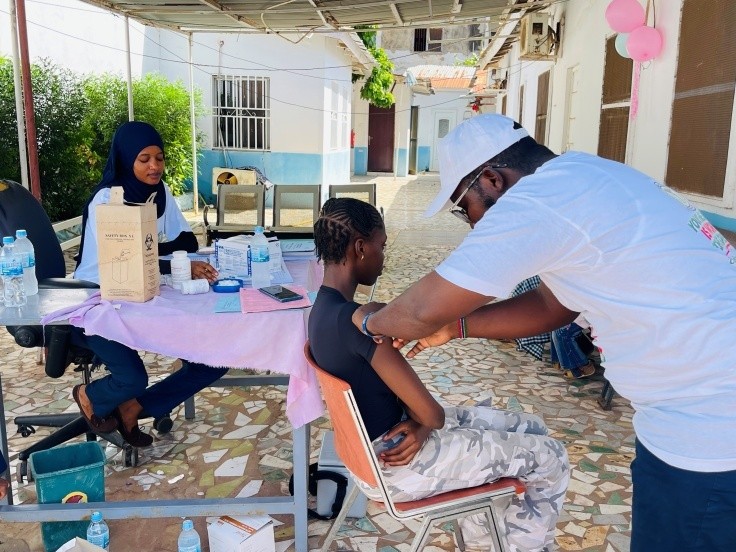
The programme seeks to provide women with access to cervical cancer screening while protecting girls aged between nine and 14 against HPV, the virus responsible for the vast majority of cervical cancer cases.
Speaking during the exercise, DrRaysa Quintero, Medical Director and Head of General Surgery at Senela Clinic, said the initiative was designed to identify cervical abnormalities at an early stage and improve women's chances of receiving timely treatment.
"Today, we organised a screening programme for women to detect any lesions or signs of cervical cancer and related conditions," Dr Quintero said.
She explained that HPV accounts for approximately 90 per cent of cervical cancer cases worldwide, making vaccination one of the most effective preventive measures available.
According to Dr Quintero, cervical cancer remains highly prevalent in The Gambia, with many patients seeking medical attention only when the disease has reached an advanced stage, significantly reducing treatment outcomes.
"The best form of medicine is prevention," she stated.
At Senela Clinic, women participating in the programme receive free medical consultations and colposcopy examinations. Dr Quintero noted that screening helps detect both cancerous and pre-cancerous conditions, as well as infections, polyps and other health concerns that can be treated before becoming serious.
Meanwhile, Dr Rachel Guedes, a gynaecologist at the clinic, urged women not to ignore symptoms such as abnormal bleeding, unusual discharge or pain during sexual intercourse, warning that these could be signs of cervical cancer or other infections.
She also encouraged women of reproductive age to undergo regular screening, emphasising that an abnormal screening result does not automatically mean a person has cancer.
"The purpose of screening is not only to diagnose cancer but also to identify potential problems at an early stage, when treatment is most effective," she explained.
DrGuedes expressed hope that the initiative would encourage women to make cervical cancer screening a routine part of their healthcare, even when they are not experiencing symptoms.
Also speaking at the event, Ebrima Dibbasey, Immunisation Officer at Senela Clinic, said the HPV vaccine has now been incorporated into routine immunisationprogrammes and primarily targets girls aged between nine and 14 years.
He urged parents and guardians to overcome misconceptions surrounding vaccinations, assuring them that the vaccines are safe, effective and thoroughly tested.
"The HPV vaccine provides vital protection against the virus responsible for most cervical cancer cases and can help save lives in the future," he said.
One of the beneficiaries, Mariama Sanyang, commended the clinic for offering the free screening service, describing it as an important opportunity for women to take charge of their health.
"I encourage all women to take advantage of free screening opportunities because early detection can lead to timely treatment before a condition becomes serious," she said.
Health experts continue to emphasise that regular screening and HPV vaccination remain among the most effective tools in reducing cervical cancer cases and improving women's health outcomes across The Gambia.