The Economic Community of West African States (ECOWAS) has urged political parties, civil society organisations, religious leaders, the media and other stakeholders to work collectively to safeguard peace and stability in The Gambia ahead of the December 5 presidential election.
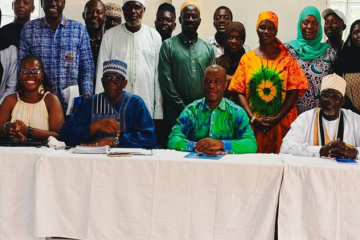
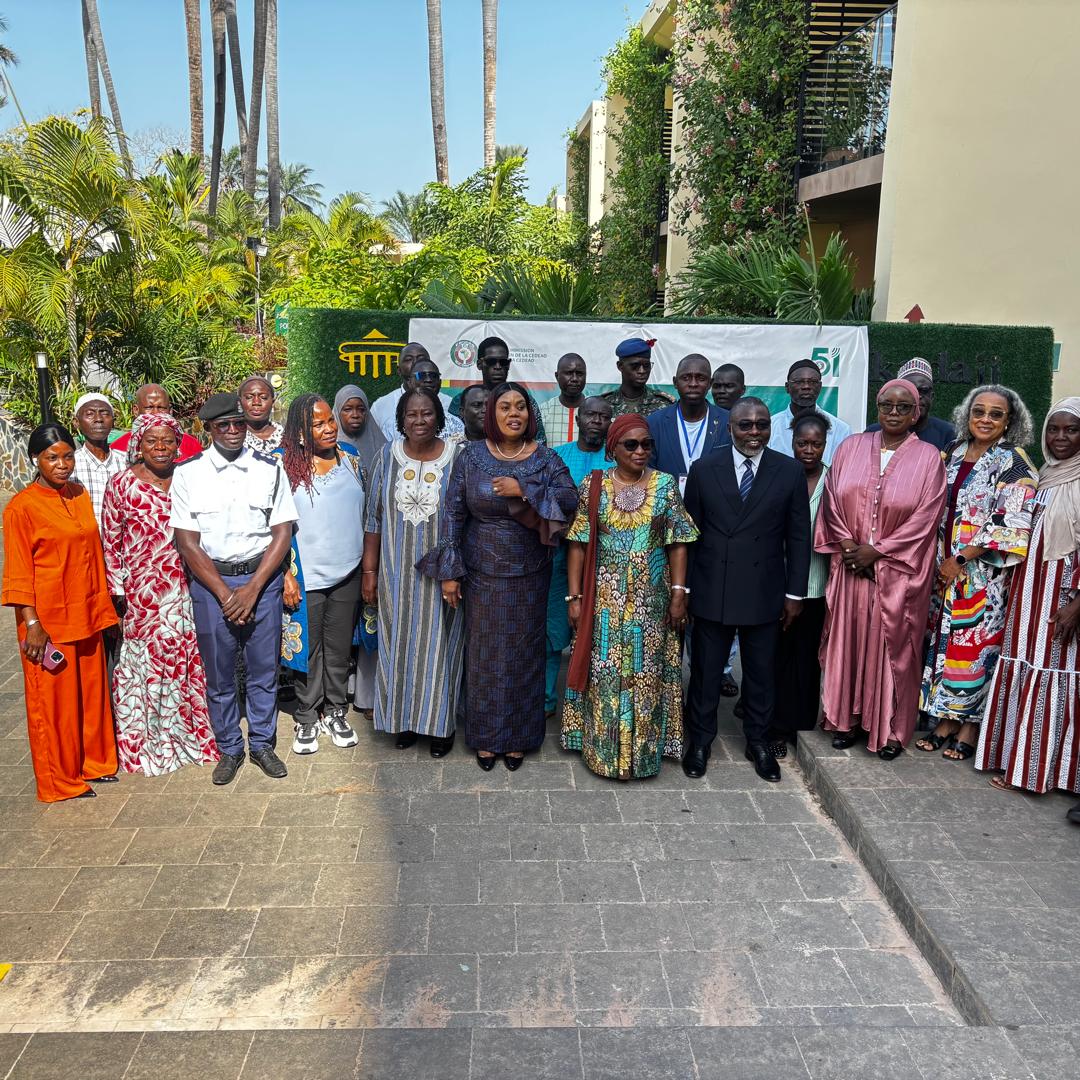
The call was made on Tuesday during an ECOWAS Commission Dialogue, Mediation and Interactive Engagement with Peace Actors and Stakeholders in The Gambia, held at Bakadaji Hotel. The engagement, scheduled from November 10 to 13, 2026, seeks to strengthen collaboration, promote inclusive participation, enhance mediation efforts and support peacebuilding, democracy and stability in the country.
Speaking at the opening ceremony, ECOWAS Resident Representative and Head of Mission to The Gambia, H.E. Mrs Namizata Meita Sangare, said the country’s electoral environment faces challenges, including political polarisation, inflammatory speech, misinformation and disinformation.
She said these challenges, coupled with the need to strengthen the participation of women and young people, require collective responsibility and a conducive environment for peaceful democratic processes.
Mrs Sangare emphasised the importance of dialogue, mediation, preventive diplomacy and early-warning mechanisms in addressing potential electoral tensions before they escalate into conflicts.
She called for the active participation of all stakeholders, including political parties, electoral institutions, civil society organisations, religious leaders, women, young people, the media and community opinion leaders, noting that each has an important role in preserving peace and public confidence in the electoral process.
She urged participants to use the engagement to share experiences and develop practical recommendations that could translate into preventive actions.
According to her, elections are not the sole responsibility of electoral institutions or political leaders but a collective national responsibility.
She also encouraged political and community actors to embrace tolerance, reject inflammatory rhetoric and misinformation, and place the national interest above partisan considerations.
“The ultimate victory must not belong to one political party. It must belong to the Gambian people, our democracy and our collective future,” she stressed.
Also speaking, Dr Onyinye Onwuka, Head of the Division of Mediation and Coordination of Regional Political Affairs at the ECOWAS Commission, described the engagement as particularly significant as The Gambia prepares for its forthcoming presidential election.
She said the quality of an electoral process should not be measured only by the conduct of voting but also by citizens’ confidence in institutions, inclusiveness of participation and the peaceful management of political competition.
Dr Onwuka said ECOWAS’ commitment to member states goes beyond election periods, explaining that the regional body supports democratic institutions, strengthens national capacities, facilitates political dialogue and works to prevent situations that could undermine stability.
She highlighted ECOWAS’ previous engagements in The Gambia, including a joint ECOWAS, African Union and United Nations pre-electoral assessment mission in June 2026, which engaged national authorities and electoral stakeholders to identify potential risks and recommend measures for peaceful and credible elections.
She further underscored the importance of the media and civil society in promoting responsible public discourse, countering misinformation and ensuring citizens remain informed throughout the electoral process.
Dr Onwuka clarified that ECOWAS was not in the country to influence electoral choices or outcomes but to accompany, facilitate and support a peaceful democratic process driven by national ownership.
She urged participants to approach the discussions with openness, mutual respect and a strong sense of collective responsibility.