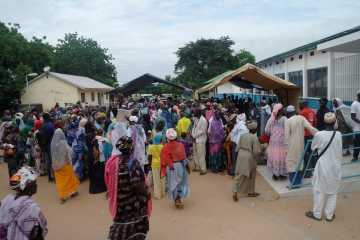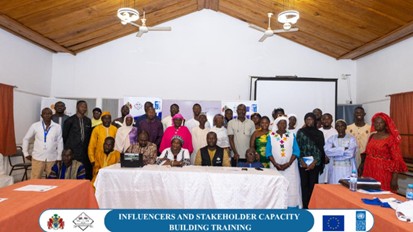
Welcoming participants on behalf of the NCCE, Programme Manager Ansumana Ceesay underscored the importance of equipping youth leaders, women’s groups, religious figures, civil society organisations, social media influencers, and political representatives with the tools to promote accurate information and counter misinformation during the 2026 electoral cycle.
“Democracy thrives when citizens are informed, engaged, and committed to dialogue rather than division,” Ceesay declared.
The training spans all seven administrative regions of The Gambia, with two sessions each in URR, CRR, NBR, LRR, and WCR, and one session in Greater Banjul Area (KM & BJL). A total of 495 participants are expected to benefit, reflecting NCCE’s commitment to inclusivity and nationwide engagement.
As the 2026 presidential elections approach, the initiative arrives at a critical juncture. Elections often heighten public participation but also amplify risks of misinformation, intolerance, and hate speech—factors that threaten peace and democratic progress. The training emphasises tolerance, respectful dialogue, and responsible communication, ensuring that marginalised groups such as youth, women, and persons with disabilities are empowered to contribute meaningfully to credible and peaceful electoral participation.
NCCE expressed gratitude to the EU‑UNDP GREAT Project Initiative for its support, noting that the partnership will help strengthen influencer networks for inclusive civic engagement across the country.
Councilor for London Corner, Agie Saptieu Jeng, highlighted the importance of the training, stressing that it will enhance participants’ ability to engage communities effectively. Meanwhile, Yankuba Jatta, Community Development Officer for Kanifing Municipality, commended the NCCE’s foresight, noting that the programme will equip participants with the skills to harness social media as a tool for sharing credible information and fostering civic participation.
The initiative reflects NCCE’s determination to empower citizens and ensure that the electoral process is marked by transparency, inclusivity, and peaceful engagement. Participants are encouraged to actively engage, share experiences, and take the knowledge gained back to their communities. Their role as influencers is seen as vital in ensuring accurate information reaches citizens, fostering civic responsibility, and safeguarding democracy.
The programme concluded with a resounding call to action: “Let us work together to promote peace, accountability, and a culture of dialogue.”