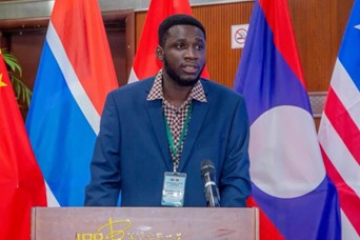
NCCE Programme Manager, Ansumana Ceesay, underscored the importance of the sessions in strengthening citizens’ understanding of the Elections Act 2025 and addressing challenges such as misinformation, hate speech, and divisive narratives.
“Democracy thrives when citizens are informed, engaged, and committed to resolving differences through dialogue rather than division,” Mr Ceesay stated.
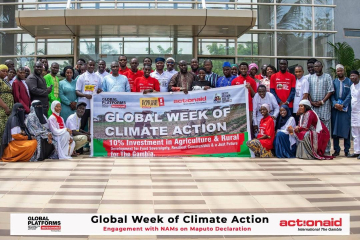
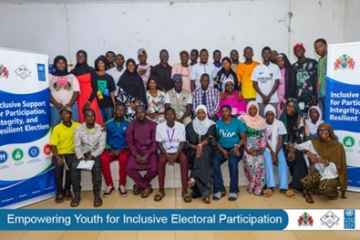
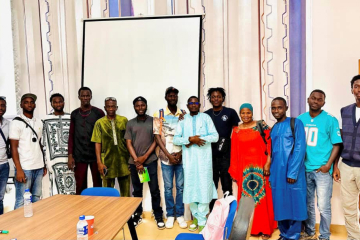
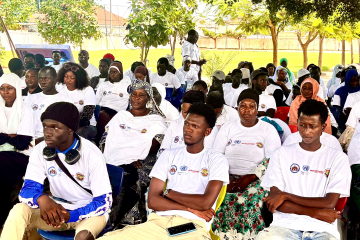
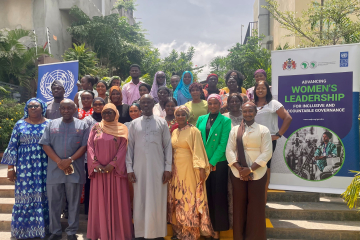
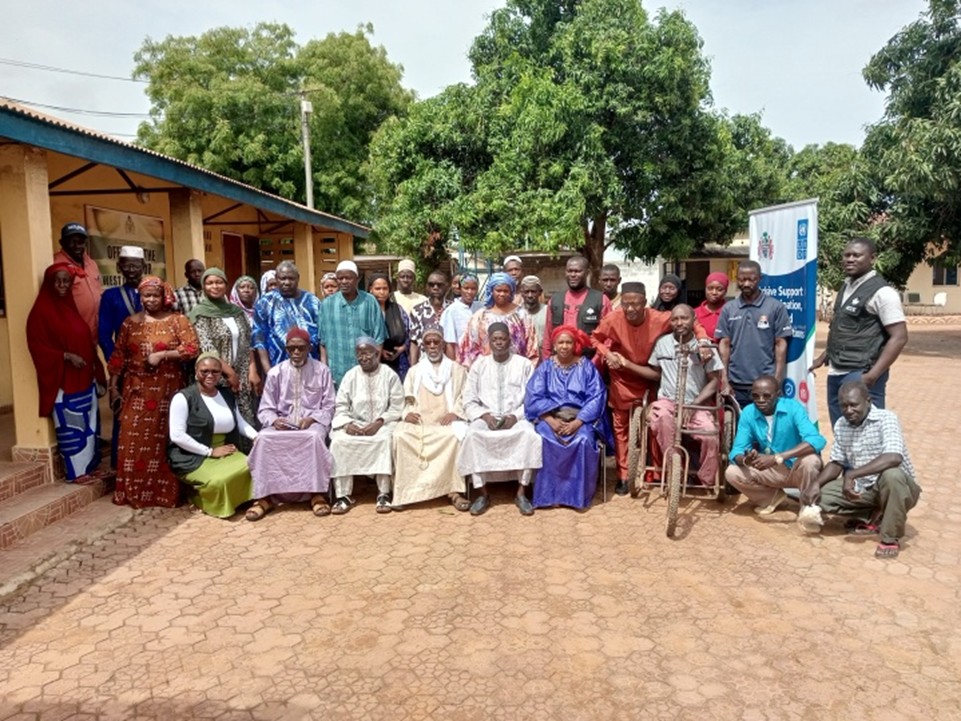
The programme engaged 450 participants, including local and traditional authorities, youth leaders, women representatives, persons with disabilities, civil society organisations, religious leaders, influencers, government officials, and ward councillors. Two training sessions were conducted in each region, reflecting NCCE’s commitment to inclusivity and nationwide participation.
Mr Ceesay emphasised the Council’s dedication to empowering marginalised groups—particularly youth, women, and persons with disabilities—to contribute meaningfully to credible and peaceful electoral participation ahead of the 2026 presidential election and beyond. He stressed that peaceful elections are not the responsibility of institutions alone but require the active involvement of citizens, political actors, community leaders, media practitioners, and civil society organisations.
In his closing remarks, Mr Ceesay expressed gratitude to development partners, especially the United Nations Development Programme (UNDP), whose support under the Inclusive Support for Participation, Integrity, and Resilient Elections (INSPIRE) initiative was instrumental in making the programme possible.
“Together, we can ensure that our electoral processes remain a source of unity and progress for our nation,” he concluded.
Sheriffo Jatta, Alkalo of Giboro Kunta, described the initiative as timely, stressing that “peace is priceless.” He encouraged participants to share the knowledge gained during the training sessions for the benefit of society and the nation at large.
Haddy Jammeh, youth representative of the West Coast Region (WCR), highlighted the critical role of young people in maintaining stability. She noted that political participation should not be a source of division, adding that all political parties ultimately share the goal of developing the country.
Their remarks reflect ongoing efforts by local leaders and youth groups to promote tolerance, civic responsibility, and peaceful coexistence as the election season approaches.