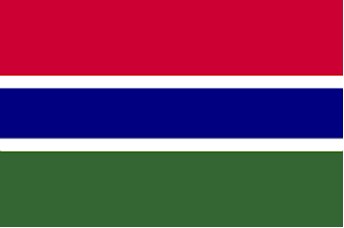
The youth of The Gambia are the asset of the country that deserve maximum protection now and for the future.
Among other things, youth protection involves safeguarding young people from social vulnerabilities, drug threats like Kush, and legal injustices.
Thus, empowering young people through social safety nets is key to developing the country.
Vulnerable Support: The Vulnerable Youth and Women Support Project (VYWOSP) works to improve rural jobs and basic social services for out-of-school youth.
National Policy: The National Youth Policy 2019-2028 provides frameworks for social safety nets, mental health, and employment.
Social Security: Efforts expand informal sector coverage to protect young workers and entrepreneurs.
Substance Abuse: The influx of synthetic drugs like "Kush" poses a severe health and security crisis threatening the potential of young Gambians.
Justice and Custody: Civil groups actively demand transparent legal protections, independent investigations into custody abuses, and safety from police harassment.
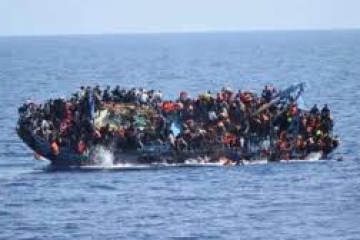
Unsafe irregular migration and lack of documentation remain major protection challenges for youth on the move.
Self-organised neighborhood watch and vigilante groups help counter local property crime.
In July 2026, The Gambia officially launched the Vulnerable Youth and Women Support Project (VYWOSP) via the National Social Protection Secretariat to improve livelihoods, economic inclusion, and basic social services for rural and out-of-school youth. Concurrently, national frameworks and local community programs focus heavily on youth safety, social protection, and active civic participation.
They expand safety nets and social security access, targeting vulnerable groups including informal and rural youth.
Local youth groups coordinate neighborhood watch initiatives, partner with the Gambia Police Force on community policing, and address environmental and maritime conservation.
High unemployment and limited financial infrastructure leave many young people exposed to poverty and unsafe irregular migration.
The rising prevalence of dangerous synthetic drugs like "Kush" poses a severe public health and security threat to urban and peri-urban youth.
Out-of-school adolescents face risks related to inadequate legal tracking, child labour, and limited mental health infrastructure.
Vulnerable Youth and Women Support Project targets rural and out-of-school populations to improve livelihoods and basic services access.