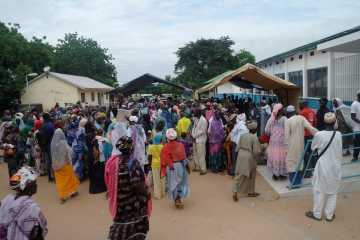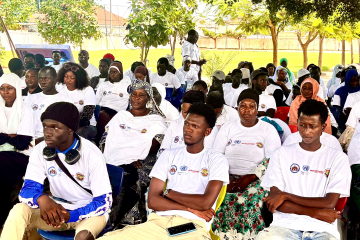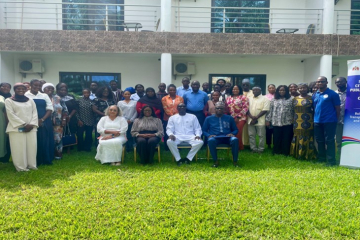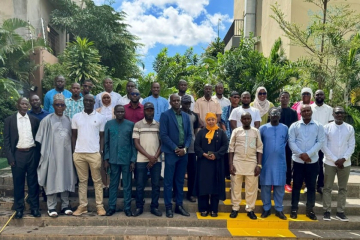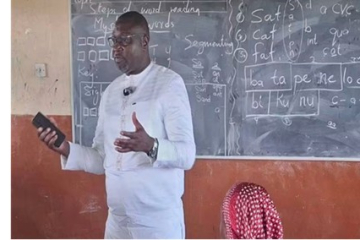
NAFAA, which is currently awaiting approval from the Independent Electoral Commission (IEC) to be formally registered as a political party, was conceptualised in 2016 by a group of young Gambian professionals drawn from diverse fields. The movement says it is driven by a shared vision of economic freedom, good governance and national development rooted in Gambian cultural values.
Speaking to this reporter, Mr Allen said NAFAA is committed to pursuing policies that promote self-reliance, wealth creation and the protection of fundamental human rights. He stressed that economic sovereignty remains central to the movement’s political philosophy.
According to him, achieving true economic independence would require The Gambia to take control of key strategic sectors such as food production, energy and technology, thereby reducing over-dependence on foreign aid while empowering local industries and communities.
Mr Allen added that NAFAA intends to introduce practical and achievable policies aimed at boosting domestic production, ensuring fair management of national resources and strengthening independent fiscal and monetary control.
He argued that The Gambia remains trapped in what he described as an “extractive and paternalistic colonial architecture”, sustained by local collaborators, noting that national sovereignty has been compromised, including in the area of security, which he said is heavily reliant on foreign protection.
The NAFAA leader further called on politicians to move away from tribal and personality-based politics and instead embrace a people-centred, solution-driven political culture focused on national development.
He revealed that a NAFAA-led government would prioritise institutional reforms, including strengthening the justice system and enforcing strict anti-corruption measures to enhance transparency and accountability.
Mr Allen, a youth leader, philanthropist and academic, said he has dedicated his life to promoting academic excellence and social justice, adding that these values would guide NAFAA’s leadership and policy direction if entrusted with power.