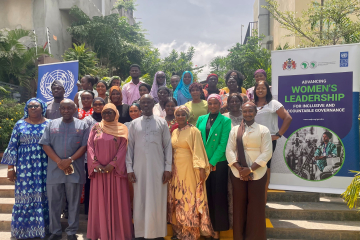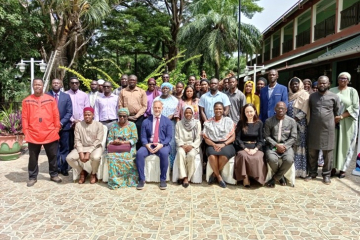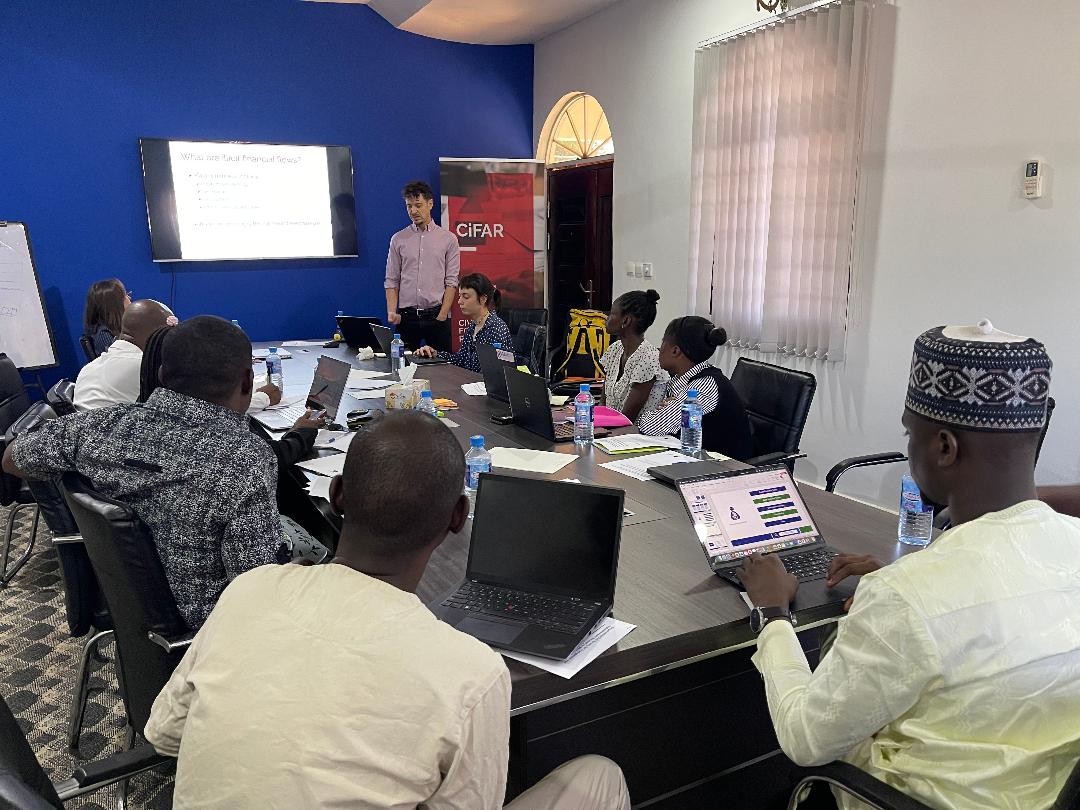
At the opening ceremony, Agatino Camarda, director and co-founder of CiFAR, explained that GiFAR principles were adopted in 2017 by several countries during a global asset recovery confab that CiFAR attended and contributed to.
Camarda described the ten principles as a milestone for asset recovery efforts worldwide and for the first time, there is a global policy instrument that both governments and civil society organisations could use to improve transparency and accountability.
He indicated that transparency in asset recovery is still rare, as citizens in many countries are often left without clear information on what happens to recovered assets.
Camarda also highlighted the importance of civil society participation in asset recovery, saying this has long been advocated for and is now recognised under the GiFAR principles.
He, however, reminded that African countries still face serious challenges in enforcing this standard due to technical, institutional and legal constraints.
Asset recovery, he explained, is a slow process that can take years, especially when assets are held abroad, while many institutions lack the capacity to investigate, prosecute and manage returned funds.
Marr Nyang, Executive Director of Gambia Participates, disclosed that the training aims to help participants understand existing gaps and build the technical skills needed to address them.
He described illicit financial flows as a complex and constantly evolving issue, requiring both civil society and state actors to continuously update their methods to identify, trace and address them.
Nyang said part of the training will examine Gambian laws on asset recovery, highlighting past concerns over how recovered assets were disposed of.
He stated that about one billion dalasis was realised from asset sales in 2019, yet there was no specific law guiding how the money should be spent.
The funds, he added, were placed in the Consolidated Revenue Fund and spent, later raising questions about accountability.
He added that CAPAR provides principles on how recovered assets should be managed to ensure they benefit victims of corruption.
Weak institutions, silent laws and lack of transparency, Nyang warned, continue to fuel public distrust.
Also speaking at the event, Liza Helies of the SecFin Africa Hub, underscored the role of civil society in detecting financial crime and ensuring recovered assets are returned for public benefit.
She described the workshop as the first step in a longer regional program, aimed at embedding asset recovery knowledge locally so the work can continue beyond international support.