ChildFund has called for increased investment in community-led climate initiatives, warning that limited funding continues to prevent successful local environmental projects from expanding across The Gambia.
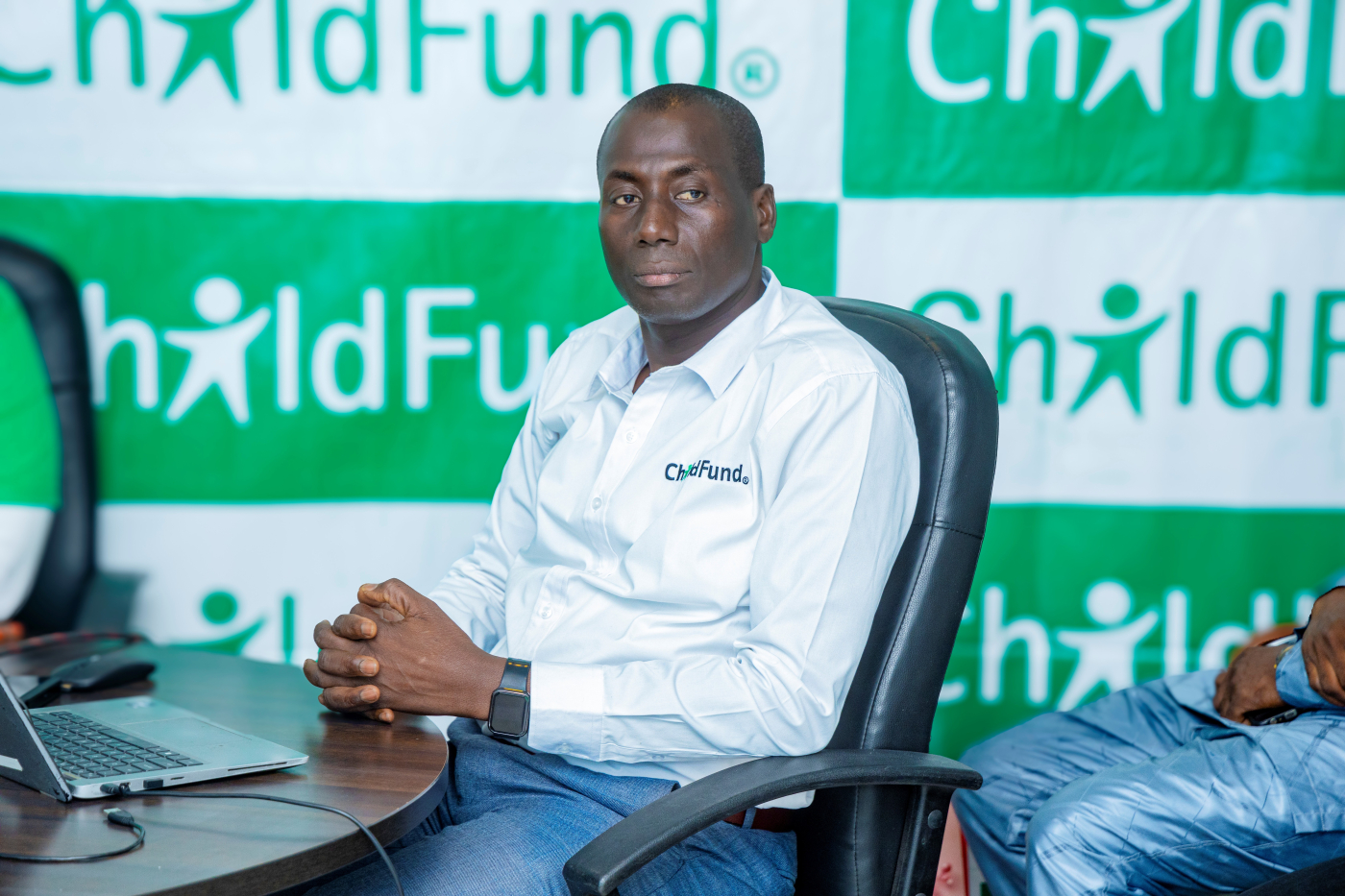
Famara Darboe, Acting Country Director of ChildFund The Gambia, made the call on Tuesday, October 13, 2026, during a side event on climate action and community-led resilience for children, held alongside the ongoing NGO Coalition for Social Development Summit at the Sir Dawda Kairaba Jawara International Conference Centre in Bijilo.
Darboe said community-led approaches can deliver lasting environmental and social benefits when adequately supported, stressing the need for partnerships to strengthen climate resilience and protect children and families.
“Over the years, ChildFund has invested in initiatives that connect environmental restoration with child wellbeing and family resilience,” he said, citing community forestry, mangrove restoration, youth engagement and school-based environmental programmes.
He noted that these initiatives have demonstrated how climate action can restore ecosystems, improve livelihoods and create opportunities for young people to contribute to sustainable development.
However, Darboe said many community-led initiatives continue to operate on a limited scale due to insufficient investment and lack of sustainable long-term financing.
“Communities demonstrate innovation and impact, but lack the resources necessary to expand sustainable models,” he said, urging stakeholders to move beyond discussions and establish meaningful partnerships to scale evidence-based solutions.
He said ChildFund is strengthening collaboration with environmental organisations, government institutions and local communities to integrate ecosystem restoration, water security, livelihood enhancement and child protection into sustainable development efforts.
Isatou Keita, Communications Specialist at ChildFund The Gambia, said the organisation has supported more than 500,000 children directly since its establishment in the country, while implementing many of its programmes through local partners. She said ChildFund’s interventions cover child protection, education, water, sanitation and hygiene, food security, livelihoods, health, nutrition and environmental sustainability.
Keita highlighted tree planting initiatives, including programmes in which sponsored children plant trees in recognition of their sponsors, describing environmental protection as a key component of the organisation’s work to safeguard children’s futures.
Meanwhile, Momodou Enkeh Bah, President of the Gambia Environment Alliance and founder of the Community Action Platform on Environment and Development, said collaboration among environmental organisations is necessary to amplify their voices and achieve wider impact. He said the alliance brings together between 50 and 60 environmental civil society organisations working in restoration, recycling and environmental protection.
Bah stressed the need to move beyond tree planting towards tree growing, with sustained attention to the survival of planted trees and the restoration of wetlands and biodiversity.
Sulayman Njie of Green Earth also emphasised environmental education, saying planting trees without adequate follow-up and maintenance limits their long-term benefits. He said his organisation is training teachers and promoting environmental education to encourage behavioural change and help communities take ownership of local projects.
Njie added that community-driven initiatives are more likely to succeed when residents, schools and local organisations are involved in their planning and implementation.
The speakers called for stronger partnerships, technical support and sustainable financing to ensure community-led climate initiatives deliver lasting benefits for children, families and future generations.