“We often walk long distances under the hot sun just to reach school. By the time we arrive, we are already exhausted, and this affects our concentration in class,” one student lamented.
“I wake up at 5 a.m. to prepare, and by 6 a.m. I’m already walking,” says Mariama, a 17-year-old student from Kiang Masembeh. “By the time I reach school, I’m tired, and sometimes I miss the first lesson.”
Her friend Lamin adds, “We often walk in groups for safety, but when the rains come, the roads are flooded. Some of us stay home because it’s impossible to cross.”
These stories reflect the daily reality of rural students across the country, where transport challenges are a major barrier to education.
Bicycles Help, But Not Enough:
Recent initiatives have distributed bicycles to students in remote areas. While helpful, they are not a complete solution. “My bicycle broke down last month, and I had no money to repair it,” explains Ebrima, a Grade 9 student. “Since then, I’ve been walking again.”
NGOs like Child Fund and UNICEF have stepped in, but students say the need for school bus programs remains urgent.
The Call for a Bus:
Community leaders in LRR argue that a dedicated bus service could transform education outcomes. “A school bus would mean fewer dropouts, better attendance, and improved performance,” says Alhagie, a village elder. “It would also give parents peace of mind knowing their children travel safely.”
Observers note that providing school buses could significantly reduce dropout rates and foster a more inclusive learning environment. The students’ call is also seen as a sign of growing student advocacy in the region, as young people increasingly raise their voices on issues affecting their future.
Community leaders have echoed the students’ concerns, urging the government to prioritize investment in rural infrastructure as part of its commitment to equitable education.
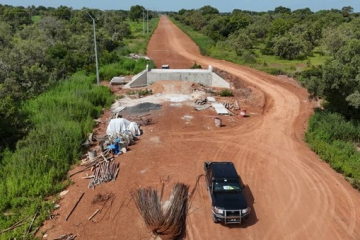
The appeal underscores broader concerns about access to education in rural areas, where poor road networks and limited public transport options continue to hinder students’ learning opportunities.