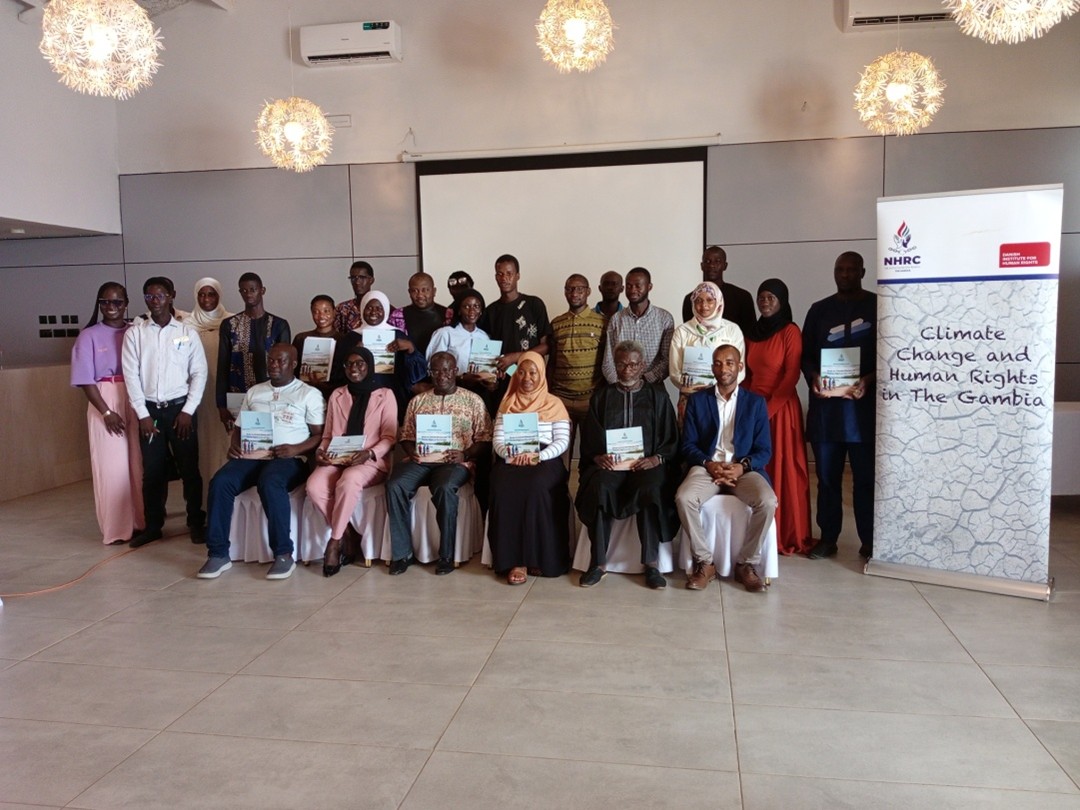
The National Human Rights Commission (NHRC) has underscored the urgent need to address the devastating impact of climate change and human rights, calling for stronger policies, accountability, and collaboration among all stakeholders.
Speaking at the popularisation of NHRC Climate Change and Human Rights Study 2025, Commissioner Njundu Drammeh described climate change as “an existential threat to our survival on earth,” stressing that every individual and institution has a role to play in mitigating its effects.
The NHRC presented findings from a study conducted last year, which examined how climate change is affecting communities across The Gambia. The research highlighted the experiences of men, women, persons with disabilities, and other vulnerable groups, who reported severe disruptions to their livelihoods due to rising temperatures, erratic weather patterns, and the adverse effects of El Niño.
Commissioner Drammeh emphasised that the state, as the primary duty bearer, must ensure that laws, frameworks, and policies are not only in place but effectively implemented. “Policies and strategies should not become scarecrows mere symbols without real impact,” he warned.
The Commissioner also called for stronger collaboration between the NHRC, civil society organizations, and climate justice activists. “We must amplify the voices of communities at the highest level, ensuring that those responsible for decision-making hear and act on their concerns,” he said.
Barisu Bah, Director of Legal and Investigation, emphasised that while the NHRC’s initial mandate focused on civil and political rights, its scope has expanded to include environmental concerns due to their direct link to human rights.
“Human rights are broad in nature, and climate change though often overlooked in this context has significant consequences on rights such as food, water, health, and even life itself,” Bah explained.
Bah noted that these findings highlight the vulnerability of marginalized groups, especially persons with disabilities, who “tend to suffer more in terms of the consequences of climate change on human rights.”
Bah stressed: “We cannot stop storms or floods from happening, but we can provide accurate warnings and implement measures to reduce their impact on people’s lives.”
The discussions focused on key questions: Are current measures adequate? What must change? What should communities, individuals, and institutions do collectively to mitigate the impact of climate change? And most importantly, who bears the greatest responsibility to protect human rights in the face of this global crisis?
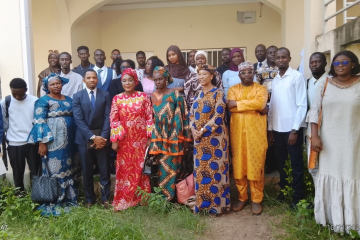
NHRC expressed gratitude to its research team, including the Director of Legal and Investigation, the Director of Communication and Media, and senior monitoring officers, as well as civil society representatives who attended the event.
The Commission concluded by urging stakeholders to strengthen existing measures, enact and enforce effective laws, and ensure that climate policies translate into real protections for people’s rights.