The Institute for Human Rights and Development in Africa (IHRDA), in collaboration with the Gambia Press Union (GPU) and with support from UNICEF, has called for children's rights and ethical reporting to be integrated into journalism education to strengthen responsible media coverage of issues affecting children in The Gambia.
The call was made during a roundtable on Mainstreaming Children's Rights and Ethical Reporting in Journalism Education, organised under the project Strengthening Media Capacity on Child Rights and Ethical Reporting in The Gambia.
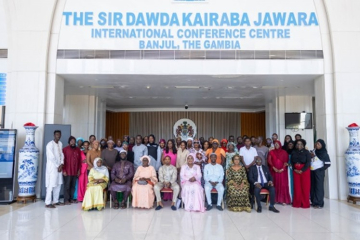
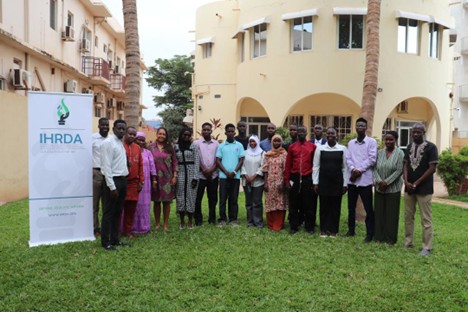
The meeting brought together IHRDA, GPU and journalism training institutions to examine existing approaches, identify gaps and explore opportunities for incorporating children's rights and ethical reporting into journalism curricula and professional training.
Speaking at the meeting, Maria Saine, Advocacy Officer at IHRDA, said the organisation had identified significant gaps in how journalists cover children's issues, making specialised knowledge and continuous capacity building necessary.
She said IHRDA and GPU had already trained journalists from across the country, including practitioners from community radio stations, on children's rights, legal frameworks, interviewing techniques and responsible reporting.
The training placed particular emphasis on the practical challenges journalists encounter when interviewing children, especially survivors of abuse and other vulnerable children.
Saine noted that community radio stations were particularly important because they provide platforms through which communities receive information and discuss issues affecting children. However, she said the training had revealed the need for more specialised and consistent reporting on children's rights across different media platforms.
She also highlighted the development of a Media Guide on Child Rights and Ethical Reporting, describing it as a practical resource to help journalists and journalism training institutions translate human rights principles into responsible reporting practices.
Knowing the legal provisions protecting children was not enough, she said, unless journalists understood how to apply those principles when gathering information, conducting interviews, writing stories and producing broadcasts.
The guide provides practical steps to ensure media coverage does not expose child victims to further harm, discrimination, stigma or psychological trauma. IHRDA intends to disseminate it nationwide, particularly to journalism training institutions.
Saine further disclosed that the project would provide opportunities for community radio stations and other media organisations to develop proposals for programmes dedicated to children's rights.
She said the initiative would enable media institutions that benefited from the training to put their knowledge into practice through radio programmes and discussions, with guidance and resources from IHRDA and GPU. The project will also recognise journalists who demonstrate good practices in reporting children's issues through an award ceremony targeting different media categories.
Reflecting on lessons from the project, Saine emphasised specialised knowledge, practical application and continuous professional development. She argued that one-off training sessions were insufficient, calling instead for sustained capacity building and the integration of child protection, privacy, data protection and ethical interviewing principles into different journalism courses.
The roundtable is expected to provide an opportunity for journalism training institutions to explain how children's rights are currently addressed in their curricula and identify areas requiring improvement. Saine said feedback from the institutions would help IHRDA and GPU develop approaches that respond to the realities facing journalism educators and media practitioners in The Gambia.