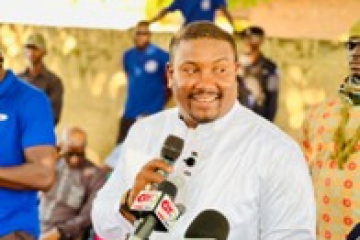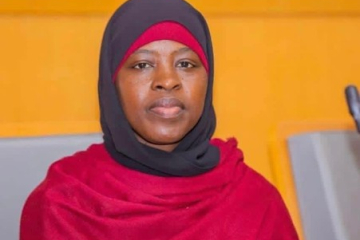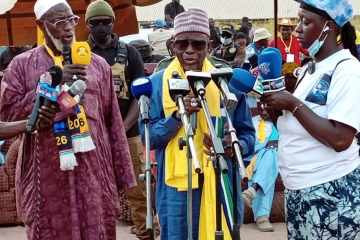
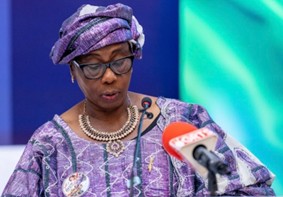
Presidential candidate Dr Isatou Touray has taken her campaign to the Upper River Region (URR), where residents of Nyamanarr and Bolibanna have raised concerns over poor roads, inadequate access to clean water, limited healthcare facilities and other development challenges affecting their communities.
The engagements form part of her nationwide campaign efforts to connect with voters, understand their concerns and present her development vision ahead of the December 5 presidential election.
In Nyamanarr, residents highlighted the poor road network, unreliable water supply and inadequate access to hospital services, appealing for urgent development interventions to improve their living conditions.
Responding to the concerns, Dr Touray pledged to prioritise development in the community and assured residents of her commitment to addressing the challenges raised.
At Bolibanna, a border village between The Gambia and Senegal, residents identified poor road infrastructure and inadequate mobile network coverage as major obstacles affecting communication and access to the internet.
They also raised concerns over the exchange rate between the Gambian Dalasi and the CFA franc, citing the economic difficulties associated with cross-border transactions and trading activities.
Other priorities identified by residents included access to clean drinking water, improved healthcare services, security and better roads.
Dr Touray listened to the concerns and reiterated her commitment to improving access to basic services and promoting community development. She also emphasised the importance of unity among villagers in pursuing their common development aspirations.
Some residents of Bolibanna expressed their intention to support her presidential bid following the engagement.
Her campaign in the Upper River Region also comes against the backdrop of broader questions surrounding women's participation and representation in Gambian politics, where presidential leadership has traditionally been dominated by men.
As a woman seeking the country's highest political office, Dr Touray faces the challenge of building a nationwide electoral constituency while navigating established political loyalties, public perceptions and gender-related stereotypes about women's capacity to lead.
Political observers often identify grassroots mobilisation, voter confidence and the ability to address local development priorities as important factors in determining electoral success. For Dr. Touray, engaging rural communities and responding to their immediate concerns could therefore be critical to strengthening her political appeal.
Her engagements in Nyamanarr and Bolibanna also highlight the development expectations facing presidential candidates, particularly in communities where inadequate infrastructure and limited access to essential services continue to affect livelihoods.
While some residents have expressed support for her candidacy, the extent to which the campaign engagements will translate into votes remains to be seen.
Dr Touray's continued campaign across the Upper River Region is part of her broader effort to reach voters and advance her presidential ambitions as the December 5 election approaches.