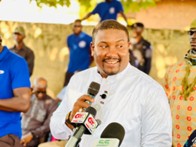
Presidential candidate Talib Ahmed Bensouda has questioned the reported D4.9 billion expenditure on government vehicles under President Adama Barrow, arguing that the money could have been invested in addressing the development challenges confronting communities across the country.
Bensouda made the remarks during his campaign tour of the Lower River Region, where he criticised the Barrow administration over what he described as misplaced spending priorities after 10 years in office.
He argued that while billions of dalasis were reportedly spent on government vehicles, rural communities continued to struggle with inadequate water supply, poor healthcare facilities, limited educational opportunities and unemployment.
According to Bensouda, the reported vehicle expenditure could have transformed communities in the Lower River Region if the resources had been directed towards essential services and infrastructure.
He also criticised government spending on salaries, allowances and per diems, promising to reduce excessive expenditure and redirect public resources towards improving people’s livelihoods.
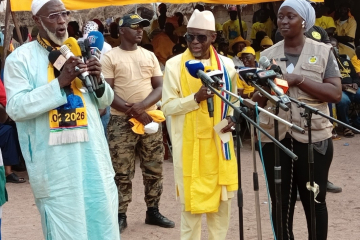
At Jarambeleh, Bensouda placed agriculture at the centre of his campaign message, saying farmers were tired of the difficulties confronting them. He proposed establishing an agricultural bank to improve farmers’ access to financing and support, stressing the need to strengthen local production and make The Gambia food self-sufficient.
At Sotokoi, he criticised President Barrow for allegedly failing to bring meaningful development to the community during his decade in office, arguing that road construction alone could not be considered sufficient development.
He maintained that good schools, hospitals and employment opportunities were equally important measures of good governance.
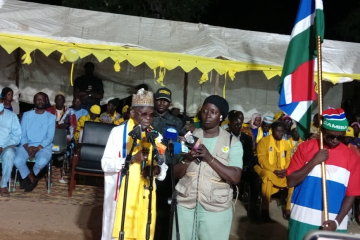
The concerns were also reflected in engagements at Soma, where Unite regional chairman Alagie Sillah highlighted electricity and water shortages. Chairwoman Aja Isatou Jallow appealed for greater support for women farmers, particularly in improving their agricultural activities.
At Kwinella, women representative Isatou Bah called for assistance to address persistent water shortages and the lack of processing machines for crops such as couscous and millet. She said many women depended on selling agricultural produce to support their families.
Bensouda said the challenges raised by residents were consistent with concerns he had encountered throughout his campaign, arguing that public spending should prioritize the needs of ordinary citizens.
He further criticised the country’s economic management, questioning how ordinary Gambians could adequately support their families with their current earnings. He pledged to improve workers’ welfare and create better economic opportunities.
On irregular migration, Bensouda argued that unemployment, poverty and poor governance were among the factors pushing young Gambians to undertake dangerous journeys abroad. He said addressing the underlying economic challenges was essential to creating opportunities for young people at home.
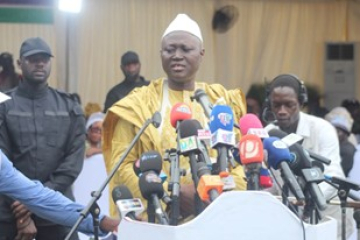
Meanwhile, Unite’s deputy party leader for Finance and Administration Yahya Menteng Sanyang urged residents of Kiang to support the coalition, saying young people in the area constituted a significant part of its support base.
He also highlighted the party’s plans for youth development and sport, urging residents to turn out in large numbers on December 5.
Bensouda expressed optimism about his electoral prospects in the Lower River Region, thanking residents for their reception and calling on them to support his proposed political and economic program.