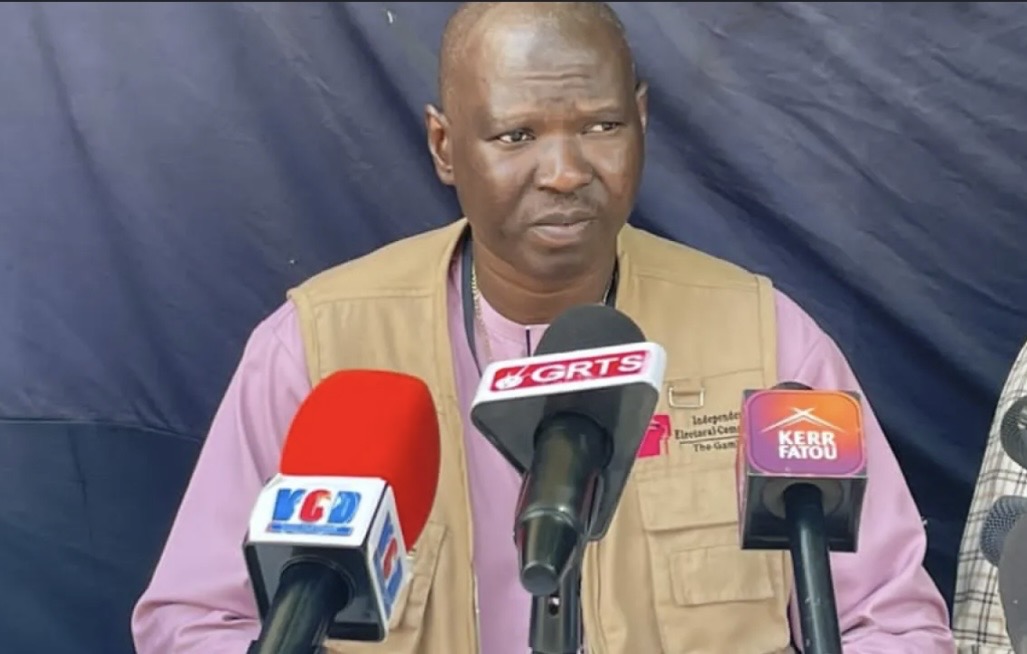
Mr. Colley said the commission is working to correct irregularities identified during the registration process, including duplicate entries, and emphasized that eligible voters will not be excluded from the final list.
“No, I don’t think anybody should lose confidence, because at the end of the revising court, we will give you a credible register,” Mr. Colley stated. “I can assure people that anybody who is registered and is supposed to be on that register is on the register; nobody is omitted or deleted who should have been on the register.”
He explained that names removed during the process belonged to individuals found to have registered more than once. The IEC had previously offered an amnesty to those involved in multiple registrations.
Mr. Colley also acknowledged a longstanding limitation of the voter roll: the register still contains names of people who have died since the 2021 election. Under the current legal framework, he noted, the commission has no provisions allowing it to remove deceased voters.
“All those people who died from 2021 to now, you cannot delete; their names are still on, but they cannot vote,” he said. “We will detect impersonation, and we will take you to court.”
He stressed that the presence of deceased voters’ names does not compromise the credibility of the process, as election officials have safeguards in place to prevent impersonation.
“We can never have a 100 percent register,” Mr. Colley remarked, underscoring the difficulty of maintaining a list that fully reflects deaths and other demographic changes.
The IEC is expected to finalize the voter register once the revising court completes its work, ahead of the 2026 presidential election.