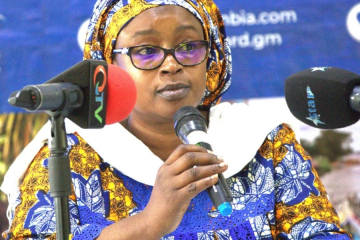
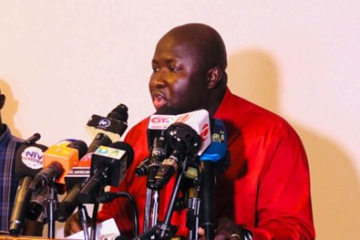
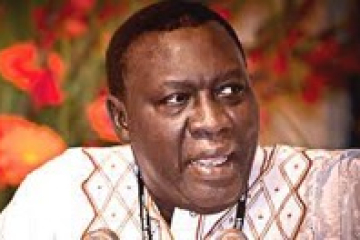
“Many of our religious leaders have no regular salaries. They are forced to work to support their families while also fulfilling their religious responsibilities,” Bah said. “The time has come for us to look back and see what we can do to make them financially independent at every level.”
The Role of Religious Leaders
Religious leaders in The Gambia are central figures in community life. Beyond leading prayers and sermons, they mediate disputes, provide counseling, and mobilize communities during times of crisis. Their influence extends into social and political spheres, making them indispensable to national cohesion.
Yet, despite their importance, many operate without financial stability. Unlike teachers, health workers, or civil servants, religious leaders often rely on voluntary contributions from congregations, which are inconsistent and insufficient.
International Comparisons
Minister Bah pointed out that in some countries, municipalities provide salaries to imams and other faith leaders, recognizing their service as a public good. He urged Gambian municipalities and institutions to consider similar measures, noting that financial support would not only ease the burden on religious leaders but also strengthen their ability to serve communities effectively.
A Call for Shared Responsibility
Bah’s remarks have come at a time when religious institutions are increasingly involved in national development efforts, from promoting peace to supporting education and health initiatives. He emphasised that ensuring the welfare of religious leaders should be seen as a collective responsibility.
“Religious leaders are the backbone of our communities. If we neglect their welfare, we risk weakening the very structures that hold our society together,” he said.
Looking ahead
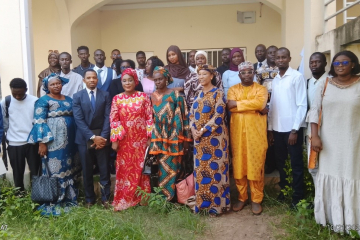
The seminar, which focused on anti-money laundering and counter-terrorism financing, also underscored the need for religious institutions to be financially transparent and accountable. Minister Bah’s call adds another dimension to the conversation: the need to balance accountability with adequate support.
Mam Cherno Jallow, Director General of GIABA, emphasised the role of religious leaders in promoting peaceful coexistence, stating that “the voice of religious leaders must be strongly heard against those ills ravaging our societies, especially violent extremism, terrorism, corruption, human trafficking, kidnapping”, and other predicate offenses.
As The Gambia continues to strengthen its democratic and social institutions, the question of how to sustain religious leadership financially is likely to remain a pressing issue.