The global trading system has delivered real, measurable gains for The Gambia and the Least Developed Country (LDC) Group — market access, export earnings, economic activity and jobs — but the benefits are uneven and much of their potential remains untapped.
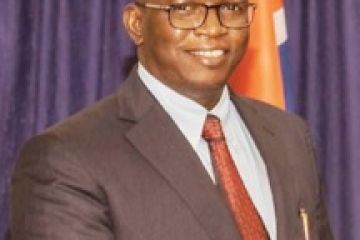
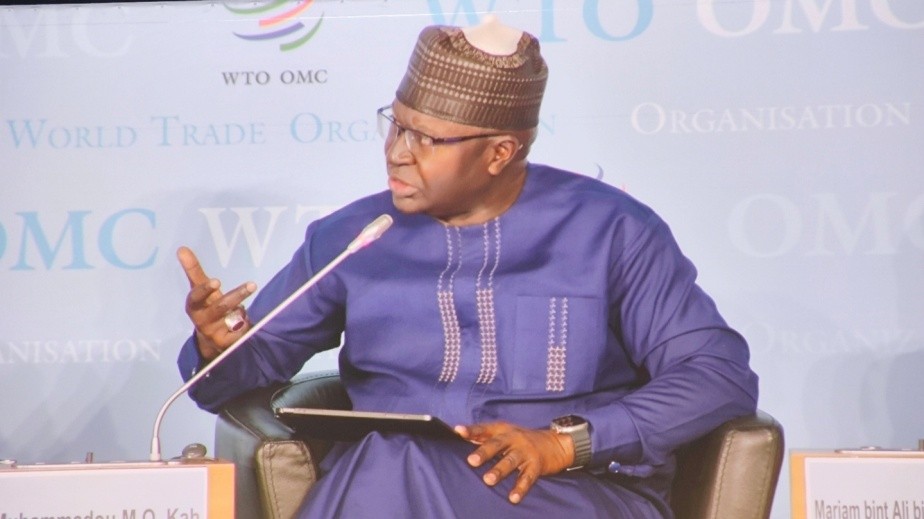
That was the message of His Excellency Professor Muhammadou M.O. Kah, Ambassador of The Gambia to Switzerland and Permanent Representative to the UN Office in Geneva, speaking on behalf of Trade Minister Mod Ceesay.
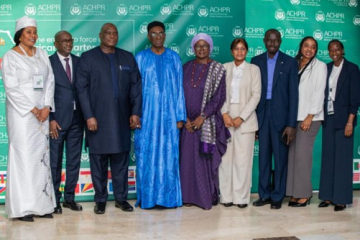
Ambassador Kah, who is also Permanent Representative to the WTO and Coordinator of the WTO LDC Group, spoke at the session “Delivering Trade Impact for LDCs: What Works, What’s Next,” organised with UN-OHRLLS and the Enhanced Integrated Framework (EIF) during the 10th Global Review of Aid for Trade in Geneva on 29 October 2026.
For The Gambia, he said, trade is a foreign-exchange lifeline: merchandise exports of about USD 407 million and commercial services exports of USD 479 million in 2025.
According to the WTO Secretariat’s latest Market Access report, tourism and travel alone accounted for 91.6 per cent of services exports in 2024.
“Hence our push for diversification and value addition at home,” Kah said. “Regional integration pays beyond goods: through the OMVG interconnection, The Gambia now draws lower-cost electricity from Guinea — the World Bank estimates savings of some 42 per cent for our utility, NAWEC, helping return it to profitability.”
Cheaper power is competitiveness, he noted.
For the LDC Group, merchandise exports rose from USD 184 billion in 2020 to USD 313 billion in 2025, while commercial services exports nearly doubled from USD 27.2 billion to USD 53.1 billion.
Combined exports reached USD 362.4 billion, growing 11.5 per cent a year, and the Group’s share of world exports edged up from 1.01 to 1.04 per cent.
What has worked, he said, is duty-free access — 100 per cent tariff-line coverage from Australia, New Zealand, Norway and Switzerland, and over 99 per cent from the EU and UK — combined with the EIF, trade facilitation support and regional integration.
What has not worked, he added, is that in 2025 primary products still accounted for 53 per cent of LDC merchandise exports; ten exporters accounted for 71 per cent; and the Group ran a trade deficit of USD 109.2 billion.
“That one per cent of world trade is participation — not yet transformation,” Kah said. “Market access opens the door; productive capacity, infrastructure, standards and competitiveness walk through it.”
That is why Aid for Trade is indispensable, he stressed, precisely now when bilateral ODA to LDCs fell 25.8 per cent in 2025 and the Doha target of doubling Aid for Trade by 2031 is at risk.
Kah outlined priorities: productive capacity, smart industrialisation and diversification. Most LDCs, including The Gambia, still depend on a narrow range of commodities. The Gambia’s GDP per capita is around USD 855, and manufacturing just 5 to 6 per cent of GDP.
“Priority: value addition in agro-processing and sustainable fisheries, value chains anchored in the AfCFTA, climate-resilient productive sectors, and green and digital industries,” he said.
He also called for effective market access and preserved flexibilities — better preference utilisation, action on non-tariff barriers, special and differential treatment, and smooth-transition support for graduating LDCs.
On services, digital and green trade, Kah noted LDCs hold just 0.16 per cent of global digitally deliverable services exports. He called for digital infrastructure, skills, regulatory capacity, technology transfer and fuller use of the LDC Services Waiver, with regional markets open to MSMEs and women- and youth-led enterprises.