The Gambia’s mangrove oyster industry is set to receive a major boost with the launch of a new depuration and processing facility under the FISH4ACP programme, an initiative aimed at strengthening the sustainability, productivity and economic potential of the country’s oyster value chain.
The facility is expected to improve oyster processing practices, promote value addition and create better economic opportunities for women and other actors involved in the sector.
The launch forms part of a three-day legacy event organised under the FISH4ACP programme in November 2026 to showcase achievements, share lessons and discuss strategies for sustaining the project’s interventions beyond its implementation period.
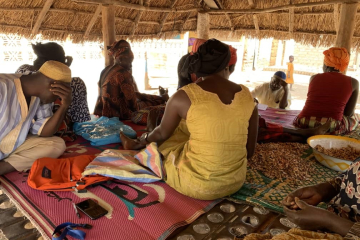
During the engagement, oyster women in Kartong expressed appreciation to the Food and Agriculture Organization of the United Nations (FAO) and the Ministry of Fisheries, Water Resources and National Assembly Matters for their support and the skills provided to strengthen their activities.
The women said the training and support they received had contributed to improving their knowledge and capacity in oyster harvesting and related activities, while expressing hope that the gains made through the project would continue beyond its closure.
The FISH4ACP programme is an initiative of the Organisation of African, Caribbean and Pacific States (OACPS), implemented by FAO and funded by the European Union (EU) and the German Federal Ministry for Economic Cooperation and Development (BMZ).
The programme focuses on improving the sustainability of fisheries and aquaculture value chains, with the broader objective of contributing to food security, economic prosperity and environmental sustainability.
In The Gambia, the programme has focused on the mangrove oyster value chain, which is among 12 value chains selected globally for support.
Over its five-year implementation period, FISH4ACP has worked with the Department of Fisheries, the TRY Oyster Women’s Association, oyster harvesters, government institutions, civil society organisations and private sector actors to strengthen the sector.
Its upgrading strategy is built around four key areas: improving oyster resource and mangrove ecosystem monitoring and management; introducing improved aquaculture methods; developing markets for oysters and their by-products; and improving working conditions and the enabling environment for value chain actors.
The programme’s long-term vision is to establish a vibrant and sustainable oyster sector by 2032, with value chain actors capable of withstanding potential shocks while generating better profits through increased production and improved value addition.
A major component of the legacy event is the official presentation of the depuration and processing facility to government representatives, donors, development partners and other stakeholders. The investment is expected to contribute to improved processing standards and strengthen opportunities for marketing Gambian oysters.
The second day of the event will focus on the Oyster Stakeholder Advisory Committee (OSAC), a multi-stakeholder platform established through the project to promote coordination, ownership and continuity of activities within the oyster value chain after the programme ends.
Stakeholders will discuss the committee’s future role in sustaining project achievements, while also reviewing a draft legacy report documenting the programme’s results and lessons.
The final day will feature a guided visit to the Kubuneh Aquaculture Farm, where participants will observe some of the community-level interventions supported by the programme.
As FISH4ACP approaches its closure in 2027, the legacy event is expected to provide an opportunity for stakeholders to identify practical recommendations for maintaining the progress achieved and strengthening partnerships within the sector.
The programme’s interventions have placed particular emphasis on women’s economic empowerment, sustainable oyster harvesting, improved market access and the protection of mangrove ecosystems that support oyster production.
The sustainability of these achievements will depend on continued collaboration among government institutions, development partners, community organisations and oyster value chain actors.
For the oyster women in Kartong and other communities, the hope is that the skills, facilities and opportunities created through the programme will provide a lasting foundation for a stronger and more sustainable oyster industry in The Gambia.