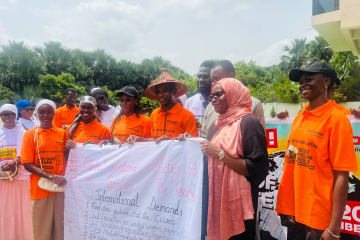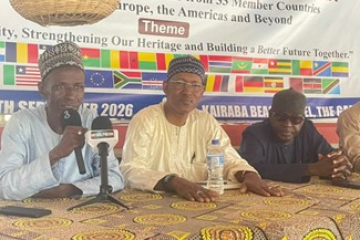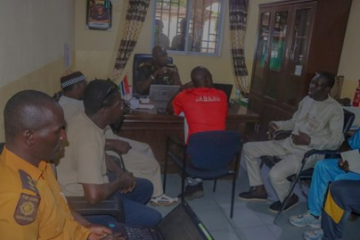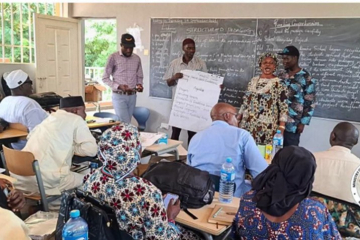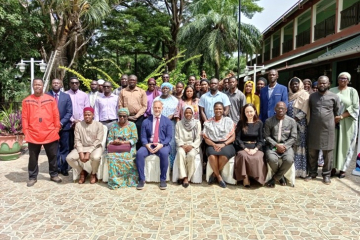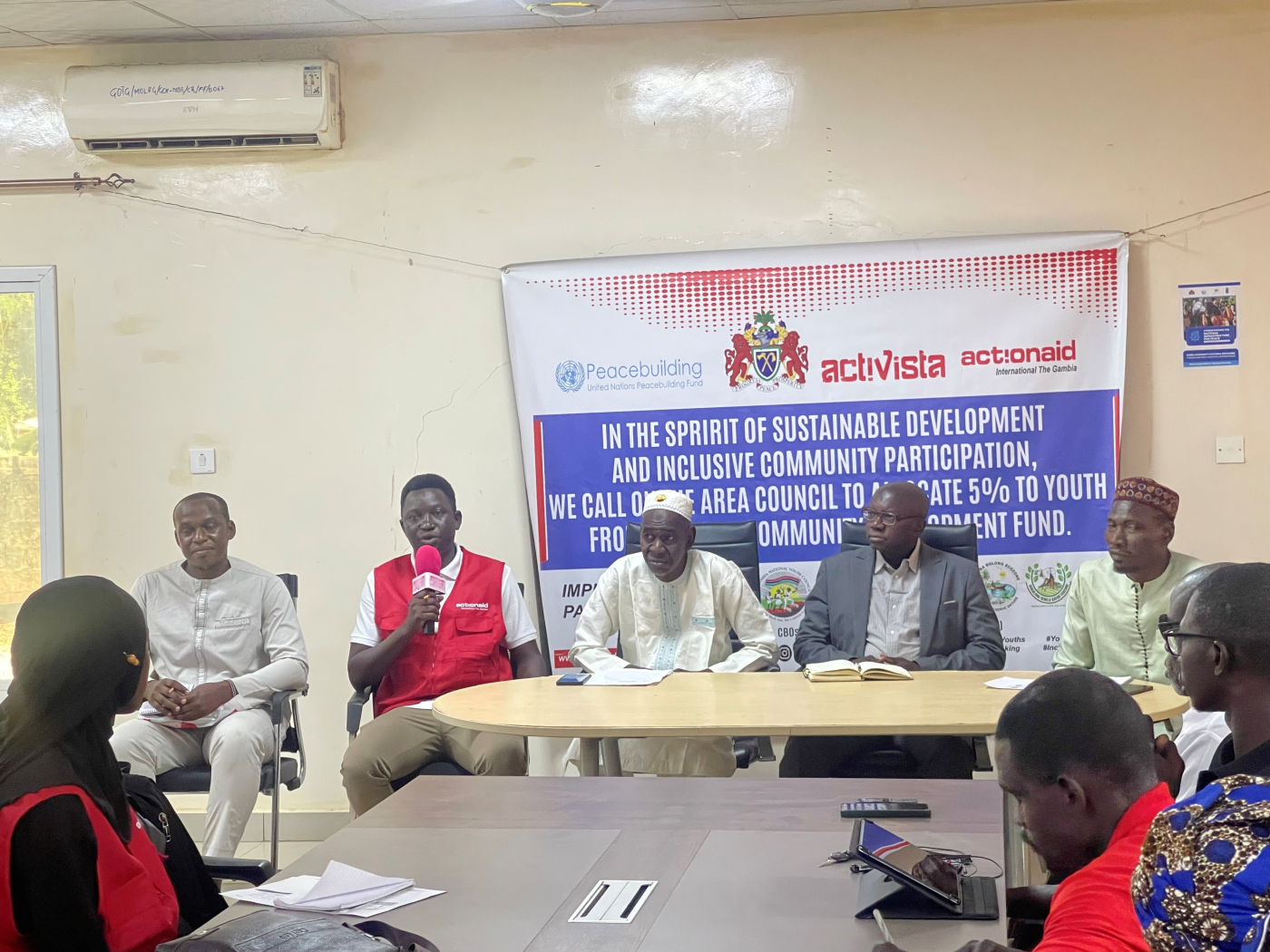
The dialogue, supported by ActionAid International The Gambia through the United Nations Peacebuilding Fund, brought together council officials, finance and planning authorities, youth representatives and community stakeholders to examine how development funds are allocated and who truly benefits.
Saikou Darboe, Programme Manager at ActionAid International, questioned how five percent could be secured for young people from the 60 percent of development allocations that go back to communities. He emphasised that youths make up between 60 and 65 percent of the population, warning that without their active participation, community projects risk failure.
“Without their involvement, there is a high tendency that most initiatives we implement will not be sustainable,” Darboe cautioned.
Lamin Saidykhan, Governor of the North Bank Region, explained that councils consist of elected representatives chosen by the people, while technical staff support implementation.
Development planning, he noted, begins at ward level through councillors and Village Development Committees (VDCs), where community action plans are supposed to capture the voices of women, youths, traditional leaders and other stakeholders.
However, officials admitted that many VDCs have not been fully functional since the 2002 Local Government Act. Some members have aged, others were never trained, and in many cases replacements were not made. As a result, key groups particularly youths, are often left behind in planning and implementation processes.
Council authorities clarified that although budgets are drafted locally, they are reviewed at ministerial level to ensure alignment with national systems. This has led to certain allocations being merged under broad categories such as community support. Yet following previous dialogues, budget lines are reportedly being restructured to clearly reflect allocations for youths, women and persons with disabilities.
Officials also outlined the financial realities facing councils, noting revenue shortfalls after the removal of certain taxes previously collected at local level. Funds are now generated from rates, business licences and market dues, while the 60 percent development budget remains subject to institutional negotiation. Government is expected to contribute 25 percent of the development budget.
Fatou S. Ndure, representing the Young Rural Women Foundation, stressed that young people were not gathered to protest but to engage in dialogue.
“The five percent is not a charity. It is better to allocate it now than wait for problems to occur and start looking for funds,” she argued.
Ndure added that young people should be prepared to respond to issues affecting them and help change negative narratives.