Young Gambians have been urged to harness access to information as a powerful tool for promoting accountability, combating misinformation and actively participating in national development.
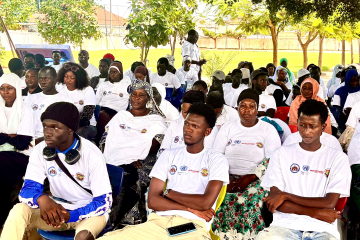
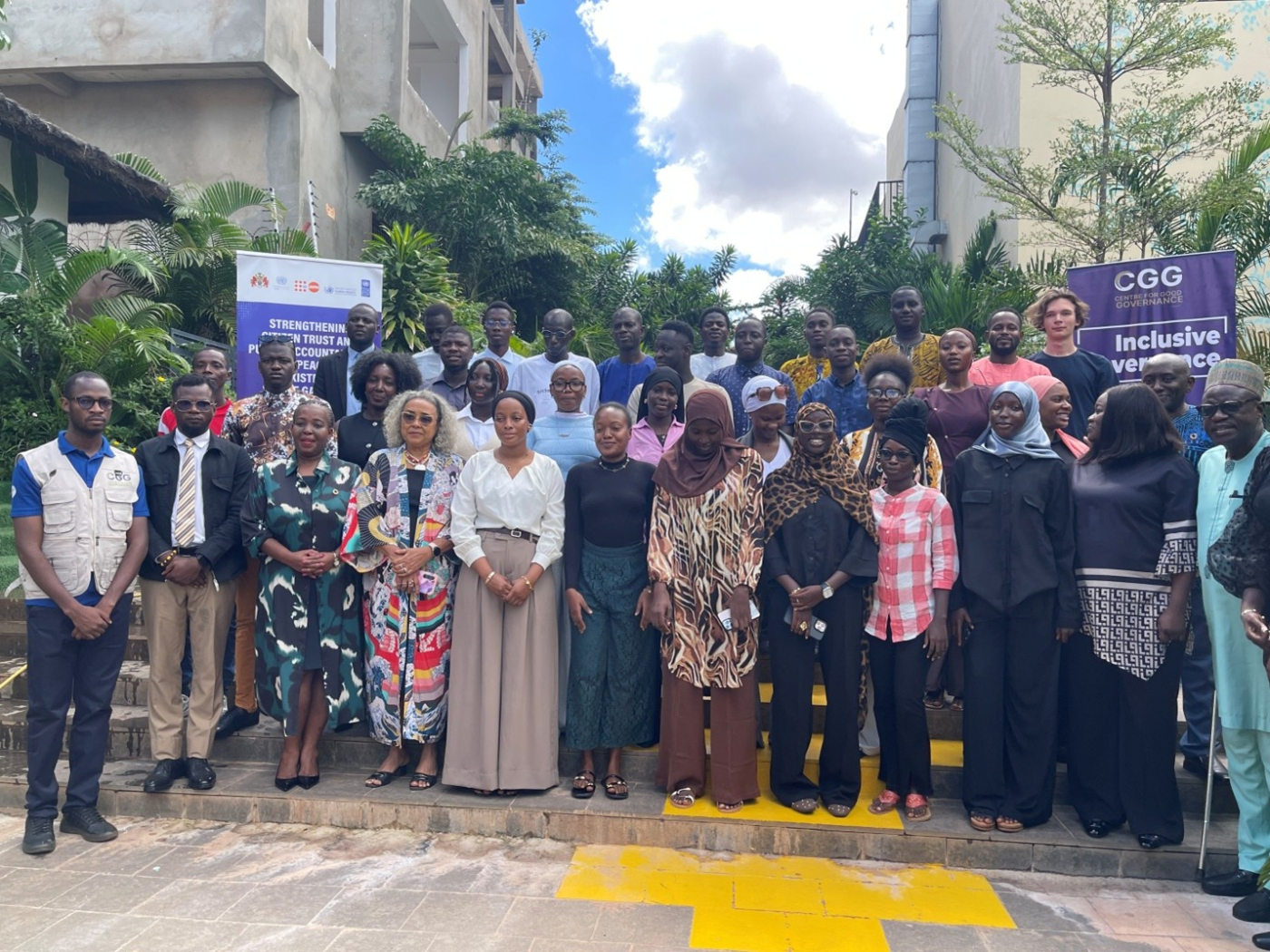
The call came during a two-day training programme for more than 30 members of the National Youth Parliament under the project titled “Strengthening Citizen Trust and Public Accountability for Peaceful Coexistence in The Gambia.”
The initiative is being implemented by the Centre for Good Governance (CGG) in partnership with UNDP The Gambia, UNFPA The Gambia and the Office of the United Nations High Commissioner for Human Rights (OHCHR), with support from the United Nations Development Fund.
Speaking at the opening ceremony, CGG Executive Director Alassan Sowe described access to information as a cornerstone of democratic governance and meaningful citizen participation.
“Access to information is not merely a legal concept; it is a fundamental democratic right,” he said.
According to Sowe, informed citizens are better positioned to make sound decisions, advocate for their interests, challenge misinformation and contribute to national development. He noted that while the Access to Information Act, 2021 marked a significant milestone, its effectiveness depends on citizens understanding and exercising their rights.
“Rights only become meaningful when citizens understand them, exercise them and use them to improve their communities,” he added.
UNDP Resident Representative Mandisa Mashologu highlighted the critical role of young people in shaping governance and representing the interests of their peers. She noted that more than 40 per cent of The Gambia's population falls within the 15 to 35 age bracket, underscoring the importance of meaningful youth participation.
Mashologu also encouraged participants to pay close attention to budget oversight and the allocation of public resources, especially as the country approaches elections.
National Youth Parliament Speaker Jabou Sissawo emphasised that reliable information is essential for effective civic participation.
“Without reliable information, meaningful participation is difficult,” she said, urging participants to share the knowledge gained with their constituencies, schools and youth networks.
Also speaking at the event, TANGO Chairperson Yadico Njie stressed the importance of access to information for civil society organisations engaged in evidence-based advocacy and oversight of public institutions.
He encouraged the youth parliamentarians to become champions of transparency, accountability and responsible citizenship within their communities, particularly ahead of the electoral period.
Representing the Information Commission Chairperson, Emilly Touray highlighted the close relationship between access to information and the protection of personal data and privacy.
He said the Commission would intensify efforts to popularise the Personal Data Protection and Privacy Act, noting that both legal instruments complement each other.
Touray further described access to information as a fundamental human right, stressing that democracy and good governance cannot thrive without it.