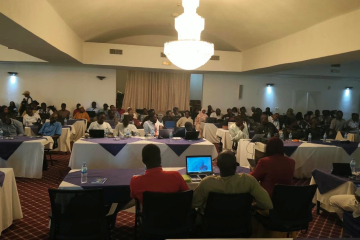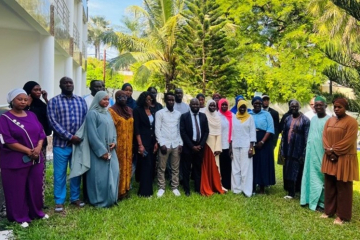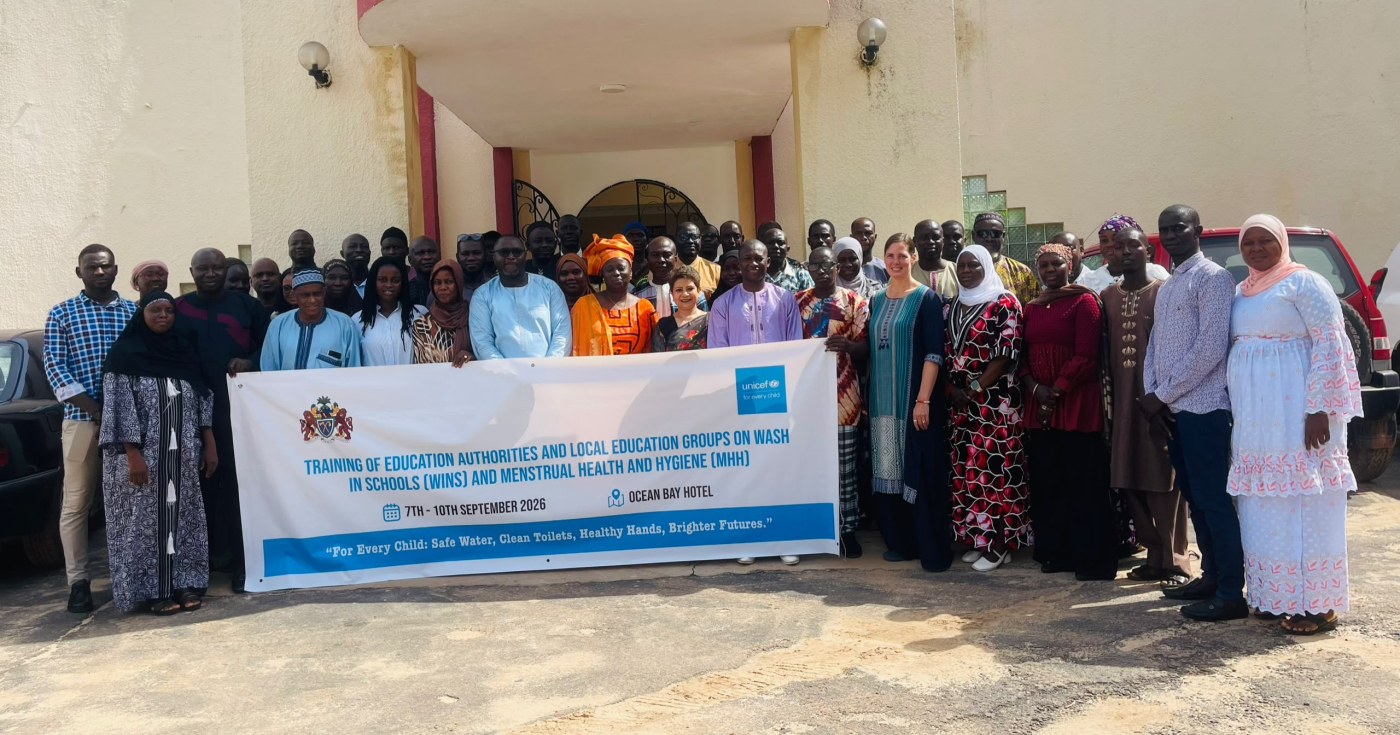
Organised with the Ministry of Basic and Secondary Education (MoBSE), the engagement at Ocean Bay Hotel in Bakau brought together development partners, civil society, youth groups, and academic institutions.
The mission runs until September 11 and aims to support the rollout of the National WASH in Schools Guidelines, strengthen monitoring and data systems, and open national consultations on menstrual health and hygiene.
Key objectives include building capacity of a core technical team on the National WinS Guidelines and the Three-Star Approach, reviewing current WASH indicators to align with national and global standards, and agreeing on priority actions for a two-year national roadmap on menstrual health and hygiene in schools.
Speaking at the opening, UNICEF Representative in The Gambia, Nafisa Binte Shafique, said the initiative is a major step towards creating Healthy, Safe and Inclusive Learning Environments.
“The Three-Star Approach is a practical framework that helps schools progressively improve WASH services through simple, achievable steps,” she said. “It ensures access to safe water, adequate sanitation, good hygiene, menstrual health support, and a clean, inclusive school environment.”
Ms Shafique noted that the initiative contributes directly to SDGs 3, 4, 5, 6 and 13, and aligns with The Gambia’s National Development Plan on human capital, social inclusion and climate resilience.
“A healthy school environment is fundamental to achieving quality education,” she said. “Children cannot learn effectively when they are sick, when water is unavailable, when toilets are unsafe, or when adolescent girls face barriers to managing menstruation with dignity.”
She added that the training will also strengthen the capacity of education authorities and the Local Education Group to champion climate-resilient schools.
Loui Moses Mendy, Permanent Secretary at MoBSE, said the ministry can no longer accept a situation where girls miss school because of menstruation.
“We cannot continue to accept that when nature calls on our colleague, they are conditioned to be away from learning institutions,” PS Mendy said. “Parents play a great role in the education of children, particularly the girl child.”
He highlighted challenges in some schools and called for segregated, accessible toilet facilities for girls. “It is an institution that promotes inclusivity and should cater for every learner, regardless of physical or social status,” he said. “We need toilets for the girl child at distances where they can be assisted with comfort and dignity.”
UNICEF reaffirmed its commitment to working with the Government of The Gambia and partners to ensure child-friendly, safe and inclusive learning environments.