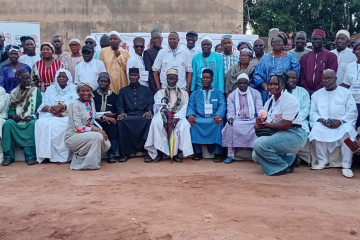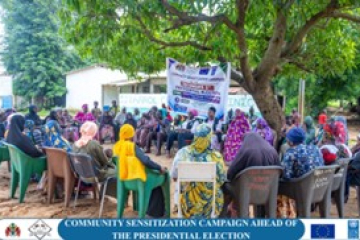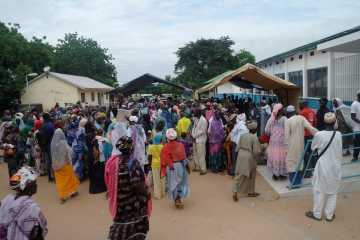
The inter-zonal meeting served as a platform for participants to share success stories, with many emphasising how Tostan’s intervention has helped communities end harmful practices such as open defecation and child marriage, while promoting democracy, human rights, and early maternal healthcare.
With 40 communities represented, the gathering at Sinchu Omar showcased the collective progress achieved through grassroots empowerment, education, and collaboration. The program is funded by UNFPA, through Child Fund.
Kadijatou Camara, the Community Management Committee (CMC) coordinator for Sinchu Omar, underscored the significance of Tostan’s intervention in her village. She explained that since the project’s introduction, residents have witnessed profound changes in health, education, and environmental practices.
“Pregnant women are now attending antenatal clinics within the first month of pregnancy, whereas before many waited until the eighth month,” Camara said. “Children who were previously out of school are now enrolled, and we have introduced tree-planting initiatives to ensure that whenever a tree is cut, it is replaced.” She further noted that open defecation has been eliminated in the village, a milestone in improving public health and sanitation.
Youth representative Abdoulie Sallah also praised the project’s impact, particularly on young people. He explained that the intervention has discouraged youth from embarking on the perilous journey to Europe through irregular migration, adding: “Thanks to Tostan, young people have abandoned the dangerous route to Europe and are now more focused on building their future within the community,” Sallah said.
Hamat Bah, speaking on behalf of the Chief of Sami District, underscored the significance of the project, stressing that its importance cannot be overstated. He noted that Tostan’sintervention has strengthened access to healthcare and encouraged community members, particularly women to visit clinics and seek medical attenti
Village Development Committee (VDC) chairman, SaidouJaw, highlighted how Tostan has strengthened unity and reinforced respect for human rights in the village, saying: “The project has ensured that pregnant women attend clinics, children acquire birth certificates, and fundamental human rights are respected. It has reduced conflicts and cemented the unity that already existed among us,” Jaw stated. “Tostan’s structures now complement our efforts, and we are working closely together for the benefit of the community.”
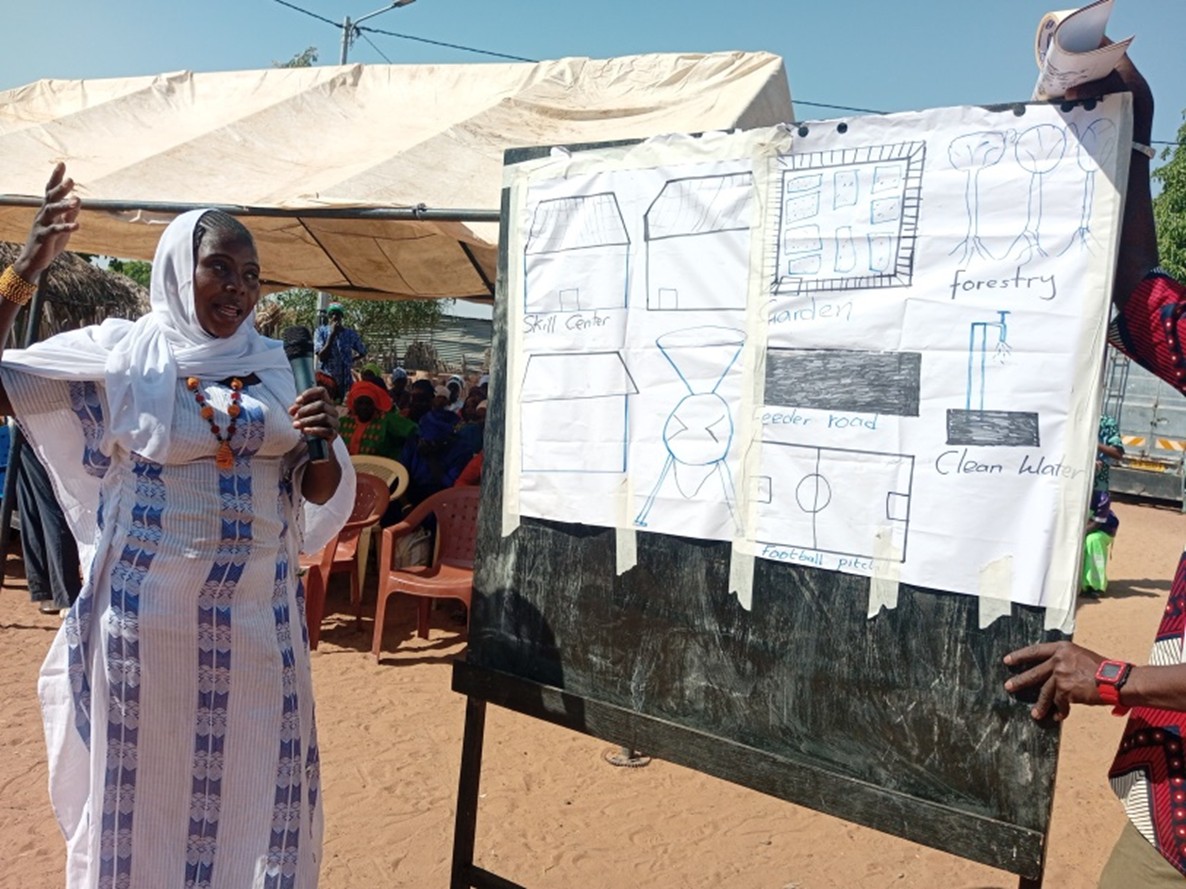
Ousai Jallow, a Tostan participant from Sinchu Omar, reflected on the village’s collective vision over the past decade. He spoke of aspirations that included establishing a community garden, securing clean and potable drinking water, and constructing reliable feeder roads to access rice fields and storage facilities, alongside other essential needs. These ambitions, he explained, demonstrate the community’s growing awareness and the depth of knowledge gained through Tostan’s interventions.
Kumba Kandeh highlighted the significance of the project in her community, noting its far‑reaching impact. “The project has provided us with microfinance support, enabling us to start and grow small businesses, which has been of immense benefit,” she explained. “Through this initiative, we were able to purchase a milling machine, greatly reducing the heavy labour that women in the area used to endure.” She urged the community to safeguard the sustainability of the project so that it continues to benefit future generations.
Fatima Bayo spoke about the consequences of child and forced marriage, highlighting the serious health risks it poses. She noted that such practices can lead to complications including fistula, excessive blood loss during labour, and other life‑threatening conditions.
Beyond the physical dangers, she warned that tragedy can occur when a woman is compelled to marry a man she does not love. Fatima called on the government to strengthen efforts in promoting the rights of women and children, while urging Tostan participants to apply the knowledge they have gained and continue sensitising their communities.
Edrisa Keita, National Coordinator for Tostan International the Gambia, reaffirmed the organisation’s continued commitment to driving transformation across its intervention villages, adding: “The testimonies highlighted by participants clearly indicate that the project is performing tremendously well in the communities where we are working,” Keita said. “I want to assure you all that we will continue to play our part to ensure we achieve our desired goals.”
He called on Community Management Committees (CMCs), Village Development Committees (VDCs), and other relevant authorities to collaborate in realising the vision outlined by the people of Sare Omar. Keita further emphasised the importance of involving young people in community activities to guarantee continuity and sustainability of the programme.
“I want the people of Central River Region (CRR) to maintain the CMCs in their respective villages so that whenever support is available, the coordinators can work closely with their communities,” he added.
Keita also highlighted the microfinance support provided by the project, urging communities to keep accurate records of their activities to ensure transparency and accountability. He stressed the need for funds to be used strictly for their intended purposes, reinforcing the project’s commitment to responsible financial management.
The Vice Chairman of the Kuntaur Area Council, Musa Bah, described Tostan’s arrival in The Gambia and its focus on the Upper and Central River Regions as a blessing for the communities. He urged residents of the Central River Region (CRR) to embrace the initiative, stressing that it is designed to foster the development of their villages.
“What Tostan is doing here is to complement our efforts,” Bah said. “We should have been the ones coming to sensitise you on issues affecting your communities. However, Tostan is doing it all,” he emphasised.