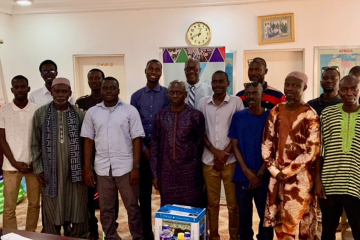
The session holding at the Senegambia Beach Hotel, also forms part of the Commission’s mandate to promote and protect human rights in The Gambia. The review report also critically examines the state of human rights in the country from 1 January to 31 December 2025, highlighting key developments, progress made, and challenges encountered.
The document addresses a broad range of human rights themes, including access to justice, the right to liberty and security, trafficking in persons, the rights of children, female genital mutilation (FGM), violations affecting women and girls, freedom of expression and media rights, business and human rights, as well as social, economic, cultural and environmental rights.
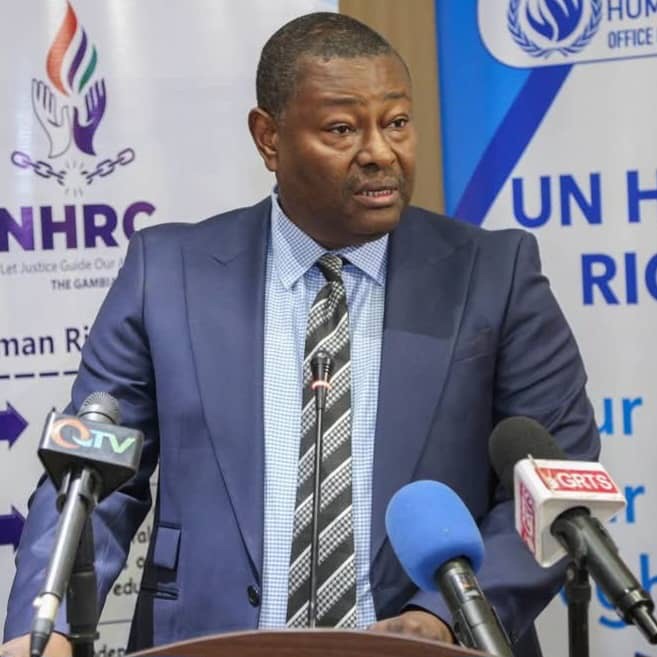
Speaking at the opening ceremony, Emmanuel D. Joof, chairperson of NHRC, emphasised the importance of collaboration in ensuring an accurate and credible report.
“We are really honoured to have representatives from development partners, civil society organizations, state institutions and the media present,” he said.
Joof explained that the preparation of the report is a statutory obligation under the NHRC Act, which he said, requires the Commission to submit an annual report to the National Assembly evaluating how human rights are observed in the country.
The report, he added, also highlights steps taken by the Commission to promote and protect human rights, including investigations, complaints handling and monitoring activities.
According to him, the validation process allows stakeholders including government institutions, civil society groups and development partners to review the draft report, provide corrections, and contribute additional information.
“No report of this nature can be truly comprehensive without the meaningful input of stakeholders who work daily on these issues,” Joof stated.
The NHRC chairperson maintained that protecting human rights is a shared responsibility, urging participants to actively engage in discussions to ensure the final report is factually accurate, balanced and reflective of realities on the ground before its submission to the National Assembly.