The Gambia established the Tobacco Industry Monitoring Team in 2019 as part of its broader tobacco control measures to counter industry interference tactics aimed at undermining the Tobacco Control Act. Since its inception, the team has been actively tracking and reporting activities such as misleading corporate social responsibility initiatives, illicit trade, and other strategies used by the tobacco industry to influence public policy.
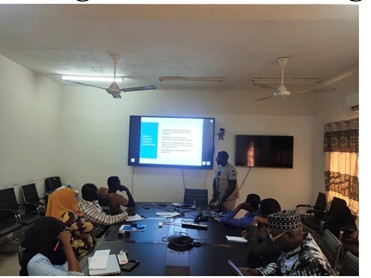
Participants were exposed to key aspects of tobacco industry monitoring, including the significance of such efforts, an overview of Article 5.3 of the World Health Organization’s Framework Convention on Tobacco Control (WHO FCTC), common industry interference tactics, and priority areas for monitoring within The Gambia.
Speaking at the opening ceremony, Omar Conteh, Head of the Tobacco Industry Monitoring Team and Programme Coordinator at RAID–The Gambia, noted that despite The Gambia’s obligations under the WHO FCTC, particularly Article 5.3, the tobacco industry continues to interfere in policy processes.
He explained that such interference often takes the form of lobbying, misleading economic narratives, and so-called corporate social responsibility activities, all aimed at weakening tobacco control measures.
“There is an irreconcilable conflict between the interests of the tobacco industry and public health policy,” Conteh said, adding that the industry promotes products proven to be addictive and responsible for disease, death, and significant social and economic harm, including increased poverty.
For this reason, he stressed that the tobacco industry should not be regarded as a legitimate partner in public health policy formulation.
Conteh also raised concerns over the aggressive promotion of so-called harm-reduction products such as electronic cigarettes, vapes, and shisha, warning that these products are designed to sustain nicotine addiction and attract new users, particularly young people.
He further cautioned that such narratives pose a serious threat to the integrity of The Gambia’s tobacco control laws. Although the country does not manufacture tobacco products, he noted, it remains a consumption market due to the presence of companies that import and distribute tobacco and nicotine products.
This reality, he emphasised, underscores the need for strong monitoring and regulation.
Conteh highlighted the progress The Gambia has made in tobacco control through the enactment of the Tobacco Control Act 2016, the Tobacco Control Regulations 2019, and improvements in tobacco taxation.
Senior Programme Officers at the Ministry of Health’s Non-Communicable Disease Unit, Lamarana Jallow and Sainabou Barra Cham, echoed similar concerns and reaffirmed the need and importance of sustained monitoring to protect public health policies from tobacco industry influence.