The call was made during a side event held on the margins of the 87th Ordinary Session of the African Commission on Human and Peoples’Rights (ACHPR), where participants warned that restrictive laws, stigma and weak healthcare systems continue to endanger the lives and dignity of women across the continent.
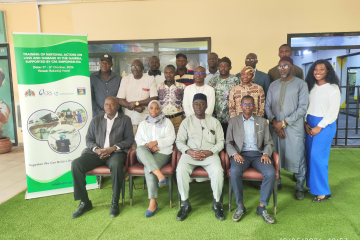
The event, titled “Centering Survivors: The Impact of Sexual Health and Reproductive Rights Restrictions in Eastern and Western Africa,” was organised by Equality Now and partners.
Discussions focused on the impact of restrictive sexual and reproductive health laws and the legal and systemic barriers affecting women and girls in Africa. Organisers said the gathering aimed to move beyond policy debates by placing survivors’ experiences at the centre of advocacy efforts.
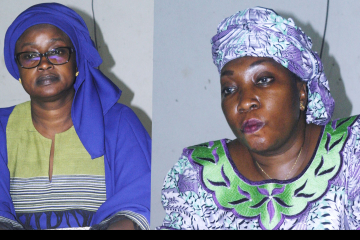
Survivors from Kenya, Benin and Rwanda shared testimonies of sexual and reproductive rights violations, highlighting the challenges many women face in accessing contraception, safe abortion services, post-rape care and reproductive health information.
According to organisers, many African countries continue to operate under conflicting legal systems where constitutional protections for women coexist with penal codes that criminalise access to reproductive healthcare services.
Participants referenced several regional and international frameworks, including the African Union’s Maputo Protocol, the Maputo Plan of Action and the Sustainable Development Goals (SDGs). Despite 46 African countries ratifying the Maputo Protocol, organisers noted that nine states still maintain reservations, with five specifically objecting to Article 14, which guarantees women’s reproductive rights.
Concerns were also raised over the lack of harmonisation between national laws and constitutional protections, leaving many women exposed to discrimination and limited healthcare access.
Addressing the gathering, Commissioner and Special Rapporteur on the Rights of Women in Africa Janet R. Sallah described the discussion as “very pertinent and important” and commended survivors for speaking openly about their experiences.
“One of the problems we have with our continent and this problem has been perpetuated is the silence,” she said. “You are very courageous.”
Sallah said the testimonies exposed “the painful distance between the rights we proclaim in the law and the realities women and girls continue to endure every day across our continent.”
She described the Maputo Protocol as “a historic turning point” in recognising women’s sexual and reproductive health rights, noting that Article 14 explicitly recognises reproductive rights and, under certain conditions, access to abortion as a human right.
Sallah further stressed that General Comment No. 2 on Article 14 obligates states to remove barriers preventing women and girls from accessing reproductive healthcare safely and with dignity.
While acknowledging progress in countries such as Benin and Rwanda, she said many African women still encounter healthcare systems marked by “humiliation, neglect, violence and exclusion.”
Calling for stronger accountability and legal reforms, Sallah urged governments to align domestic laws with Article 14 of the Maputo Protocol.
“Survivors are not passive beneficiaries of protection frameworks,” she said. “They are experts of lived experiences.”